Last updated 06.17.2026
My tooth stopped hurting. Is that a bad sign?
Learn why a toothache may suddenly disappear, when it's harmless and when it could signal a dead nerve or ongoing infection.

Yes — a toothache that suddenly stops is usually a warning sign, not good news. It most often means the nerve inside the tooth has died. The pain is gone, but the infection is still active and can spread to your jawbone, bloodstream, and surrounding teeth if left untreated.1
What matters most is what happened before the pain stopped. If the tooth was throbbing, highly sensitive or associated with swelling and then suddenly became painless, it is worth having your dental provider evaluate it — even if it feels fine now.
What you'll learn in this article
A toothache that suddenly stops can mean the nerve has died — not that the tooth has healed.
Minor issues like trapped food or temporary sensitivity may resolve on their own, but infection and nerve damage do not.
An abscess can drain and relieve pain, but the infection remains and still needs treatment.
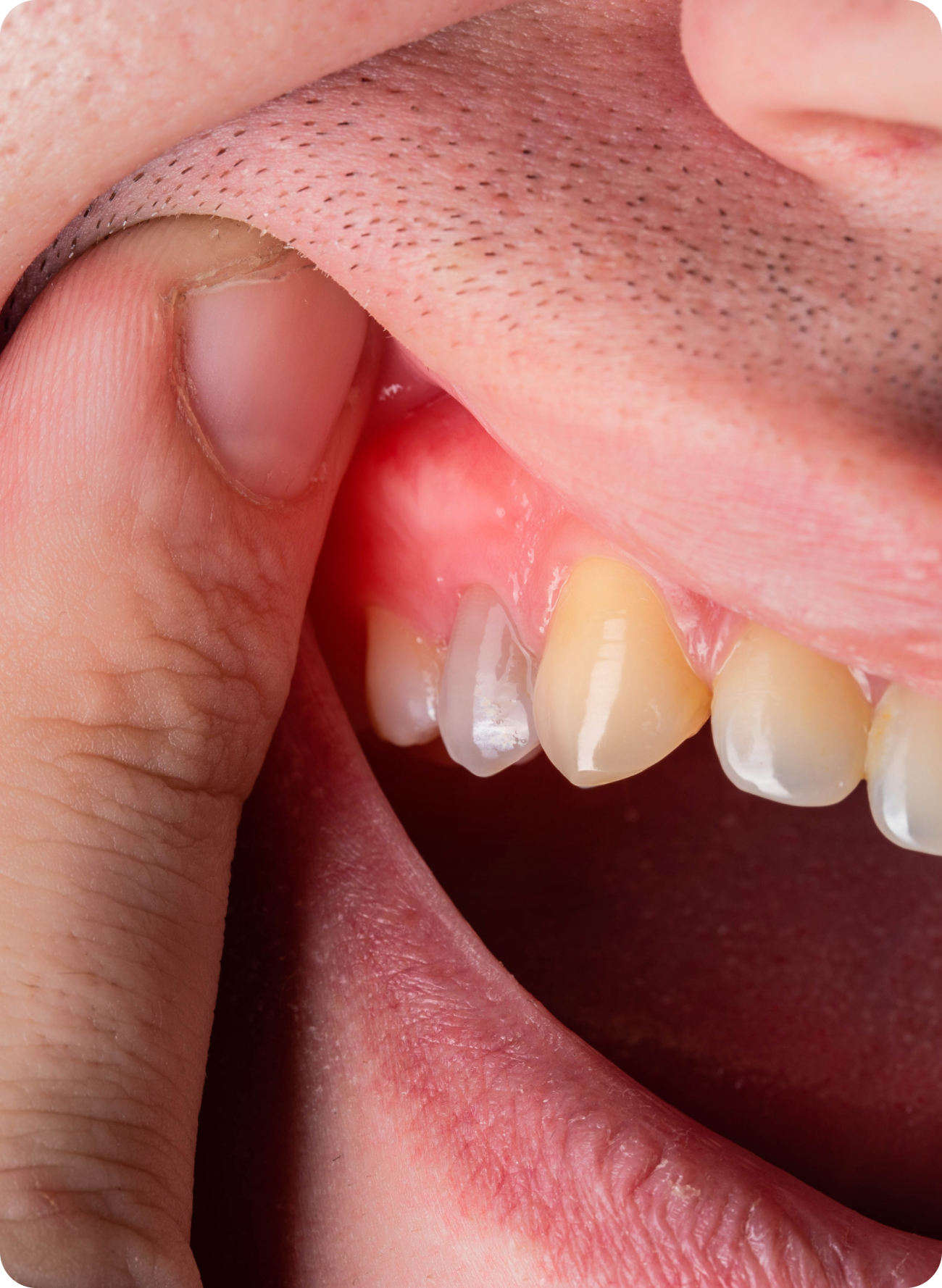
Swelling, a bad taste, a bump on the gum, or a darkening tooth can all signal an active infection even without pain.
If significant tooth pain disappears suddenly, schedule an evaluation within a few days.
Why would a toothache suddenly stop?
Not every disappearing toothache is bad news. Sometimes irritation settles down on its own. For example, mild gum inflammation can improve after better brushing and flossing. Temporary sensitivity from teeth whitening or grinding may also come and go.
The concern is when significant tooth pain disappears without any obvious reason. Teeth do not usually heal themselves once infection, deep decay or nerve damage is involved.
That is why context matters.
When it might not be serious
In some situations, discomfort fades because the underlying irritation has improved.
Examples include:
Food trapped between teeth that has been removed
Mild gum inflammation that has started healing
Temporary tooth sensitivity after whitening
Minor irritation from grinding or clenching
In these situations, the pain usually fades gradually and stays gone.
When tooth pain stopping isn't necessarily good news
If the pain was severe, throbbing or persistent, a sudden stop can sometimes indicate that the tooth has reached a more advanced stage of damage.
The nerve inside the tooth may have died
Every tooth has a soft inner tissue called the pulp — a bundle of nerves and blood vessels at the tooth's core. When deep decay, trauma or infection reaches the pulp, the nerve can become inflamed and painful. As damage progresses, the nerve may eventually die.
Ironically, when the nerve dies, the pain often stops.
The problem is that the infection or damage may still be present. The tooth simply loses its ability to send pain signals.
An abscess may have drained
A tooth abscess creates pressure inside the surrounding tissues. That pressure is often what causes the throbbing pain people associate with dental infections.
If the abscess ruptures and drains, the pressure can decrease quickly, bringing temporary relief.
Many patients notice:
A sudden reduction in pain
A bad taste in the mouth
Drainage of fluid or pus
A small pimple-like bump on the gum
The pain may improve, but the infection remains active and still requires treatment. According to the Cleveland Clinic, an untreated tooth abscess can spread infection to the jaw, neck, and other areas of the body — even after pain has resolved.2
What does a dead tooth look like?
A tooth with a dead nerve does not always cause symptoms. Possible signs include:
Gray, brown or dark discoloration
A tooth that appears darker than neighboring teeth
Previous trauma to the tooth
A history of severe pain that suddenly disappeared
Some patients are surprised to learn a tooth has died because the discomfort stopped weeks or months earlier.
Do I still need a root canal if the pain stopped?
Often, yes. When the nerve inside a tooth dies, the pain may go away, but the infection or damage remains.
A root canal removes the infected or dead tissue inside the tooth, cleans and seals the root canals, and helps prevent the infection from spreading. The tooth can then be restored and continue functioning normally.
The sooner the problem is treated, the more likely the tooth can be saved. Delaying care can allow the infection to spread into the surrounding bone, increasing the chance that the tooth will need to be extracted.
If your recommends a root canal after evaluating a tooth that no longer hurts, the recommendation is based on the condition of the tooth — not whether you are currently experiencing pain.
What if the pain stopped while I'm taking antibiotics?
Many people assume the infection is gone once the pain improves. Unfortunately, that is not always true. Antibiotics can reduce bacterial activity and help control symptoms, but they often cannot eliminate the source of a dental infection on their own.
The ADA recommends antibiotics as a supplement to — not a replacement for — dental treatment such as drainage or root canal therapy.3
If your dental provider prescribed antibiotics:
Continue taking them exactly as directed
Finish the full course unless instructed otherwise
Keep any scheduled follow-up appointment
Stopping treatment because the pain improved can allow the infection to return.
How long can I wait if the tooth feels fine now?
If you had significant tooth pain that suddenly disappeared, it is best to schedule an evaluation within the next few days. You do not need to panic or rush to the emergency room simply because the pain has stopped.
However, waiting weeks or months can allow hidden problems to worsen. A cavity can grow larger, an infection can spread or a tooth that might have been saved may become more difficult to treat. The earlier the cause is identified, the more treatment options are typically available.
When should I seek care right away?
Contact your dental provider promptly if you have:
Facial swelling
A swollen gum near the tooth
Fever
A bad taste or drainage in your mouth
Difficulty chewing
A darkening tooth
A history of severe pain that suddenly stopped
These symptoms suggest the tooth may still require treatment even if it no longer hurts.
If you have difficulty swallowing, difficulty breathing or swelling spreading into the jaw or neck, seek emergency medical care immediately.
What will my dental provider look for?
Your dental provider will examine the tooth and take X-rays if needed to determine why the pain stopped. Depending on the cause, treatment may involve:
Treatment for an abscess
Extraction if the tooth cannot be saved
The goal is not just to treat pain but to address the source of the problem.
What to do next
A toothache that disappears can feel like a relief — and sometimes it is. But when significant pain stops suddenly, the most important thing you can do is find out why.
Your dental provider can examine the tooth, take X-rays if needed, and tell you exactly what is happening beneath the surface. The earlier the cause is identified, the more options are available — and the better the chance of saving the tooth. Schedule an appointment with your dental provider today.
My tooth stopped hurting. Is that a bad sign FAQs
Can a tooth infection spread even if I feel no pain?
Yes. Once the nerve dies, the tooth can no longer signal pain — but bacteria can continue spreading to the surrounding bone, neighboring teeth, and in rare cases, the bloodstream. This is why a painless tooth still requires evaluation.
How long does it take for a tooth nerve to die?
There is no fixed timeline. Nerve death can occur over days, weeks, or months depending on the severity of the infection or trauma. Some patients notice pain fading gradually; others experience a sudden stop. Either pattern warrants an evaluation.
Why is there a bump on my gum but no tooth pain?
A pimple-like bump on the gum can be a sign that an abscess has drained. The pressure may be reduced, but the infection can still be present.
Can a cracked tooth stop hurting?
Yes. Cracked teeth often cause intermittent symptoms. Pain may come and go depending on how the tooth is biting, chewing forces and the location of the crack.
What happens if I ignore a tooth that stopped hurting?
Without treatment, the infection can spread to the jawbone, surrounding teeth, and soft tissue. A tooth that might have been saved with a root canal may eventually require extraction. In rare cases, untreated dental infections can become medically serious.
Sources
1American Dental Association. Dental Emergencies. MouthHealthy. https://www.mouthhealthy.org/all-topics-a-z/dental-emergencies.
2Cleveland Clinic. Toothache: Symptoms, Causes & Remedies. Cleveland Clinic. https://my.clevelandclinic.org/health/diseases/10957-toothache.
3American Dental Association. Antibiotics for Dental Pain and Swelling. American Dental Association. https://www.ada.org/resources/research/science/evidence-based-dental-research/antibiotics-for-dental-pain-and-swelling.