Last updated 07.09.2026
Why does my tooth make a crunching sound when I chew but not hurt?
Learn the common causes of a crunching tooth, including cracks, worn dental work and bite changes, and when it should be evaluated.

If your tooth makes a crunching sound when you chew but does not hurt, the cause is often something trapped between the teeth, a small crack, worn dental work or changes in the way your teeth fit together. Even without soreness, a crunching sound can sometimes be an early sign that a tooth needs attention. Understanding what causes the sound can help you decide whether it is something simple or something that should be evaluated.
What you'll learn in this article:
A crunching sound is not always an emergency, but it is usually not something teeth should do regularly.
Food trapped between teeth can sometimes create a crunching or crackling sound even when the tooth itself is healthy.
Small tooth cracks often make noise before they cause sensitivity or other symptoms.
Old fillings, crowns, or dental work can loosen over time and create unusual sounds while chewing.
A tooth that makes noise but does not hurt today may still develop bigger problems if the cause is left untreated.
Certain warning signs can help you know when to schedule an appointment with your dental provider.
If the sound keeps happening, do not assume it is harmless. Schedule an appointment with a dental provider to find out whether the tooth is cracked, damaged or simply trapping food.
Why would a tooth make a crunching sound when chewing?
A crunching sound usually happens when something moves, shifts or rubs together during chewing. The sound may come from:
A small crack in a tooth
Food trapped between teeth
A loose filling or crown
Worn enamel
Changes in your bite
In many cases, the tooth may not hurt because the deeper layers of the tooth have not been affected.
What are the most common causes?
Several different issues can create a crunching sound. Understanding the possibilities can help explain what may be happening inside your mouth.
Can the crunching sound come from the jaw joint?
It can. The temporomandibular joint (TMJ) connects your jaw to your skull and allows it to open, close and shift while chewing. When this joint becomes inflamed or misaligned — a condition known as TMJ disorder or TMD — it can produce clicking, popping or crunching sounds.
Unlike a cracked tooth, TMJ sounds often happen when the jaw opens or closes — not just when biting on food. Other signs of TMD can include jaw stiffness, difficulty chewing or a feeling that the jaw catches or locks.
If the sound seems to come from in front of your ear rather than from a specific tooth, the jaw joint may be the source.
Could food stuck between my teeth cause a crunching sound?
Sure. Seeds, popcorn hulls, nuts and other hard food particles can become trapped between teeth. As you chew, the food may crack or grind against the tooth surface. The sound often goes away after flossing or brushing.
Can a cracked tooth make a crunching noise?
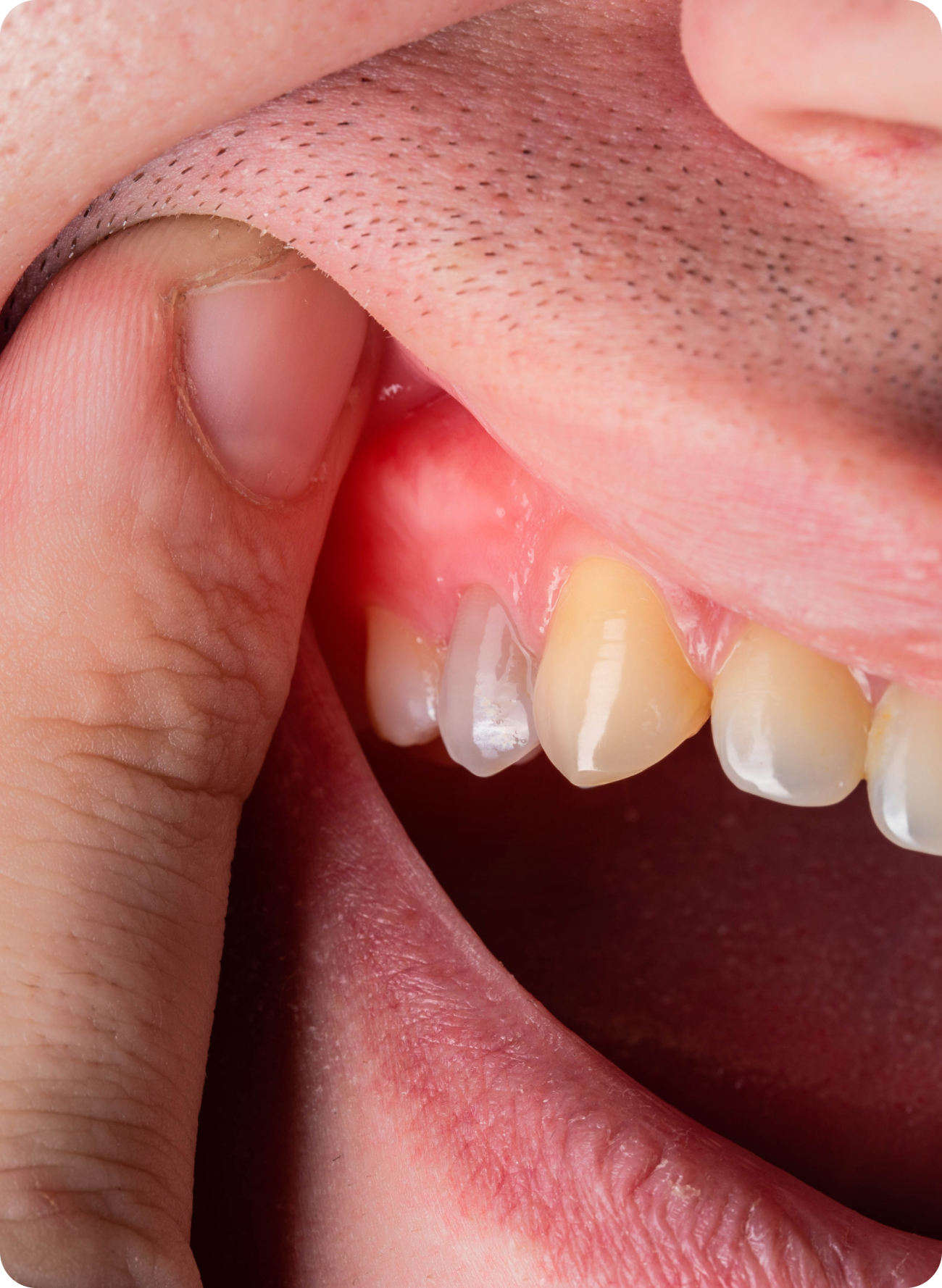
Yes. Small cracks, sometimes called cracked tooth syndrome, can create a crunching, clicking or crackling sound when pressure is placed on the tooth. A cracked tooth does not always cause symptoms right away. In some cases, the sound appears long before sensitivity develops.
According to the American Association of Endodontists, cracks can become larger over time if they are not treated.1 Cracked teeth are also among the leading causes of tooth loss in adults, making early detection one of the most important steps in preserving the tooth.
Could a filling or crown be causing the sound?
It can. Fillings and crowns can wear down, loosen or develop small gaps as they age.
You may notice:
A crunching sound
A clicking feeling
Food getting trapped more often
Changes when biting down
Even if there is no soreness, the restoration should be checked if the sound continues.
Can teeth grinding wear down enamel?
People who clench or grind their teeth often wear down the outer layer of the tooth over time. This wear can change how teeth fit together and may create unusual sounds during chewing. According to the Mayo Clinic, bruxism affects an estimated 8 to 10 percent of adults, and many people are unaware they clench or grind during sleep.³
Can changes in how teeth fit together cause a crunching sound?
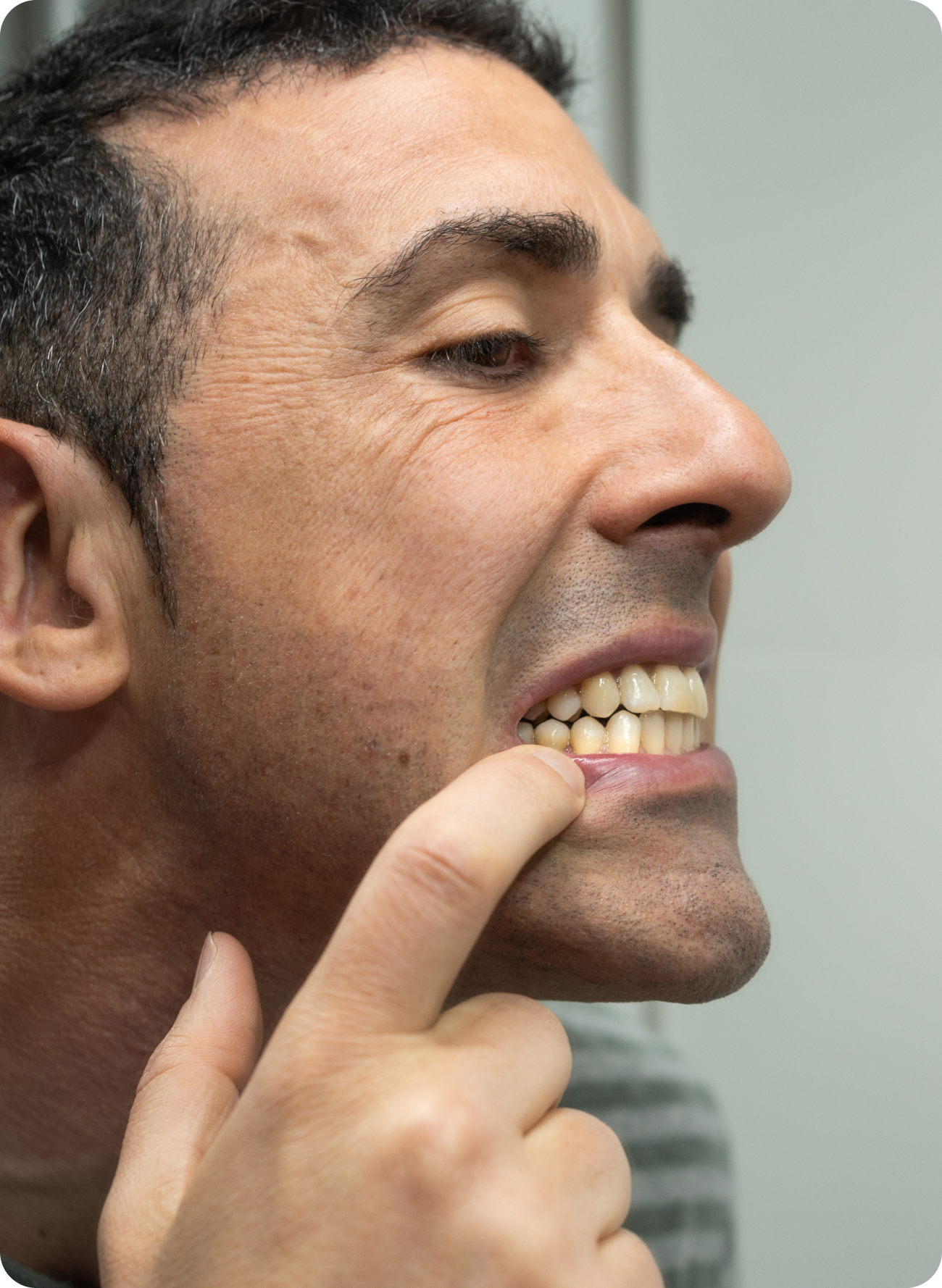
Absolutely. When teeth no longer come together evenly — due to grinding, a shifting tooth or worn dental work — the uneven contact can create unusual sounds during chewing. A bite that feels slightly off, or a tooth that feels higher than the others when you bite down, may be part of the cause.
Your dental provider can check your bite alignment and recommend adjustments if needed.
How can I figure out where the sound is coming from?
A few questions can help you narrow down the likely cause before your appointment.
Does the sound happen when your jaw opens and closes, or specifically when biting on food? Sounds that happen with jaw movement may point to the jaw joint rather than a tooth.
Does the affected tooth have an old filling, crown or other dental work? Existing restorations are a common source of crunching sounds as they age.
Do you often wake up with a tight jaw or sore teeth? This may suggest teeth grinding, which can wear down enamel and change how teeth fit together.
Your dental provider will ask similar questions during your exam. Thinking through these ahead of time can help describe your symptoms more clearly.
Why doesn't the tooth hurt?
Many people assume a tooth problem must cause soreness. That is not always true. The outer layers of a tooth can develop cracks, wear or damage before the nerve inside the tooth becomes affected. That is why a crunching sound can sometimes be the first sign that something is changing.
How do I know if the sound is serious?
Some causes are minor. Others should be evaluated before they become larger problems.
What symptoms should not be ignored?
Schedule an appointment with your dental provider if you notice:
The sound keeps happening
A visible crack
A loose filling or crown
New sensitivity to hot, cold or sweets
A tooth that feels different when biting
Pieces breaking off the tooth
These signs may mean the tooth needs treatment.
What will your dental provider look for?
Your dental provider will examine the tooth and the surrounding area closely. They will look for visible cracks, worn enamel and signs that a filling or crown may have shifted. They will also check whether your bite has changed and whether food is becoming trapped in any specific areas.
In many cases, dental X-rays help identify cracks or structural problems that are not visible during a visual exam. If the sound appears to come from the jaw joint rather than the tooth, your provider may also ask questions about jaw movement and any tightness or stiffness you have noticed.
Most crunching sounds have a clear cause once the tooth is examined. The goal of the appointment is to find it before it becomes a larger problem.
What treatments may help?
Treatment depends on the cause. Possible options include:
Replacing a worn filling
Repairing a cracked tooth
Adjusting a crown
Smoothing a bite problem
Recommending a night guard for grinding
The American Dental Association notes that crowns may be used to protect a weak tooth from breaking or restore one that is already broken.2 The earlier the cause is found, the more treatment options are usually available.
What to do next
A tooth that makes a crunching sound when you chew but does not hurt is often caused by trapped food, a small crack, worn dental work or changes in your bite. While the sound may seem harmless, it is not something to ignore if it keeps happening.
If the sound is becoming more noticeable or keeps returning, visit an Aspen Dental office near you. Your dental provider can determine what is causing the sound and recommend the right treatment before the problem gets worse.
My tooth makes a 'crunching' sound when I chew but doesn't hurt FAQs
Is it normal for a tooth to make noise when chewing?
An occasional sound from trapped food may not be concerning. A tooth that repeatedly crunches, clicks or crackles should be evaluated.
Can a cracked tooth heal on its own?
No. Unlike a broken bone, a cracked tooth cannot repair itself. Small cracks often become larger over time.
Why does the sound happen only with certain foods?
Hard, crunchy or sticky foods place more pressure on teeth and dental work. This can make existing problems easier to notice.
Could a crunching sound mean I need a root canal?
Not necessarily. A crunching sound by itself — especially without soreness — does not usually mean you need a root canal. Many common causes, such as a small crack, a loose filling or a bite problem, can often be treated with less extensive care. Your dental provider can examine the tooth and recommend the right treatment based on the cause.
Should I stop chewing on that side of my mouth?
If the sound is new or becoming more noticeable, chewing on the opposite side may help reduce stress on the tooth until it can be evaluated.
Sources
1American Association of Endodontists – Cracked Teeth: https://www.aae.org/patients/dental-symptoms/cracked-teeth/
2American Dental Association MouthHealthy – Crowns: https://www.mouthhealthy.org/all-topics-a-z/crowns
3Mayo Clinic – Bruxism (Teeth Grinding): https://www.mayoclinic.org/diseases-conditions/bruxism/symptoms-causes/syc-20356095