Last updated 07.13.2026
Can a tooth infection cause heart palpitations, chills or other body symptoms?
A tooth infection can sometimes cause chills, fever, fatigue and a racing heart when the infection spreads beyond the tooth and affects the body.

Yes, a tooth infection can cause heart palpitations, chills, fever, fatigue and other body symptoms. This happens when bacteria from an untreated dental abscess spread beyond the tooth and enter your bloodstream. If you are noticing symptoms throughout your body alongside swelling or soreness near a tooth, your body may be signaling something serious.
What you'll learn in this article:
A tooth infection can cause heart palpitations, chills, fever and fatigue if the infection begins to spread beyond the tooth.
A racing heart with tooth pain is often your body's response to infection, not just anxiety or stress.
Swelling that spreads to your jaw or neck, or trouble breathing or swallowing, means you should go to the ER right away.
Even if tooth pain suddenly goes away, the infection may still be spreading and needs prompt treatment.
If you have tooth pain alongside a racing heart, chills or fever, do not wait for your next routine visit — schedule an appointment with your dental provider as soon as possible, or go to the emergency room if symptoms are severe or worsening quickly.
Why does a tooth infection affect the rest of your body?
Understanding how this happens can help you recognize when a tooth infection is becoming more serious.
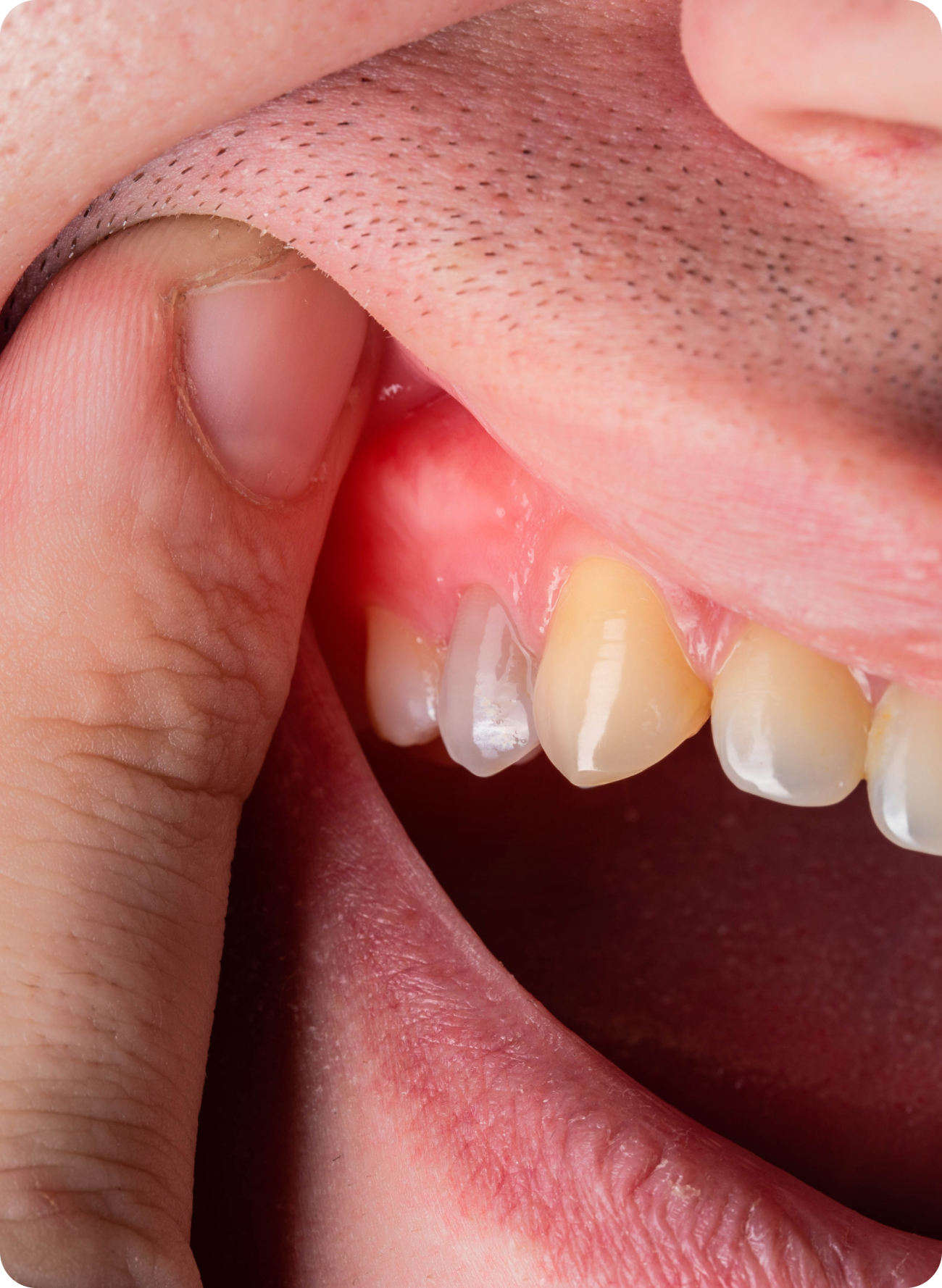
A tooth abscess is a pocket of infection that forms around a tooth or in the surrounding gum. Without treatment, the infection does not always stay in one place. Dental problems lead to more than 2 million emergency room visits in the United States each year, according to research published in the Journal of Public Health.1
As the infection grows, bacteria can spread into nearby tissue and, in some cases, enter the bloodstream. When that happens, your immune system reacts throughout the body. That's why a tooth infection can sometimes cause symptoms such as fever, chills, fatigue and a racing heart — not just soreness in your mouth.2
Why does a tooth infection cause heart palpitations?
Palpitations — the feeling that your heart is racing, fluttering or pounding — can occur for three separate reasons when a tooth infection is spreading.
Your immune system speeds your heart up
When your body detects bacteria in the bloodstream, it releases inflammatory chemicals designed to fight the infection. One effect of this response is a faster heart rate. Your heart is not malfunctioning. It is reacting to a threat. But if you do not know your tooth is the source, the racing sensation can feel frightening and unexplained.
Fever pushes your heart rate higher
Infections frequently cause fever. For roughly every degree your body temperature rises above normal, your heart rate increases by around 8–10 beats per minute. A fever of 102°F can push your resting heart rate well above 100 beats per minute — which creates the pounding or racing sensation many people describe.
In rare cases, bacteria can affect the heart directly
Oral bacteria that enter the bloodstream can, in some cases, travel to the heart and infect its inner lining — a serious condition called infective endocarditis. One strain called Streptococcus viridans, commonly found in the mouth, is one of the leading causes of infective endocarditis, according to the American Heart Association.3 While uncommon, this is one reason why palpitations alongside fever, facial swelling and chills should be evaluated without delay.
What other body symptoms can a tooth infection cause?
When a dental infection begins to spread, symptoms often appear across several body systems at the same time. Watch for:
Chills and shivering — often paired with fever, a sign your immune system is responding to bacteria in the blood
Extreme fatigue — a sudden drop in energy that feels out of proportion to the dental issue
Headaches — caused by systemic inflammation and the body's stress response to infection
Dizziness — can result from fever, dehydration or changes in blood pressure during infection
Swollen or tender lymph nodes — particularly under the jaw or in the neck, where they work to filter bacteria
Shortness of breath — a more serious warning sign that the infection may be escalating rapidly
Nausea or stomach discomfort — less common, but possible during significant systemic infection
One important note: If your tooth soreness suddenly eases, do not assume the infection has cleared. An abscess can rupture on its own, temporarily reducing pressure. The bacteria remain, and without treatment, the infection will continue to spread.
Which symptoms mean you need the emergency room right now?
Some combinations of symptoms require an emergency room visit — not a dental appointment. Go to the ER immediately if you have any of the following:
A fever above 103°F that is not improving
Difficulty swallowing or breathing
Swelling spreading toward your neck or the floor of your mouth
Confusion or trouble staying alert
A racing heart rate alongside fever and chills at the same time
Inability to fully open your mouth
These signs suggest the infection may have progressed to a level that requires immediate medical intervention. Do not wait to see if it improves on its own.
When to see your dental provider
If your symptoms are not at the emergency level described above but you have noticeable swelling, chills, fatigue or an unusual heartbeat alongside tooth soreness, do not wait. A spreading infection does not slow down without treatment.
Your dental provider can examine the affected tooth, determine whether infection is present and recommend a treatment plan, which may include drainage, antibiotics or a longer-term plan for the tooth itself.
Schedule an appointment at your nearest Aspen Dental office. If your symptoms worsen before your appointment, go directly to an emergency room.
Can a tooth infection cause heart palpitations, chills or other body symptoms? FAQs
While a localized dental issue might seem isolated to your mouth, oral bacteria can quickly trigger systemic responses that impact your entire body. To help you identify potential complications, here are some answers to the most common questions about spreading dental infections.
Can a tooth infection cause a fever without visible swelling?
Yes. Not all spreading tooth infections produce visible swelling in the cheek or jaw. In some cases — particularly when the infection tracks downward toward the neck or inward toward the throat — the outside of your face may look normal while you develop a fever, stiff jaw, or difficulty swallowing. If you have a fever and recent tooth pain, even without obvious swelling, contact your Aspen Dental provider or visit an urgent care clinic the same day.
How quickly can a tooth infection spread throughout the body?
In some cases, a localized abscess can progress to a spreading systemic infection within days. The timeline depends on factors like overall health, immune function and whether any treatment has been started. There is no reliable way to gauge at home how fast an infection is moving. This is why early evaluation matters more than waiting to see what happens.
Can antibiotics alone treat a tooth abscess?
Antibiotics can help control the spread of infection, but they do not eliminate the source. A tooth abscess forms around infected tissue or a compromised tooth root that antibiotics cannot reach effectively on their own. Your dental provider will typically recommend draining the abscess, performing a root canal or (in some cases) extracting the tooth, in parallel with any antibiotic course. Taking antibiotics without addressing the tooth itself means the infection is likely to return.
Sources
1Allareddy V, et al. "Emergency Department Visits for Nontraumatic Dental Problems." American Journal of Public Health. 2015 - https://pmc.ncbi.nlm.nih.gov/articles/PMC4386544/
2American Association of Endodontists. Abscessed Teeth. https://www.aae.org/patients/dental-symptoms/abscessed-teeth/
3American Heart Association. Infective Endocarditis. https://www.heart.org/en/health-topics/infective-endocarditis