Last updated 02.12.2026
Sensitive teeth
Sensitive teeth causing pain? Learn common causes, relief tips, and when to see a dentist in our guide.

If the thought of biting into a popsicle makes you wince—you may have sensitive teeth. Sensitive teeth can cause discomfort when consuming foods and drinks that are too hot, too cold or acidic. Explore some of the causes and learn how you can manage them.
What causes sensitive teeth
Enamel erosion
Consuming acidic or sugary foods and beverages can erode your tooth enamel, exposing your teeth’s dentin and causing discomfort.
Receding gums
Receding gums expose the roots of your teeth. Your roots lack protective enamel covering, making them prone to sensitivity.
Tooth decay or cavities
Both decay and cavities can expose the sensitive inner structure of your teeth.
Fractured or chipped teeth
Cracks in your teeth can extend to the root and irritate the nerve.
Bruxism
Grinding or clenching your teeth can wear down enamel.
Excessive plaque
Plaque buildup can lead to tooth decay and sensitivity.
Teeth whitening products
It’s possible to experience discomfort after using teeth whitening products.
Dental procedures
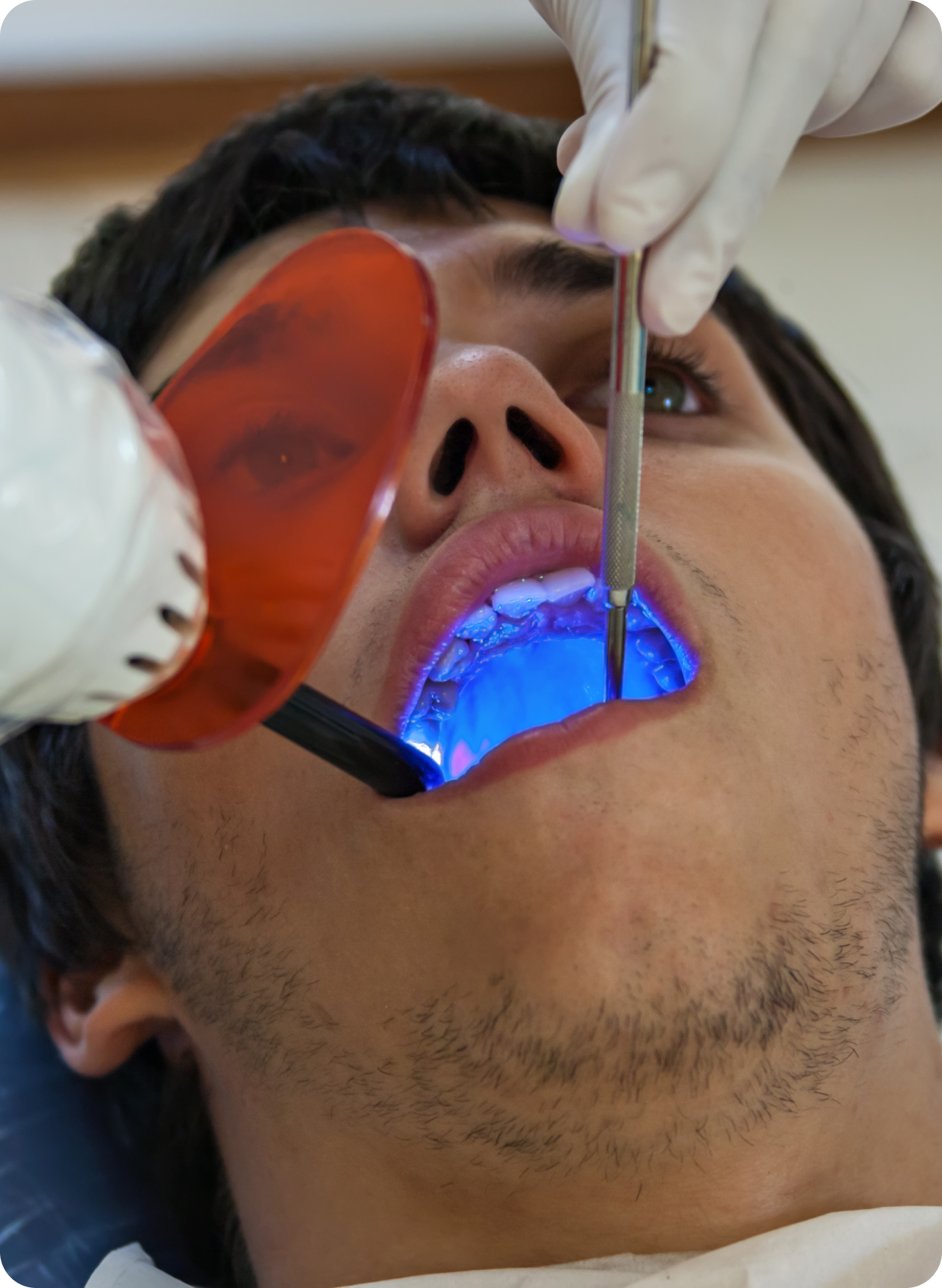
Your teeth may be sensitive after a professional cleaning, root planing, crown replacement, or other restoration procedures.
Periodontal disease
Gum disease (periodontal disease) can lead to tooth sensitivity.
Symptoms of sensitive teeth
Sensitivity to hot, cold, sweet or acidic foods
Pain when brushing or flossing
Discomfort when biting down or chewing
Tooth sensitivity after fillings
Tooth sensitivity after a filling is a common occurrence due to inflammation in the nerve of the affected tooth. Thankfully, this will usually resolve on its own over time.
However, it is possible that there could be an issue with the filling, like a premature contact or high bite. If this is the case, it’s best to contact your local Aspen Dental dentist right away to have it checked out.
How to manage tooth sensitivity
Avoid extremely hot or cold drinks
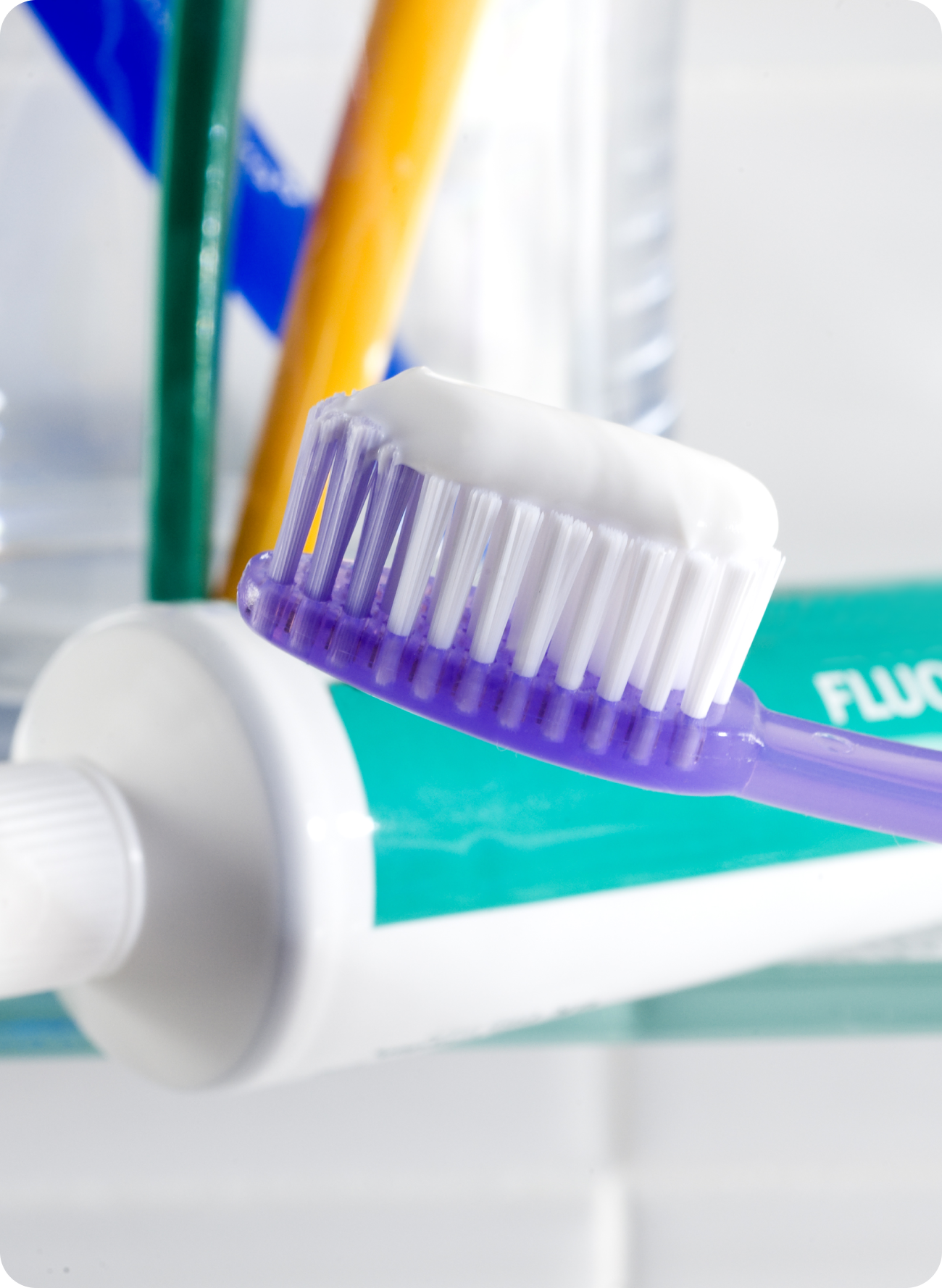
Use desensitizing toothpaste
Have your dentist adjust a filling
Still sensitive after a few weeks? Call your care team right away.
How to stop sensitive teeth pain
Toothpaste for sensitive teeth
Daily use can help protect your teeth from discomfort.
Soft-bristled toothbrush
Using a soft-bristled toothbrush and brushing moderately or gently helps to preserve the health of your enamel and gums.
Fluoride applications
Fluoride gel or varnish applied by your dentist can strengthen enamel and reduce sensitivity.
Avoid sugary and acidic foods and beverages
Limiting intake can help prevent further enamel erosion.
Dental procedures
Sealants, fillings, or dental bonding can be used to treat exposed roots or repair damaged teeth.
Maintain oral hygiene
If bruxism is the cause of your sensitive teeth, it could help to wear a night guard while you sleep.
Find solutions to sensitive teeth
At Aspen Dental, our goal is to help you get back to your best smile. No need to suffer with sensitive teeth—schedule an appointment for a customized care plan.
Sensitive teeth FAQs
Why are my teeth sensitive?
Teeth may become sensitive when the enamel on your teeth gets worn down or the gums recede, which exposes the underlying surface called dentin. This allows heat, cold, or acidic substances to come into contact with the nerves inside the tooth, causing discomfort.
Is teeth whitening safe for sensitive teeth?
Yes, teeth whitening can be safe for sensitive teeth, but it's important to choose products or treatments designed for sensitivity and to carefully follow the instructions.
How to fix sensitive teeth?
To fix sensitive teeth, it is essential to maintain good oral hygiene, use toothpaste for sensitive teeth, avoid acidic foods and foods at extreme temperatures. If you’re experiencing persistent discomfort, it may be best to consider dental treatments, like fillings or sealants, to address any underlying issues. Consult with your local Aspen Dental team for an accurate care plan tailored to your specific needs.
How to manage a tooth sensitive to cold?
We recommend using desensitizing toothpaste, avoiding extremely cold foods and drinks, maintaining good oral hygiene, and consulting your dentist for additional treatment.