Last updated 06.16.2026
Why does one tooth hurt when it’s cold outside?
Learn what causes one tooth to react to cold air, how to recognize warning signs and when sensitivity may need treatment.

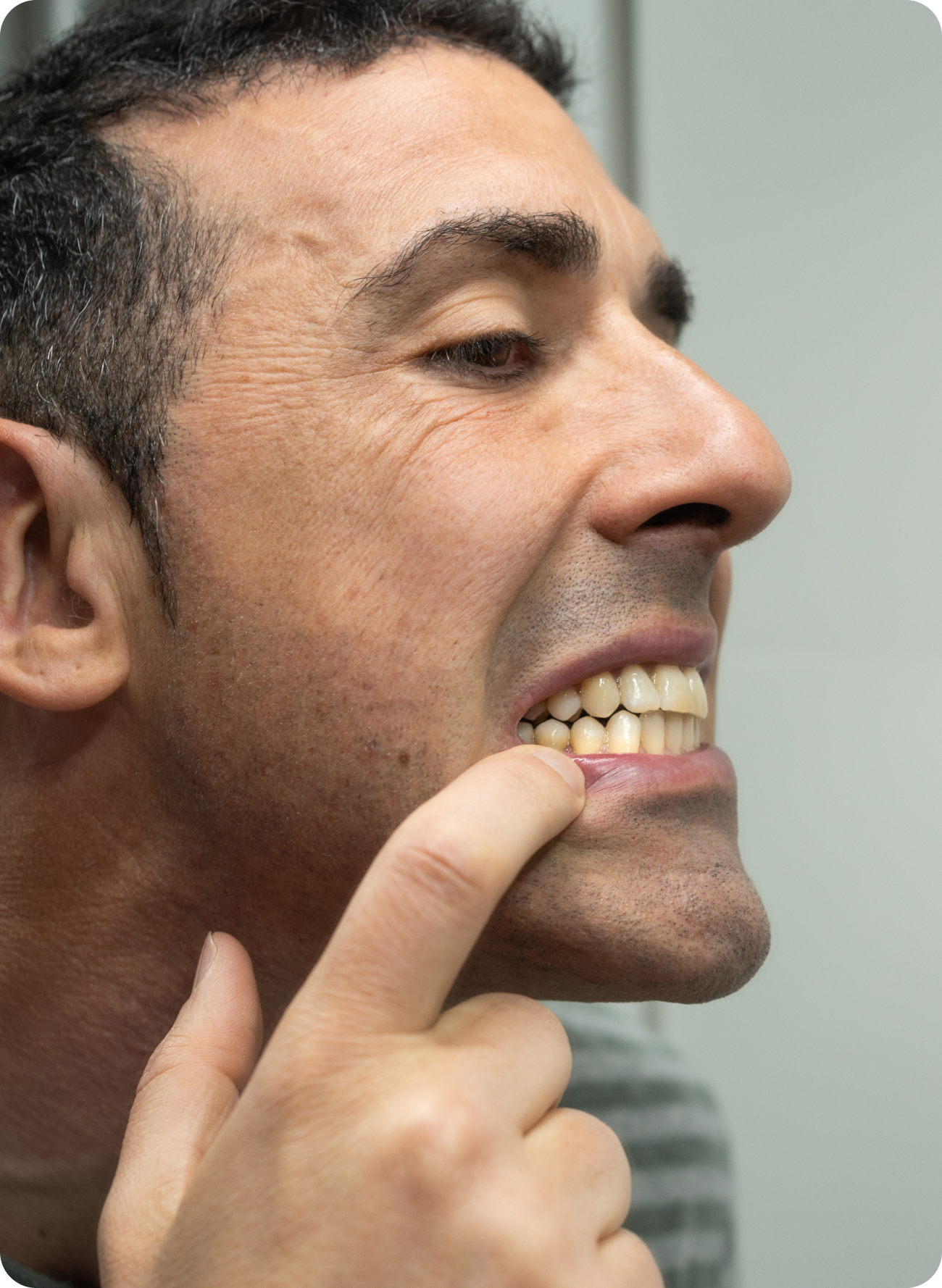
If one tooth hurts when you breathe in cold air, it usually means that specific tooth has a weakened area — such as a small crack, worn filling, gum recession or early decay — that is exposing the sensitive inner layer of the tooth. While cold temperatures affect all teeth slightly, discomfort isolated to one tooth often signals a localized problem that should be evaluated.
What you’ll learn in this article:
Why cold air triggers tooth sensitivity
The most common reasons one tooth reacts to cold weather
How to tell whether the sensitivity is minor or needs attention
Simple ways to reduce discomfort during colder months
When to schedule an appointment with your Aspen Dental provider
Why cold air triggers tooth sensitivity
Teeth contain multiple layers. The outer enamel protects the tooth, while the layer beneath — called dentin — contains microscopic tubules connected to the nerve inside the tooth. When cold air reaches exposed dentin, it can trigger a sharp, sudden sensation.
Cold temperatures also cause teeth to contract slightly. In a healthy tooth, this is not noticeable. But if a crack, gap or exposed root surface is present, that movement can irritate the nerve and trigger discomfort. This is why cold sensitivity is often sharp and brief, then fades once the tooth adjusts.
Common reasons one tooth hurts in the cold
When cold sensitivity affects only one tooth, there is usually a specific structural cause.
Cracked teeth often feel worse in cold weather
Even a very small crack can create a pathway to the nerve inside the tooth. When cold air hits the area, the tooth contracts slightly and the crack flexes, triggering sharp sensitivity.
According to the American Association of Endodontists, cracked teeth are one of the leading causes of tooth loss in adults.1If cold air consistently triggers discomfort in the same tooth, a crack is a common possibility worth evaluating.
Old or failing fillings can trigger cold sensitivity
Fillings can wear down or loosen over time, allowing cold air and bacteria to reach the dentin beneath the restoration. If the sensitive tooth has an older filling, a weakened seal is one of the most common explanations. In many cases, replacing the filling resolves the problem.
Gum recession can expose sensitive root surfaces
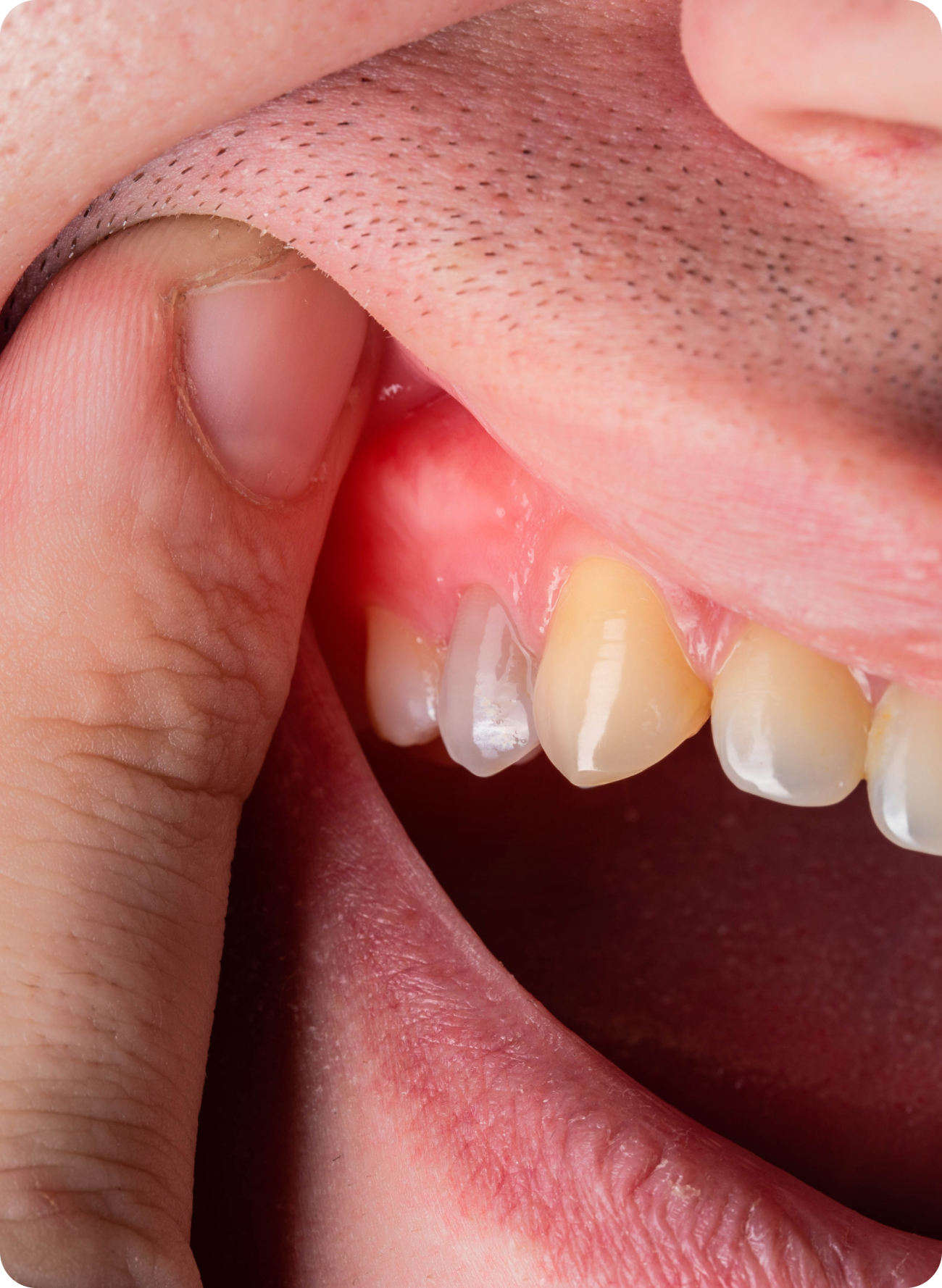
Unlike the crown of the tooth, the root is not protected by enamel. When gums recede, the root surface becomes exposed and much more sensitive to temperature changes.
Recession may result from aggressive brushing, gum disease or natural aging. Because gum recession does not affect every tooth equally, it often explains why only one tooth reacts to cold air.
Cavities can make one tooth sensitive to cold air
A cavity that reaches the dentin creates direct access to the nerve pathways inside the tooth. Cold air, cold drinks and sweets can all trigger sensitivity once the enamel barrier has been compromised.
If the tooth also looks darker, feels rough or reacts to sweet foods, decay may be the cause. Early treatment is usually straightforward and helps prevent more extensive damage.
Can cold weather itself make teeth more sensitive?
Yes — and not just because of the temperature. Cold weather often brings lower outdoor humidity, dry indoor heating and more mouth breathing during outdoor activities. Together, these factors can reduce saliva flow. Saliva helps protect teeth by neutralizing acids and replenishing minerals in the enamel. When saliva production drops, teeth become more reactive to temperature changes, which can make existing sensitivity feel noticeably worse during colder months — even when no new dental problem is present.
Does teeth grinding cause cold sensitivity in one tooth?
It can — and it often affects specific teeth more than others depending on bite pattern. Grinding and clenching (bruxism) gradually wear down enamel, exposing the dentin beneath. Because grinding tends to concentrate force on certain teeth, the sensitivity it causes is often localized rather than generalized. If you wake up with jaw soreness, notice flattened tooth edges or have been told you grind at night, this may be contributing to the sensitivity you feel in cold weather.
When cold sensitivity may need attention
Not every sensitive tooth requires urgent treatment, but certain symptoms should not be ignored.
Lingering sensitivity after the cold is gone
Sensitivity that fades within a few seconds is often related to exposed dentin or a minor structural issue. But discomfort that lingers for 30 seconds or longer after the cold exposure ends may signal inflammation inside the tooth.
Lingering sensitivity that worsens over time should be evaluated by your Aspen Dental provider before the problem progresses further.
Cold sensitivity that worsens during winter
Cold weather often makes existing sensitivity feel more noticeable because the temperature contrast is greater. However, sensitivity that flares up every winter may still indicate an underlying crack, filling issue or exposed root surface that exists year-round.
Signs the sensitivity could be more serious
Cold sensitivity accompanied by throbbing, swelling, discomfort when biting or a feeling that the tooth has “changed” may indicate more significant nerve involvement.
The American Dental Association notes that untreated dental infections can spread beyond the tooth, making early evaluation important when these symptoms are present.2
How to reduce cold sensitivity in the meantime
While waiting to be seen, these steps may help reduce discomfort:
Breathe through your nose outdoors to limit direct cold air exposure
Use a sensitivity toothpaste containing potassium nitrate or stannous fluoride
Avoid extremely hot or cold foods and drinks on the affected side
Cover your mouth with a scarf in very cold weather
Pause whitening products temporarily, since they can increase sensitivity
These measures may reduce symptoms temporarily, but they will not address the underlying cause.
When to see your dental provider
Schedule an appointment if:
Cold air consistently triggers sharp discomfort in one specific tooth
The sensitivity is getting worse over time
The discomfort lingers after the cold exposure ends
You notice swelling, discoloration or discomfort when biting
The tooth has an older filling, visible gum recession or previous dental work
Most causes of localized cold sensitivity are straightforward to diagnose and treat. Early evaluation often means simpler and less invasive treatment.
Why does one tooth hurt when it’s cold? FAQs
Can cold weather alone make a healthy tooth hurt?
Usually not. Healthy teeth with intact enamel rarely produce sharp, localized discomfort from cold air alone. Mild sensitivity across several teeth in extreme cold can be normal, but one tooth reacting consistently usually points to an underlying issue.
Will sensitivity toothpaste solve the problem permanently?
Not always. Sensitivity toothpaste can reduce symptoms by blocking exposed dentin tubules, but it cannot repair cracks, cavities, failing fillings or gum recession. If the sensitivity persists, the tooth should still be evaluated.
How quickly can the cause of cold sensitivity be diagnosed?
In many cases, your Aspen Dental provider can identify the cause during a single appointment using an exam, bite evaluation and X-rays. Suspected cracks may also be checked with special lighting or diagnostic tools.
Does cold sensitivity always mean I need a root canal?
No. Most cold sensitivity is caused by exposed dentin, gum recession, cavities or filling issues — not severe nerve damage. A root canal is typically needed only if the nerve inside the tooth becomes significantly inflamed or infected.
Can a sinus infection cause one tooth to hurt in the cold?
Yes — sinus pressure can create cold-sensitive discomfort in the upper back teeth because the maxillary sinuses sit close to the tooth roots. Sinus-related discomfort usually affects multiple upper teeth and occurs alongside congestion or facial pressure. Sensitivity isolated to one tooth is more likely to be a dental issue.
Sources
1American Association of Endodontists. Cracked Teeth. https://www.aae.org/patients/dental-symptoms/cracked-teeth/
2American Dental Association. Tooth Sensitivity. https://www.ada.org/resources/research/science-and-research-institute/oral-health-topics/tooth-sensitivity