Last updated 04.23.2026
Molar tooth extraction
Learn why molar tooth extraction may be needed, what to expect during the procedure and helpful recovery tips. Schedule an Aspen Dental visit near you today.
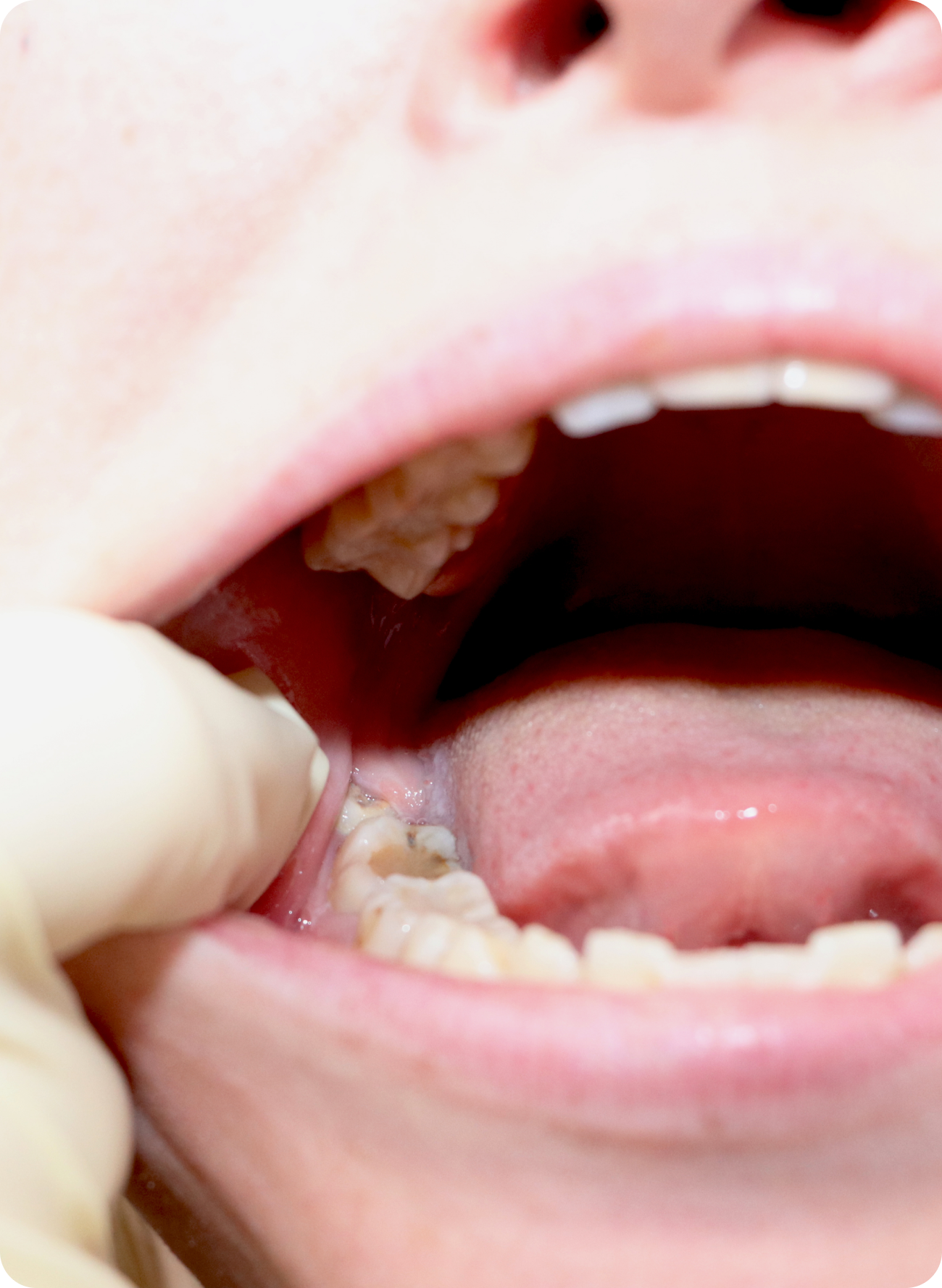
Dealing with ongoing tooth discomfort or a damaged back tooth can feel overwhelming. You may notice a dull ache that lingers throughout the day or sharper discomfort that makes it harder to focus on everyday tasks. You might find yourself chewing on one side of your mouth, avoiding certain foods or wondering what your options are.
Modern dental care offers a clear path forward. A molar tooth extraction is a common procedure used to remove a severely damaged, decayed or infected back tooth. Molars play an important role in chewing, which can make them more susceptible to wear and decay over time.
Symptoms that may indicate the need for evaluation include persistent discomfort, swelling around the gums or jaw, sensitivity to temperature or visible cracks in the tooth. If you notice these signs, visiting your local Aspen Dental office can help determine the right next step.
At Aspen Dental, care teams focus on creating treatment plans based on a thorough exam and your individual needs. Your provider will walk you through each step so you understand what to expect and feel supported throughout your care.
Why might a molar need to be extracted?
Dentists aim to preserve natural teeth whenever possible. Treatments like fillings, crowns and root canals are often effective. However, there are situations where extraction may be the most appropriate option for your oral health.
Advanced tooth decay
Cavities can progress over time if not treated. Because molars are located at the back of the mouth, they can be harder to clean thoroughly, making them more prone to decay.
When decay becomes extensive and there is not enough healthy structure to support a restoration, extraction may be recommended to prevent the issue from affecting nearby teeth.
Abscess or severe infection
If decay or damage reaches the inner part of the tooth, bacteria can lead to infection. This may result in swelling, sensitivity or a pocket of infection near the root.
If a root canal is not a viable option or the tooth is too compromised, extraction may be recommended to address the infection.
Advanced gum disease
Gum disease can affect the tissues and bone that support your teeth. Over time, this may lead to bone loss and loosen teeth.
Because molars handle significant chewing force, reduced support can make them difficult to stabilize. In these cases, extraction may help restore overall oral health.
Cracked or broken teeth
A molar can crack or break from injury or pressure. Minor damage may be repairable, but deeper fractures that extend below the gumline may not be.
If the structure of the tooth cannot be restored, extraction may be recommended to prevent further issues.
Impaction
Impaction occurs when a tooth cannot fully emerge through the gum. This is common with wisdom teeth.
Impacted molars can cause pressure or discomfort. Extraction may be recommended to help prevent future complications.
Orthodontic needs
In some cases, removing a molar may be recommended to create space for alignment treatment. Your Aspen Dental provider will explain when this approach may be appropriate.
What to expect during a molar tooth extraction at Aspen Dental
Understanding the process can help you feel more prepared. Modern extractions are designed to be safe and focused on your comfort.
Exam and X-rays
Your visit begins with a comprehensive evaluation. Your Aspen Dental provider will review your symptoms, medical history and overall oral health.
Digital imaging helps your care team understand the position of the tooth and surrounding structures. This allows for a more precise and personalized treatment plan.
Numbing and comfort options
Before the procedure, the area is numbed with a local anesthetic to help reduce discomfort. You may feel some pressure during the procedure.
If you have concerns about anxiety or comfort, ask your care team about available options.
The extraction procedure
Once the area is numb, your provider will gently loosen the tooth and remove it using specialized instruments.
After removal, the area is cleaned and a gauze pad is placed to help a blood clot form. This step is important for the healing process.
Recovery and aftercare
Healing after a molar extraction takes time, but most patients begin to feel better within a few days.
It is common to experience mild swelling, light bleeding and soreness during the first 24 to 48 hours. As healing continues, these symptoms typically improve.
Manage swelling and discomfort
Applying a cold compress to the outside of your cheek can help reduce swelling. Your provider may recommend over-the-counter or prescribed medication to help manage discomfort.
Protect the blood clot
A blood clot forms at the extraction site and plays an important role in healing. Avoid actions that may disturb it, such as using a straw, smoking or forceful rinsing.
Eat soft foods
Stick to soft foods like yogurt, applesauce or mashed potatoes during the first few days. Gradually return to your normal diet as your comfort improves.
Avoid strenuous activities
Limit physical activity for a few days after your procedure. Rest supports healing.
When to contact your Aspen Dental provider
Contact your care team if you notice ongoing bleeding, increasing swelling, fever or discomfort that does not improve.
Do you need to replace a molar after extraction?
Even though molars are not always visible, they play an important role in chewing and overall oral function.
When a molar is missing, nearby teeth may shift and your bite can change over time. This can affect how you chew and maintain oral hygiene.
Replacement options may include:
Your Aspen Dental provider will help you understand which option fits your needs, goals and budget.
Molar tooth extraction FAQs
Are molar extractions safe?
Molar extractions are common procedures performed by dental professionals using established techniques. Your provider will review your health history and plan your care to support a safe experience.
Can I eat normally after a molar is removed?
You will need to start with soft foods and gradually return to your normal diet as healing progresses.
Is a molar tooth extraction painful?
The area is numbed during the procedure. You may feel pressure, but your care team focuses on keeping you comfortable.
Will my insurance cover a molar tooth extraction?
Many plans may cover part of the cost. Coverage varies by provider.
The Aspen Dental Savings Plan and financing options may help with out-of-pocket costs.
What are signs of complications after extraction?
Watch for increased discomfort after a few days, ongoing bleeding or swelling that worsens. Contact your provider if you notice any of these signs.
Get molar tooth extraction care at Aspen Dental
If you are dealing with a damaged or uncomfortable molar, there are options to help restore your oral health.
Aspen Dental care teams are here to evaluate your situation, explain your options and support you through your treatment and recovery.
With locations nationwide, you can find care close to home.
Schedule an appointment today to get started.