Last updated 11.03.2025
Why Is my tooth loose? Understanding and treating tooth mobility in adults
Adult loose tooth? Learn causes (gum disease, injury), symptoms, and treatment options to save your smile.
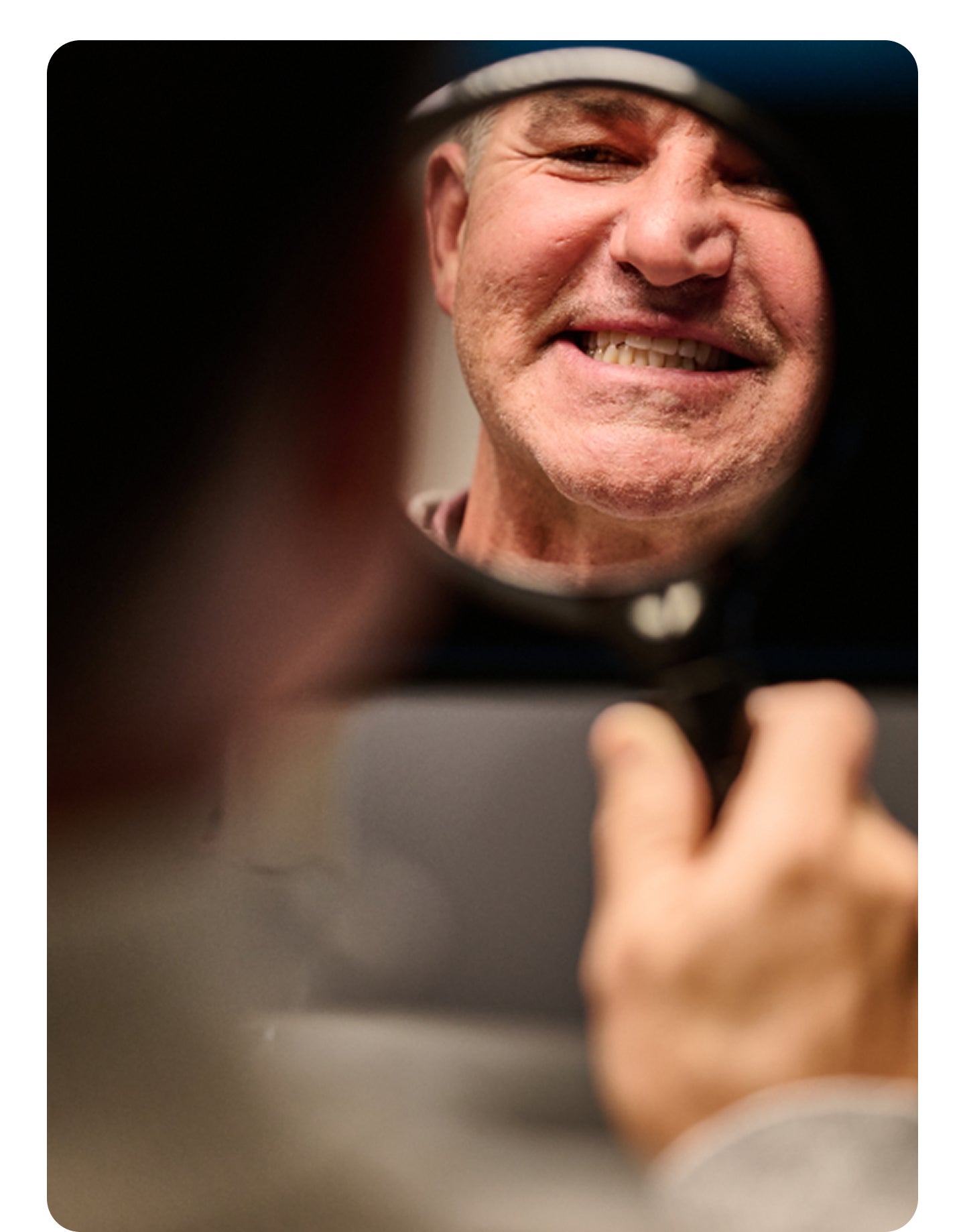
Unlike when you were a kid, a wiggly tooth now usually means something’s not right. If you’ve noticed a loose tooth as an adult, it’s important to get it checked out right away.
Tooth mobility is often a sign that something is going on below the surface, such as gum disease injury or trauma. The sooner you get treatment, the better your chances of saving that tooth and avoiding bigger dental issues later.
Your Aspen Dental care team provides expert treatment options for loose teeth. Together, we can protect your oral health and help you feel confident about your smile again.
What causes a loose tooth in adults?
Losing a tooth as a child was normal, or even a little exciting. As an adult, however, if your tooth is moving or wiggling, it is a sign to call your dentist. Your teeth are meant to stay secure in their sockets, held in place by gums, ligaments and bone. When any of those supports weaken or become damaged, your teeth can start to wobble or feel loose.
A few common causes are:
Gum disease – The leading cause of loose teeth in adults
Tooth injury – Damage from a fall, sports injury or accident
Teeth grinding – Chronic pressure that weakens tooth attachments
Osteoporosis – Bone density loss that affects your jaw
Pregnancy – Hormonal changes that temporarily affect gum tissue
Gum disease, also known as periodontal disease, is often the culprit. It damages the gums and bone that keep your teeth anchored. When bacteria build up in pockets around teeth, causing inflammation and bone loss. Without treatment, this can lead to tooth loss and even affect your overall health.
Is a loose tooth always serious?
Any loose tooth in an adult deserves a look from your Aspen Dental dentist. Sometimes it can be minor, or it could be more advanced, but getting it checked early on gives you the best chance of saving your natural tooth.
A slight looseness in your tooth might feel alarming but could respond well to treatment. Severe mobility often indicates advanced gum disease or significant trauma. The key is to find out what’s going on before it gets worse.
The upside is that modern dental treatment gives you options. You don't have to live with discomfort or worry about tooth loss. Whether you need cleaning, stabilization or more advanced treatment, there’s a way forward.
What are the warning signs my tooth needs immediate attention?
Sometimes a loose tooth is just the beginning. If you notice any of the symptoms below, you should schedule an appointment right away:
Visible pus or discharge around the tooth
Discomfort when biting or chewing
Swollen or bleeding gums
A bad taste in your mouth that won't go away
Fever alongside tooth symptoms
Sudden increase in tooth movement
These symptoms might signal an infection or abscess that needs immediate treatment. Dental infections can spread to other parts of your body if left untreated. Don't wait if you notice any combination of these signs. Schedule your appointment today.
Even without additional symptoms, any adult tooth that feels loose should be looked at as soon as possible. Early treatment often saves teeth that might otherwise need extraction.
How can gum disease cause my tooth to become loose?
Gum disease often starts quietly. You may not even notice it at first, but as it progresses, it can damage the tissue and bone that hold your teeth in place. Understanding this process helps you recognize the importance of early treatment and regular dental care.
In the early stage called gingivitis, bacteria irritate your gums and cause inflammation. Your gums might bleed when you brush, but at this stage, your teeth are still stable. You can, however, reverse gingivitis completely with professional cleaning and good oral care at home.
Without treatment, gingivitis advances to periodontitis. Bacteria create deep pockets between your gums and teeth where more infection develops. The infection destroys the ligaments and bone supporting your teeth, which causes tooth mobility.
Advanced periodontal disease severely damages the supporting structures. Teeth become noticeably loose and may shift position. At this stage, you need specialized treatment to save affected teeth and prevent further damage.
The connection between gum health and tooth stability is clear. Healthy gums and bone are what keep your teeth secure. When tooth support weakens, even strong teeth can shift.
Can a loose tooth tighten back up on its own?
A slightly loose tooth from minor injury might stabilize as tissues heal. However, most cases of adult tooth mobility require professional help.
Hoping a loose tooth will fix itself usually leads to disappointment. The conditions causing tooth mobility typically worsen without intervention. Gum disease progresses, grinding damage accumulates and untreated problems become more complex.
Professional treatment gives your tooth the best chance of tightening back up. Your Aspen Dental dentist can remove infection, deep clean affected areas, and sometimes use a small splint to stabilize the tooth while it heals. These interventions help your mouth recover and help provide long-term stability to your tooth.
What treatment options exist for a loose tooth?
Treatment depends on what's causing your tooth to feel loose. Your Aspen Dental care team will examine your mouth, take X-rays and recommend the best approach for your specific situation.
Deep cleaning and periodontal therapy
If gum disease is to blame, a deep cleaning, called scaling and root planing, removes bacteria from below the gum line. This helps your gums reattach to teeth and can significantly improve tooth stability.
Tooth splinting
Dentists can bond a loose tooth to neighboring stable teeth using a splint. This technique holds the tooth in position and provides extra support as the tissues heal.
Bite adjustment
If teeth grinding or bite problems are adding stress and contributing to mobility, a quick bite adjustment or custom night guard can relieve pressure and protect your teeth.
Bone grafting
If bone loss has already occured, grafting procedures can rebuild the foundation supporting your teeth. This treatment creates a stable base that helps teeth tighten over time.
Tooth extraction and replacement
If your tooth can't be saved, removing it may be the healthiest choice. An extraction prevents infection. Thankfully, there are many tooth replacement options available. From dentures to dental implants or a bridge, it won’t take long for you to get back to eating and smiling again.
Many loose teeth can be saved if you act early. Your Aspen Dental care team will explain every option so you can make the best decision for your health and comfort.
Insurance and costs
The cost of treating a loose tooth varies depending on the cause and type of treatment. Deep cleaning typically costs less than procedures, such as bone grafting or implants. Tooth extractions and replacements vary by the option you choose.
Most dental insurance plans provide coverage for gum disease treatment and tooth extractions. Your benefits typically cover a percentage of treatment costs after meeting your deductible. Coverage for replacement options, like implants, varies by plan.
Aspen Dental works with many insurance providers to help maximize your benefits. Medicaid, however, is not accepted.
Your dental care team will verify your coverage and explain your costs before treatment begins. They’ll help you know what to expect financially before making any decisions.
No insurance? No problem. Flexible financing options through trusted, 3-rd party lenders help you take care of your teeth now instead of waiting. Don't let cost concerns prevent you from getting the care your teeth need.
When to schedule an appointment
Schedule an appointment as soon as you notice a tooth feels loose. Early evaluation and care give you the best shot at saving your natural tooth and preventing further issues.
Even if you don’t notice symptoms, regular dental checkups and professional cleanings can catch gum disease early, before it causes tooth mobility. Prevention always works better (and costs less) than repairs.
If you have pain, swelling, discharge or your tooth suddenly feels looser, call your Aspen Dental office right away. Getting ahead of the problem protects your smile and peace of mind.
FAQs
Can stress cause my tooth to feel loose? Not directly, but stress can lead to teeth grinding and jaw clenching, which can damage the tissue around your teeth over time. Managing stress and wearing a night guard helps protect them.
How long does it take for a loose tooth to tighten after treatment? It depends on what caused it. If it’s mild inflammation, you might notice improvement in a few weeks. If bone needs to regrow, it can take a few months. Your dentist will let you know what to expect based on your specific situation.
Will I lose my tooth if it feels loose? No, not always. Many loose teeth can be saved with early treatment. The outcome depends on the cause of the mobility issue and the extent of the damage. However, the sooner you get it evaluated and treated, the better your chances.
Does a loose tooth mean I have gum disease? Not every time. Gum disease is the most common reason, but injuries or grinding can also cause mobility. Your Aspen Dental dentist will check to find the exact cause.
Can I eat normally with a loose tooth? Try to avoid biting or chewing directly on the loose tooth for now. Stick to soft foods, like mashed potatoes, and chew on the other side of your mouth until it can be evaluated and treated. Your dentist will make diet recommendations based on your situation.
Is tooth extraction the only solution for a loose tooth? No, that’s the last resort. There are often ways to stabilize or treat a loose tooth before extraction becomes necessary. Your Aspen Dental care team explores all possibilities before recommending extraction as a solution.
Are loose teeth covered by dental insurance? Usually, yes. Most plans help cover treatment for gum disease or tooth mobility, though exact coverage varies. Please note that Medicaid isn’t accepted at Aspen Dental offices.
Can children's vitamins or supplements help tighten a loose tooth? No. While good nutrition supports oral health, if your tooth is loose, it needs dental treatment to repair the damage. No supplement can reverse the damage causing adult tooth mobility.
Ready to get relief from tooth concerns?
A loose tooth can feel unsettling, but you don’t have to face it alone. The team at Aspen Dental is here to help you find answers and feel comfortable again. Your experienced care team understands your concerns and works with you to find the best solution for your situation.
Whether you need cleaning, stabilization, or replacement, we’ll walk you through every step with care and clarity. Same-day appointments are often available, so you can start feeling better fast. Schedule an appointment with Aspen Dental today and take the first step toward a strong, healthy smile.