Last updated 06.03.2026
Is fruit bad for your teeth?
Learn which fruits are safest for your teeth, how acid affects enamel and which eating habits raise cavity and erosion risk.
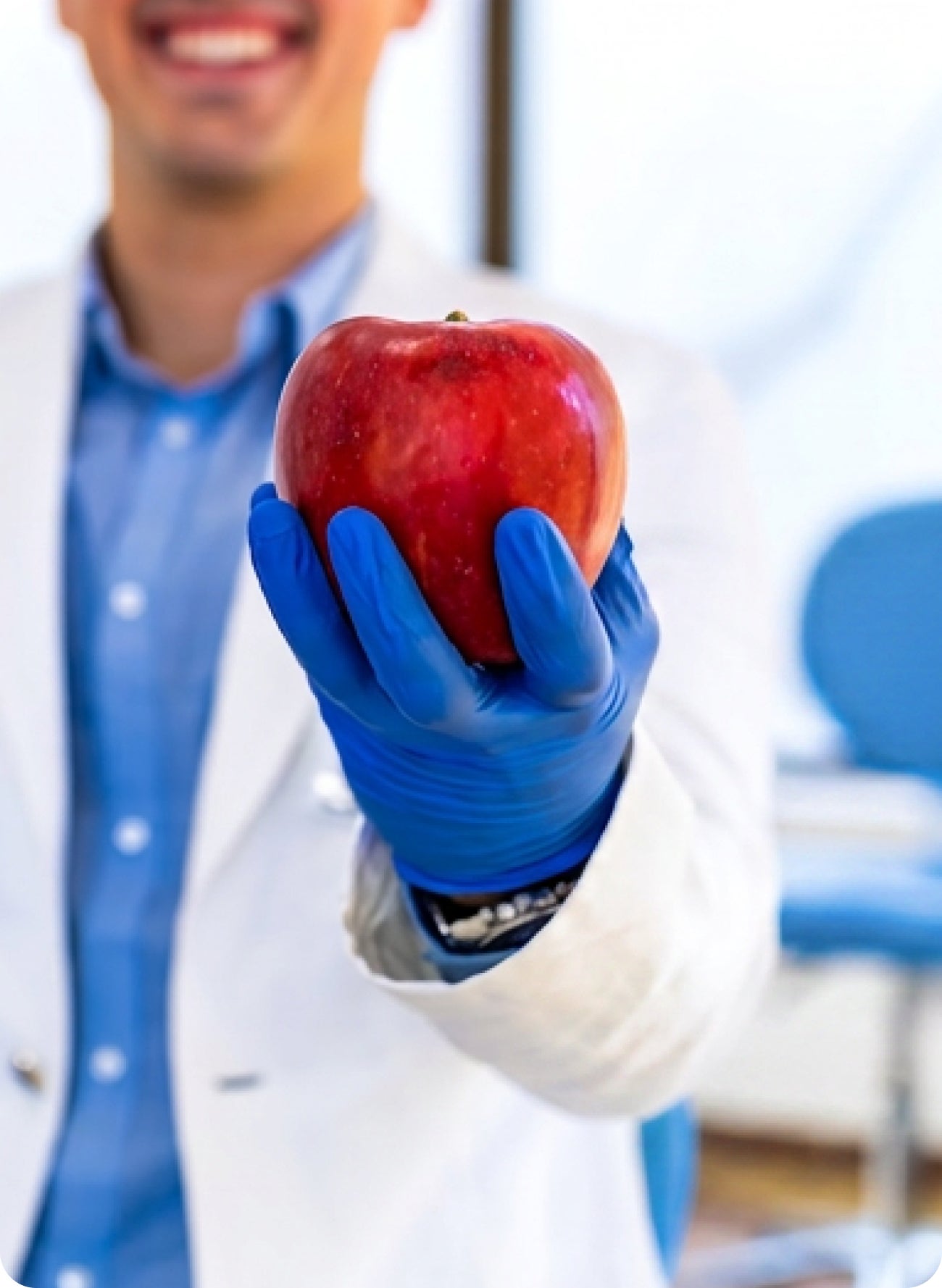
No, fruit is not bad for your teeth — but how you eat it, which forms you choose and how often you consume it can affect your oral health over time. Fresh whole fruit is generally one of the safest choices for your teeth.
Processed forms — including dried fruit, juice, and fruit snacks — can expose teeth to concentrated sugar and acid for much longer. If certain fruits seem to trigger sensitivity or you are unsure whether your diet may be affecting your teeth, your dental provider can help identify what may be affecting your enamel and recommend ways to protect it.
What you'll learn in this article:
Whole fruit is much safer for your teeth than juice, dried fruit, or fruit snacks
Acid — especially from citrus fruit — can wear down enamel over time
Dried fruit sticks to teeth longer and raises cavity risk more than fresh fruit
Fruit juice exposes teeth to concentrated sugar and acid without the fiber that helps protect them
Fruit snacks and fruit leather behave more like candy than fresh fruit
Rinsing with water after eating acidic or sticky fruit — and waiting 30 minutes before brushing — can significantly reduce enamel damage.
How fruit affects tooth enamel
Every time you eat something sweet or acidic, bacteria in your mouth produce acid as a byproduct. That acid temporarily softens the outer layer of your teeth — the enamel. Your saliva works to neutralize the acid and help enamel recover, but that process takes time. The concern with fruit is not that it is inherently harmful. It is that some forms of fruit — and some eating habits — keep acid and sugar in contact with your teeth longer than your saliva can handle.
Dental erosion is more common than many patients realize — research estimates it affects between 20–45% of children and a meaningful share of adults, with frequent acid exposure from diet identified as a leading cause.1
Signs that acid may be affecting your enamel include:
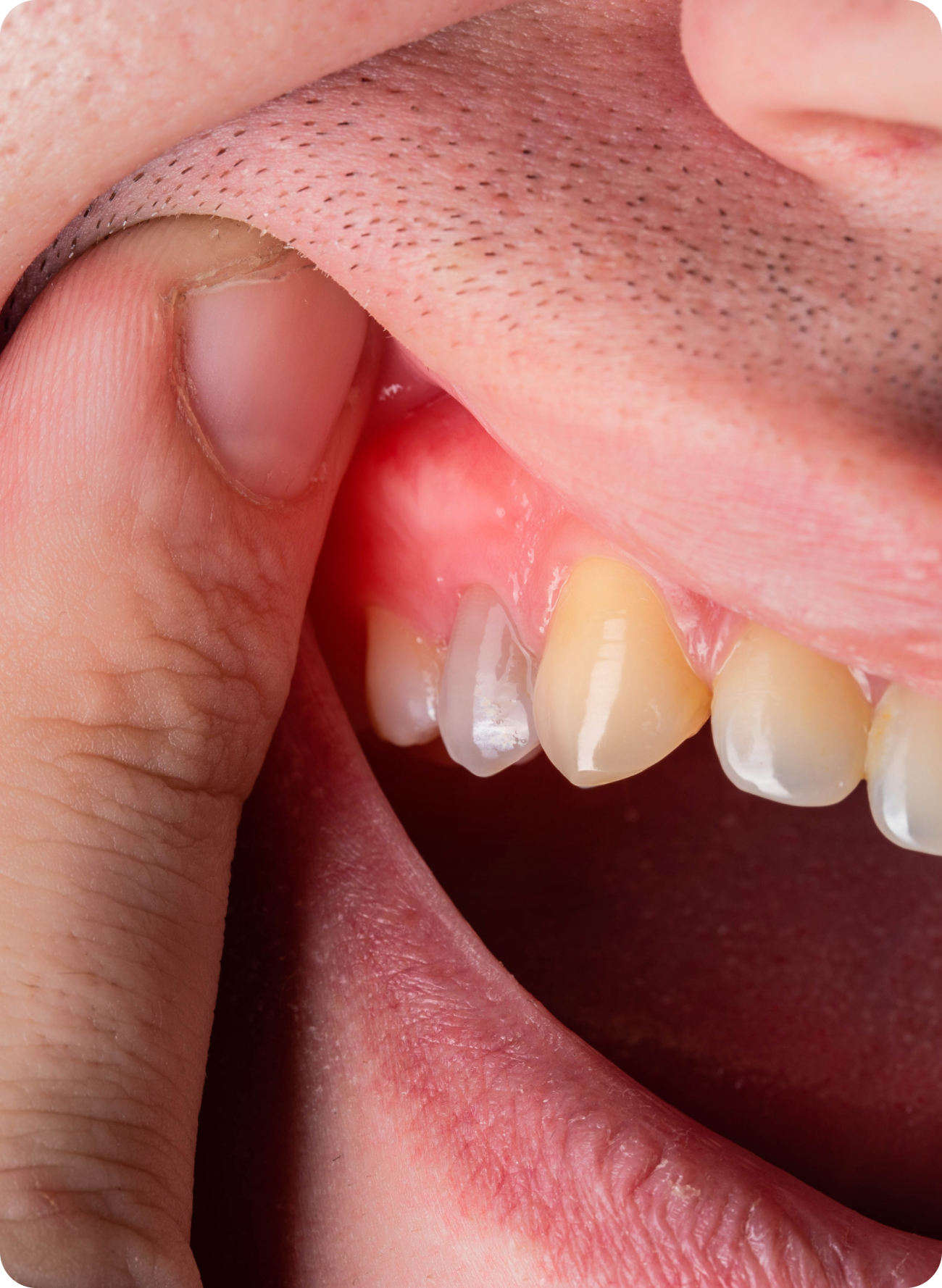
Increased tooth sensitivity to hot, cold, or sweet foods
Teeth that appear more yellow or translucent near the edges
Rounded or smooth tooth surfaces
Small dents or cupping on chewing surfaces
More frequent cavities than expected
If you notice any of these, your Aspen Dental provider can evaluate whether acid erosion is a factor.
Which damages teeth more — sugar or acid?
Both matter, but they work differently. Sugar feeds the bacteria that produce acid inside your mouth. Acid in the fruit itself — like the citric acid in oranges or lemons — attacks enamel directly, without needing bacteria as a middleman. Citrus fruits do both: they contain natural sugar and they are highly acidic on their own. That combination makes citrus fruits the highest-risk category for most people — especially if you eat them multiple times a day.
Why does eating fruit frequency matter more than quantity?
According to the American Dental Association, saliva typically needs about 20–30 minutes to neutralize acid and begin remineralizing enamel after an acid exposure..2 If you sip orange juice slowly for over an hour or snack on fruit throughout the afternoon, your enamel never gets a full recovery window. Eating fruit in one sitting — rather than grazing — gives your saliva time to do its job between meals.
Which fruits are easier on your teeth — and which to watch
Most fresh fruit is a reasonable choice. The ones that deserve more attention are those that combine high acidity with high sugar, or that have a texture that clings to teeth.
Higher-risk fruits:
Citrus fruits — lemons, limes, oranges, grapefruits, and pineapple are among the most acidic fruits you can eat
Grapes — high in both sugar and acid
Bananas — soft texture means they stick to tooth surfaces longer than crunchy fruits
Lower-risk fruits:
Apples and pears — their crunch and high water content help rinse the mouth and stimulate saliva
Watermelon, cantaloupe, and honeydew — high water content, lower acidity
Strawberries — moderate acidity, but their malic acid content may actually have a mild whitening effect on enamel
Are berries bad for your teeth?
Berries are not a major cavity risk, but blueberries, blackberries and raspberries can stain enamel over time because of their deep pigmentation. Rinsing with water after eating them reduces staining. Their sugar content is moderate, and their acidity is lower than citrus, so they are not a significant enamel threat for most people.
What makes citrus fruits a higher risk?
Citrus fruits have a pH well below the threshold at which enamel begins to soften. For example, lemon juice has a pH of approximately 2.0–2.6 — well below the 5.5 threshold at which enamel begins to soften.3 Eating citrus occasionally is not a problem.
Squeezing lemon into your water throughout the day, or eating citrus multiple times daily, gives enamel repeated acid exposure without enough recovery time between episodes.
Not all fruit is equal — these three forms are harder on your teeth
Some forms of fruit are processed, concentrated, or stripped of the properties that make whole fruit relatively safe. Juice, dried fruit, and fruit snacks all interact with your teeth differently than a fresh apple or a handful of berries — and in each case, the risk is meaningfully higher.
Dried fruit
Dried fruit is one of the most cavity-promoting foods in the produce section. The drying process removes water and concentrates sugar, and the sticky texture means it clings to the grooves and surfaces of your teeth long after you have finished eating. Raisins, dates, apricots, and figs are all nutritious foods — but they behave more like sticky candy than fresh fruit when it comes to your enamel.
Fruit juice
Juicing removes the fiber that slows sugar absorption and stimulates saliva. What remains is a concentrated liquid high in sugar and often acid, with nothing to buffer its contact with your enamel. Sipping juice slowly throughout the day is one of the higher-risk habits for enamel erosion. If you drink juice, having it quickly with a meal — rather than nursing it over time — reduces how long acid stays in contact with your teeth.
Fruit snacks
Fruit snacks and fruit leather are not meaningfully different from candy in terms of dental risk. Most contain added sugar on top of concentrated fruit sugar, cling to enamel and lack the fiber or water content that makes whole fruit safer. They are best treated as an occasional treat — and rinsing or brushing after eating them is a good habit.
Smoothies and blended fruit
Smoothies made from whole fruit retain fiber, which makes them safer than juice — but they can still be acidic, especially when they contain citrus, pineapple, or berries. Drinking smoothies through a straw reduces direct contact with enamel. Smoothies with added sugar, sweetened yogurt or honey carry a higher cavity risk than those made from whole fruit alone. Rinsing with water after finishing a smoothie is a good habit.
How to enjoy fruit without harming your teeth
You do not need to avoid fruit. These habits make a meaningful difference:
Eat fruit with meals rather than as a standalone snack throughout the day. Saliva production is higher during meals and helps neutralize acid faster.
Rinse with water immediately after eating acidic or sticky fruit. This removes sugar and dilutes acid before it can do damage.
Wait 30 minutes before brushing after eating acidic fruit. Brushing while enamel is temporarily softened can wear it down faster. Rinsing first, then brushing later, is the better sequence.
Choose whole fruit over juice whenever possible. The fiber slows sugar contact and stimulates saliva.
Drink juice quickly rather than sipping it slowly. Duration of exposure matters more than the amount consumed.
Limit dried fruit and fruit snacks to occasional use and rinse or brush after eating them.
When to see your dentist
If you have noticed increased tooth sensitivity, visible changes to your enamel or frequent cavities despite a generally healthy diet, fruit consumption habits may be a contributing factor — but they are rarely the only one. A dentist can evaluate your enamel, review your diet, and identify whether acid erosion or decay is present. In many cases, small adjustments to eating habits and a professional cleaning are all that is needed.
Is fruit bad for your teeth? FAQs
Is frozen fruit bad for your teeth?
Frozen fruit is not significantly different from fresh fruit in terms of sugar and acid content — the freezing process does not change its chemistry. The main consideration is texture. Biting directly into very hard frozen fruit can stress or crack teeth, especially if you have existing dental work. Letting frozen fruit thaw slightly before eating reduces that risk.
Is fruit-infused water bad for your teeth?
It depends on how long the fruit sits in the water and how often you sip it. Citrus-infused water — particularly lemon water — can be mildly acidic, especially if you sip it slowly throughout the day. Using a straw and rinsing with plain water afterward reduces enamel exposure. Infusing with lower-acid fruits like cucumber, mint, or watermelon is a gentler option.
Is monk fruit bad for your teeth?
Monk fruit sweetener is not harmful to teeth. Unlike regular sugar, it does not feed the bacteria that produce cavity-causing acid. It is one of the few sweeteners considered safe for enamel and is sometimes used in dental-friendly products for that reason.
Can eating too much fruit cause cavities?
Frequency and form matter more than total quantity. Eating three servings of whole fruit with meals is far less risky than sipping fruit juice or snacking on dried fruit throughout the day. If your diet is high in fruit and you are seeing more cavities than expected, the pattern of consumption — not just the amount — is worth discussing with your dental provider.
Are smoothies bad for your teeth?
Smoothies made from whole fruit are generally safer than juice because they retain fiber — but they can still be acidic, especially if they contain citrus, pineapple, or berries. Drinking smoothies through a straw reduces direct contact with enamel. Rinsing with water afterward is a good habit. Smoothies with added sugar or sweetened yogurt carry a higher cavity risk than those made from whole fruit alone.
Sources
1StatPearls Publishing. “Dental Caries.” National Center for Biotechnology Information. https://www.ncbi.nlm.nih.gov/books/NBK534248/
2American Dental Association. Mouth Healthy — Acids. https://www.mouthhealthy.org/en/az-topics/a/acids
3Lussi A, Jaeggi T. “Erosion—Diagnosis and Risk Factors.” Clinical Oral Investigations. 2008;12(Suppl 1):S5–S13. https://pmc.ncbi.nlm.nih.gov/articles/PMC2516950/