Last updated 06.17.2026
Is charcoal toothpaste safe?
Learn how charcoal toothpaste affects enamel, why it may increase sensitivity and which whitening options are safer for your teeth.
Many dental professionals do not recommend charcoal toothpaste for daily use because some formulas can be abrasive and many do not contain fluoride, leaving teeth without cavity protection. While it can remove some surface stains, the risks to your enamel outweigh the whitening benefits for most people.
What you'll learn in this article:
Charcoal toothpaste only removes surface stains — it cannot whiten below the enamel
Daily use could erode enamel, and enamel does not grow back
Most formulas contain no fluoride, leaving teeth vulnerable to cavities
Worn enamel makes teeth look more yellow over time, not whiter
Charcoal particles can lodge in gum tissue and tooth cracks, causing irritation
It may increase wear on crowns, veneers, and bonding — a risk most labels don't mention
ADA-approved whitening toothpaste and professional whitening are both safer and more effective alternatives to charcoal toothpaste.
If you are unsure whether your toothpaste is helping or harming your teeth, your provider at Aspen Dental can help you choose a safer option for whitening and long-term enamel protection.
What is charcoal toothpaste?
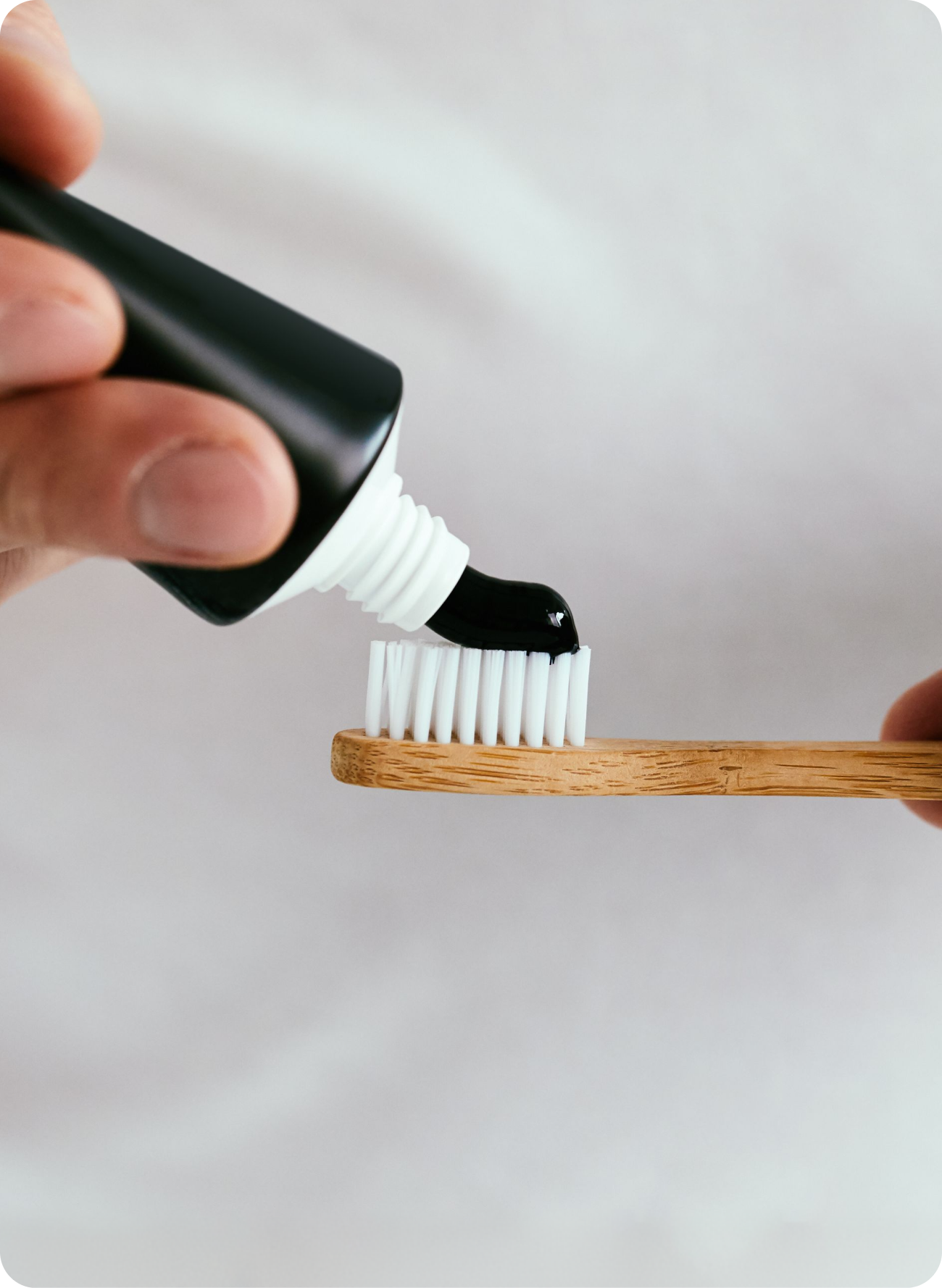
Charcoal toothpaste contains activated charcoal — a fine black powder usually made from materials like coconut shells, wood, or bamboo. The charcoal is heated to very high temperatures, which creates tiny holes that help it trap and lift surface stains.
That is why charcoal toothpaste is marketed as a whitening product. The dark color, dramatic videos, and “natural” branding make it appealing. But what many products do not explain is that charcoal can also be rough on enamel when used too often.
How does activated charcoal work on teeth?
Activated charcoal works by scrubbing stains off the surface of teeth. It is abrasive, which means it removes surface stains through mechanical scrubbing of the tooth surface. This can make teeth look whiter at first, especially if the stains come from coffee, tea, or tobacco. But charcoal cannot remove stains deep inside the tooth — the type of discoloration most people are actually trying to fix.
Does charcoal toothpaste really whiten teeth?
Not in any lasting or meaningful way. Charcoal toothpaste can remove some surface stains from things like coffee, tea, red wine, or tobacco. That may make teeth look slightly brighter at first. But it cannot change the natural color of your teeth or remove stains deep inside the tooth. Over time, the rough texture can also wear down enamel — which may make teeth look more yellow instead of whiter. The American Dental Association has not approved any charcoal toothpaste as safe or effective for whitening.1,3
What are the risks of charcoal toothpaste?
Despite its popularity, many dental providers have concerns about charcoal toothpaste. Some of those concerns are related to how it affects your teeth, while others involve ingredients that may be missing from the formula.
Does charcoal toothpaste damage enamel?
Yes — and this is the biggest concern with charcoal toothpaste. Enamel is the hard outer layer that protects your teeth. Once it wears away, it does not grow back. Many charcoal toothpastes are more abrasive than regular toothpaste.1 Over time, that rough scrubbing can slowly wear enamel down.
Why does enamel loss make teeth look more yellow?
As enamel gets thinner, teeth may become more sensitive and more likely to develop cavities. It can also make teeth look more yellow over time. Enamel is naturally white, but the layer underneath — called dentin — is more yellow. As enamel wears away, more of that yellow layer starts to show through.
Why does charcoal toothpaste lack fluoride?
Most charcoal toothpaste does not contain fluoride. This is a significant problem. Fluoride is the ingredient in toothpaste that strengthens enamel and protects teeth from decay. It works by remineralizing small areas of enamel that have been weakened by acid — essentially helping repair early damage before it becomes a cavity.2
When you replace your regular fluoride toothpaste with a charcoal formula, you lose that protection entirely. Over time, this increases your risk of cavities — especially if you are already prone to them.
Can charcoal toothpaste actually stain your teeth?
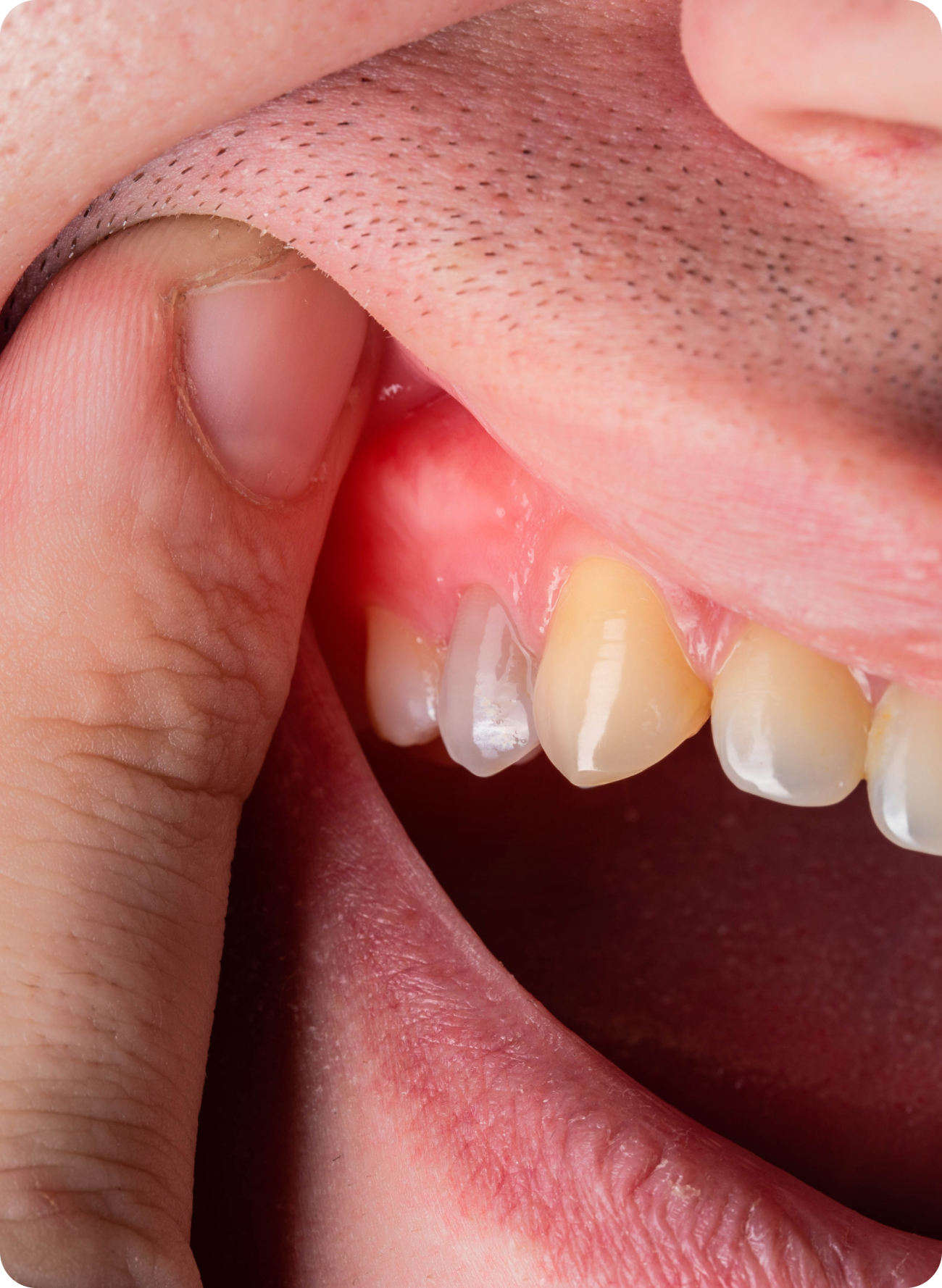
Yes. Some dental professionals have expressed concern that charcoal particles may become trapped in cracks, restorations, or along the gumline. When this happens, the charcoal itself can leave a gray or black tint — the opposite of the bright white result most people are hoping for. Charcoal can also irritate gum tissue. If particles work their way beneath the gumline, they can cause inflammation and discomfort that is difficult to resolve without professional care.
Can charcoal toothpaste interfere with medications?
Possibly. Because activated charcoal can absorb substances, some experts have raised concerns about potential interactions if significant amounts are swallowed. However, the risk from normal toothpaste use is not well established. That can make some medications less effective. If you take daily medications — especially thyroid medication or hormonal birth control — talk to your provider before using charcoal toothpaste regularly.
Can you use charcoal toothpaste occasionally?
Using charcoal toothpaste 1–2 times a week is less risky than daily use. If you choose to use it occasionally:
Never replace your fluoride toothpaste
Brush gently to avoid extra abrasion
Rinse well to clear particles from the gumline
Stop if you feel sensitivity or irritation
Even rare use carries risks if you already have thin enamel or sensitive gums.
Can charcoal toothpaste damage crowns, veneers, or fillings?
This is a risk most product labels do not mention: charcoal toothpaste can increase wear on existing dental work.
If you have crowns, veneers, bonding or tooth-colored fillings, the abrasiveness of charcoal toothpaste can scratch and dull those surfaces over time. Unlike natural enamel, these materials cannot be repaired by remineralization — once scratched, they stay scratched. This can affect both the appearance and the longevity of your dental work.
If you have any restorations in your mouth, it is especially important to check with your provider before using charcoal toothpaste — even occasionally.
What are safer alternatives for whiter teeth?
If you want whiter teeth, there are safer and more effective options than charcoal toothpaste. Whitening toothpastes with the ADA Seal of Acceptance use gentler ingredients to remove surface stains without the harsh abrasiveness of charcoal. Some also contain small amounts of whitening agents like hydrogen peroxide.
For deeper stains, professional whitening works much better. These treatments are designed to lighten stains inside the tooth — not just on the surface — and are tested for both safety and effectiveness.
Talk to your provider about charcoal toothpaste
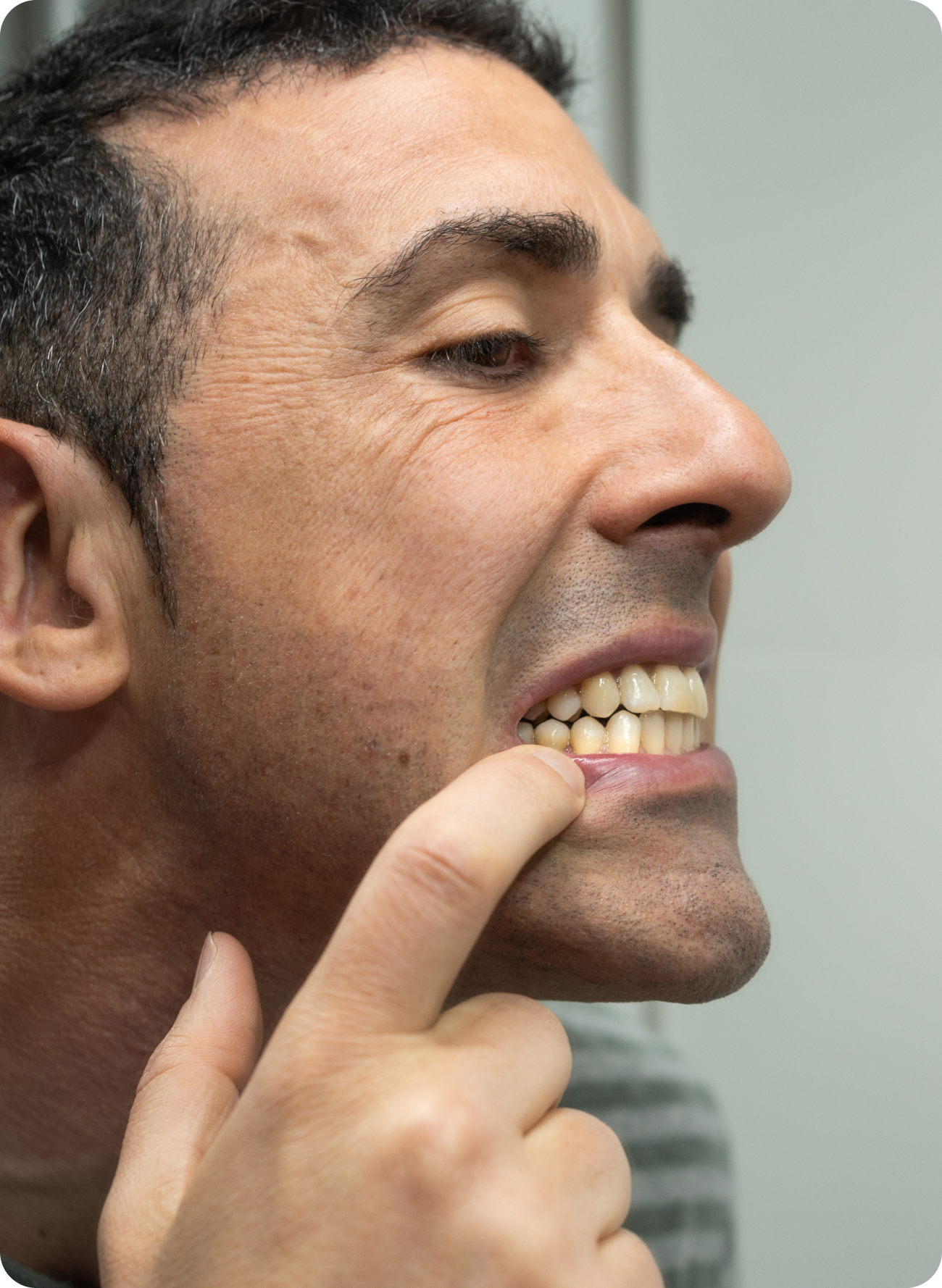
If you use charcoal toothpaste regularly and have noticed more sensitivity, gum irritation, or changes in the color of your teeth, it may be time to have your enamel checked. Early enamel wear is much easier to manage than more advanced damage.
You should also see your provider if:
You are not sure whether your toothpaste is safe for your enamel, fillings, or crowns
You want a whitening option that is safer and more effective
You have not had a recent cleaning or exam and want your enamel evaluated
Your provider can help you understand whether charcoal toothpaste may be affecting your teeth and recommend safer options if needed.
Is charcoal toothpaste safe? FAQs
Is charcoal toothpaste safe for kids?
No. Children's enamel is thinner and more vulnerable than adult enamel, making the abrasiveness of charcoal toothpaste a greater concern. Children should use an age-appropriate fluoride toothpaste recommended by their provider. Charcoal toothpaste is not appropriate for children of any age.
Is charcoal toothpaste safe during pregnancy?
Charcoal toothpaste is generally not recommended during pregnancy. Most formulas are abrasive and many do not contain fluoride, which is important for protecting teeth during pregnancy. There is also limited research on the safety of swallowing small amounts of activated charcoal while pregnant. Your provider can recommend a safer fluoride toothpaste that helps protect your enamel and gums during pregnancy.
Can charcoal toothpaste be combined with whitening strips?
Using charcoal toothpaste and whitening strips together is not recommended. Whitening strips already cause some temporary sensitivity by opening the pores of the enamel. Adding an abrasive charcoal toothpaste to that process increases the risk of enamel damage and significant discomfort. If you want to use whitening strips, stick with a gentle fluoride toothpaste during that period.
What toothpaste should I use if I have sensitive teeth?
If your teeth are already sensitive, look for a toothpaste with the ADA Seal of Acceptance that is specifically formulated for sensitivity. These products use ingredients like potassium nitrate or stannous fluoride to reduce sensitivity while protecting enamel — without the abrasion risk of charcoal.
Can you use charcoal toothpaste with braces?
No. Charcoal toothpaste is not safe to use with braces. The charcoal particles can get trapped around brackets and wires, making them very difficult to remove. There is also a risk of the charcoal staining the adhesive used to bond brackets to teeth. Patients with braces should use a fluoride toothpaste specifically recommended for orthodontic care.
How do I know if my enamel has been damaged by charcoal toothpaste?
Common signs of enamel wear include increased sensitivity to hot, cold, or sweet foods and drinks; teeth that appear more yellow or translucent at the edges; and a feeling that the tooth surface is rougher than usual. These changes can be subtle at first. The only way to accurately assess enamel health is through a professional exam.
Sources
1Brooks JK, Bashirelahi N, Reynolds MA. "Charcoal and charcoal-based dentifrices: A literature review." Journal of the American Dental Association. 2017;148(9):661–670. https://pubmed.ncbi.nlm.nih.gov/28599961/
2American Dental Association. "Toothpastes." ADA Oral Health Topics. Updated February 2026. https://www.ada.org/resources/ada-library/oral-health-topics/toothpastes
3American Dental Association. "Whitening." ADA Oral Health Topics. Updated August 2022. https://www.ada.org/resources/ada-library/oral-health-topics/whitening