Last updated 02.12.2026
How to whiten your teeth
Learn how to whiten your teeth, avoid common mistakes, and choose the best option for a brighter smile.
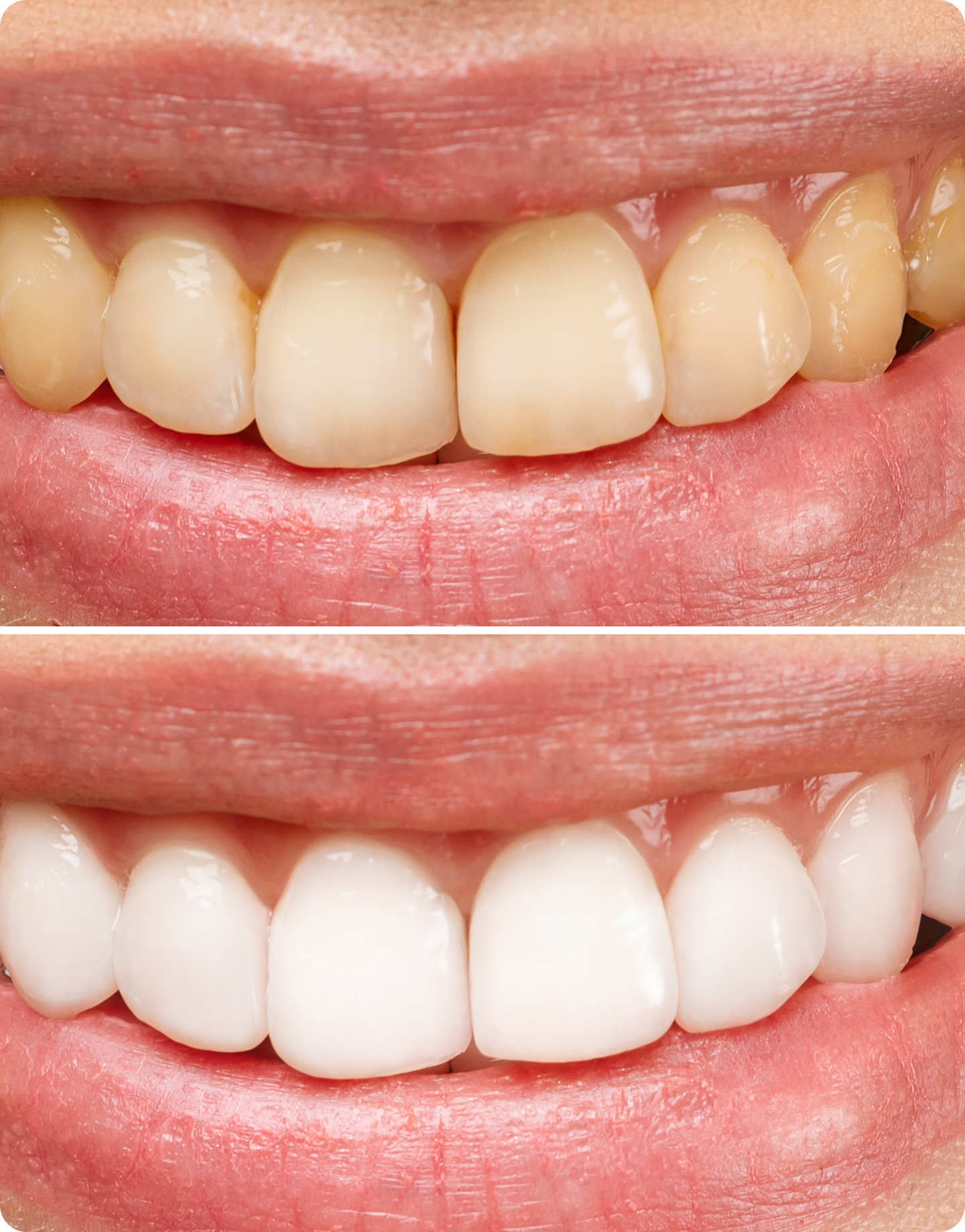
Noticing your teeth looking a bit yellow? You’re not alone. Tooth discoloration is common, but you can reverse it and get your pearly whites shining again, whether at home or with Aspen Dental.
Teeth whitening procedure
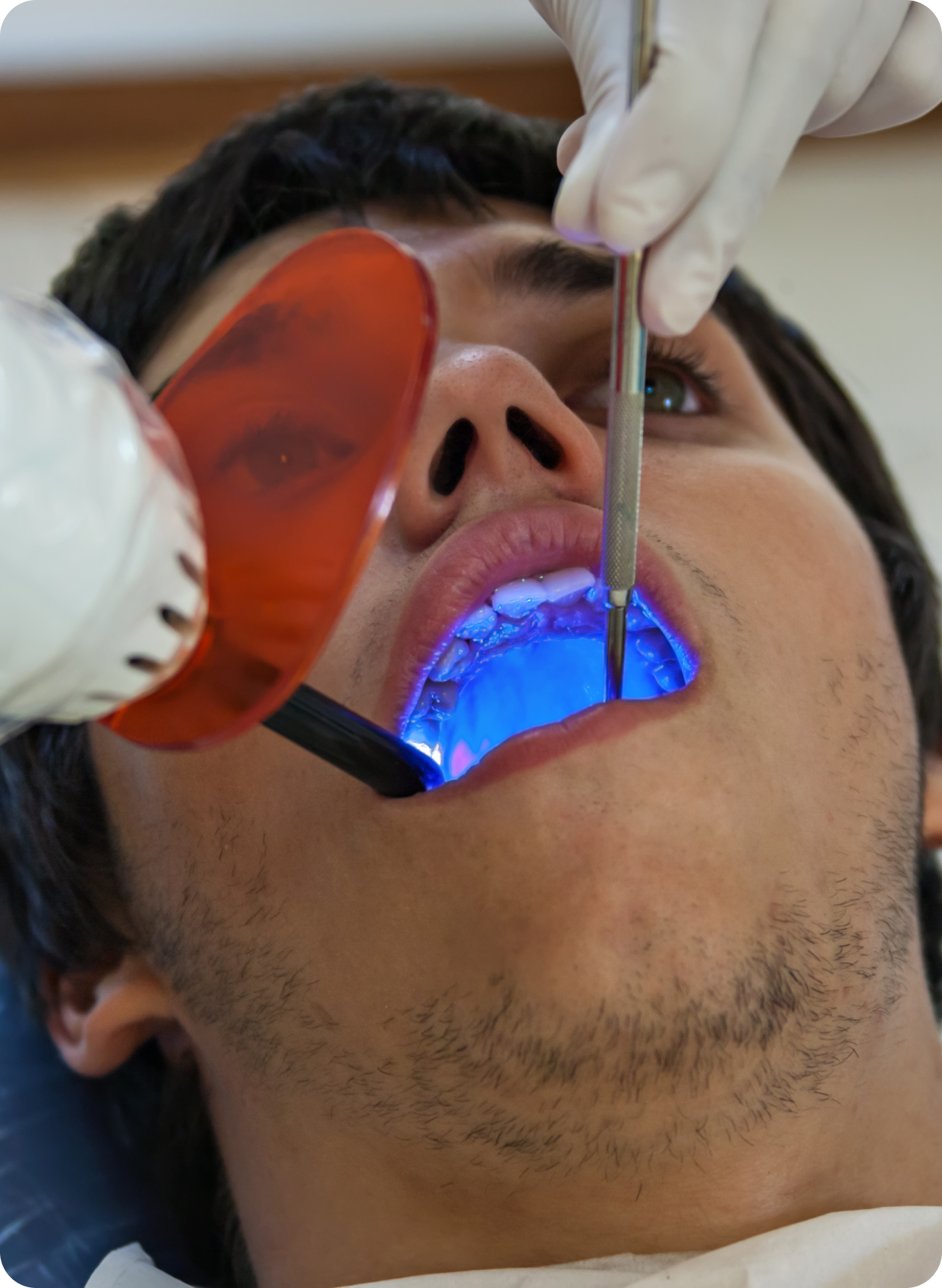
Teeth whitening is a dental procedure designed to lighten the color of your teeth. Aspen Dental uses advanced LED technology—this procedure can turn discolored teeth into white, natural-looking teeth. Various bleaching agents, such as hydrogen peroxide or carbamide peroxide, are commonly used. However, some risks include tooth sensitivity and gum irritation if not done properly. It’s also best to consult with your Aspen Dental care team.
Types of teeth whitening procedures
There are various ways to whiten your smile. Understanding the different types of treatments available can help you make a smart choice.
Professional whitening solutions
Getting help from a professional increases the chances of success and ensures long-lasting results. Here are the different solutions provided in dental offices:
LED whitening
At Aspen Dental, we brighten your smile using LED technology, lightening your teeth up to eight shades. You'll also receive a care kit with trays and whitening gel to maintain your results. You can often see results in one visit, and the effects can last several months.
Whitening trays
Whitening trays filled with a bleaching gel are worn over the teeth. These trays are are customized to your bite, which are tailored by a dental professional. This method minimizes gum irritation and ensures even whitening. Results can last several months with proper care.
At-home whitening solutions
Though it doesn’t last as long as professional options, teeth whitening at home has become more affordable and easy these days. Here are some at-home options you could try:
Whitening toothpaste
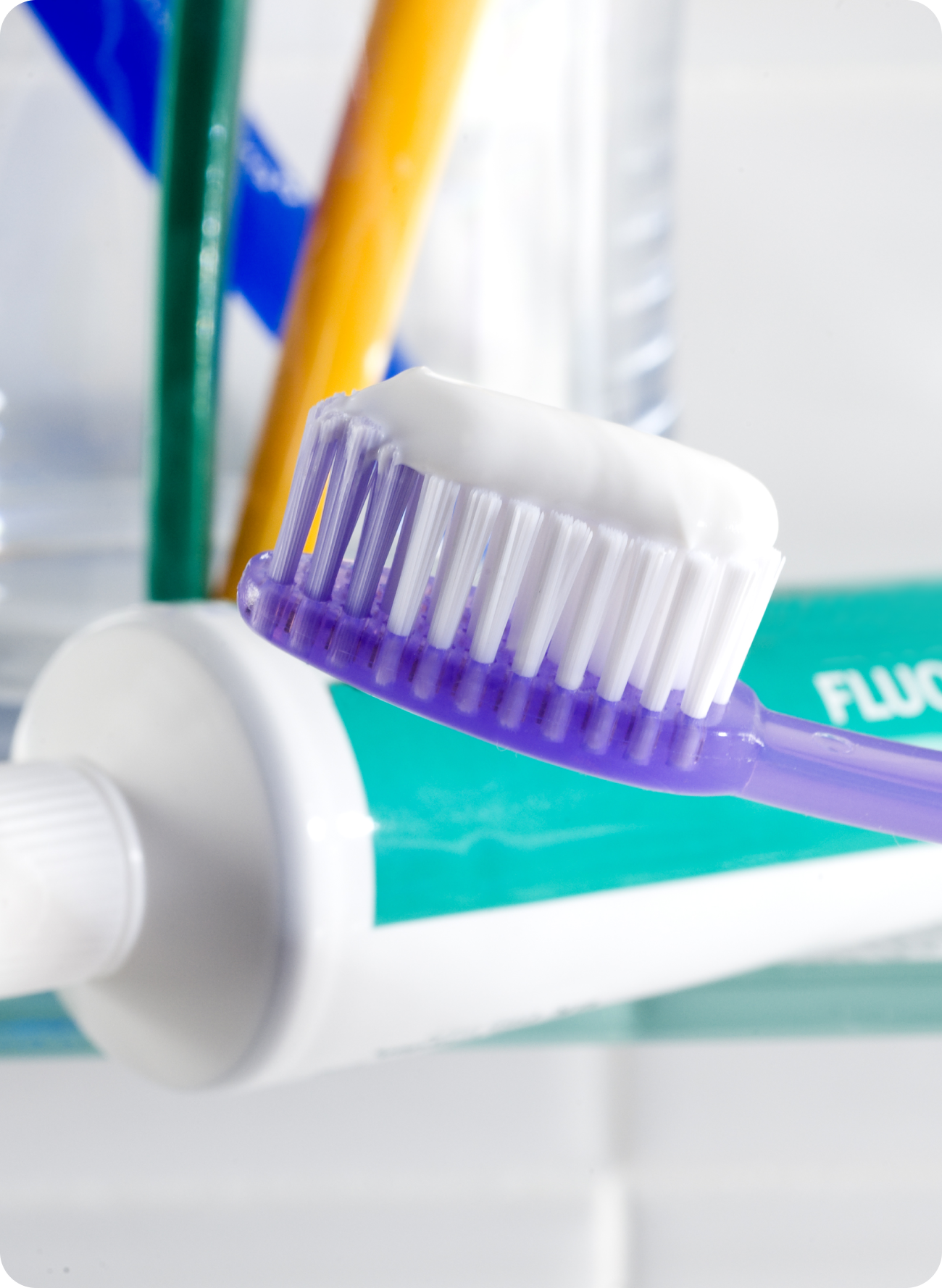
Contains mild abrasives and sometimes bleaching agents to remove surface stains. It’s a gentle option but takes longer to see results.
Whitening strips
Thin, flexible plastic strips coated with a bleaching agent. These are applied directly to the teeth for a specified period.
Professional vs. at-home solutions
Both professional and at-home solutions have their advantages and disadvantages.
Professional solutions
Effectiveness: High, noticeable in one session
Cost: Higher, but often includes follow-up treatments
Longevity: Longer-lasting, often up to a year
Convenience: Requires a visit to the dentist
Customization: Tailored to your specific needs
At-home solutions
Effectiveness: Moderate, results can take longer
Cost: Lower, various price points
Longevity: Shorter, typically lasts a few months
Convenience: Can be done in the comfort of your own home
Customization: Generic, one-size-fits-all
Should I whiten my teeth?
Teeth whitening can take your confidence to a new level. Here are some types of individuals who would benefit:
People with yellow or stained teeth
Teeth can become discolored over time due to diet and oral hygiene. Whitening can reverse these effects, giving you a youthful, healthy smile.
Smokers
Smoking leaves stubborn stains on teeth. Those who smoke and want to reduce these stains may find teeth whitening especially helpful.
Coffee or tea drinkers
Regularly drinking these beverages can lead to staining. If you can’t start your day without coffee or tea but want to maintain a bright smile, teeth whitening could be the answer.
Anyone looking for a bright, white smile
Whether for a special occasion or just to enhance your appearance, teeth whitening can boost your confidence with a radiant smile.
Who should not get teeth whitening?
Teeth whitening can offer a brighter smile, but it's not suitable for everyone. Here are the groups that should steer clear of this cosmetic procedure:
Pregnant women
Due to the lack of research on the effects of whitening agents during pregnancy, it's advisable for expectant mothers to postpone any teeth whitening treatments.
Children under 16
The nerve of the tooth (pulp chamber) is enlarged until this age, making younger children more susceptible to irritation from whitening procedures.
Individual with sensitive teeth or allergies
Those who already experience discomfort from sensitive teeth or have known allergies to peroxide-based whitening agents should avoid teeth whitening to prevent exacerbating these conditions.
Individuals with dental restorations
Teeth whitening treatments may not be effective on dental restorations such as crowns, veneers or bondings, as these materials do not respond to bleaching agents.
How to maintain my white teeth
To maintain your newly whitened teeth, it's essential to adopt specific habits that can extend the effects of your whitening treatments. By making thoughtful and daily lifestyle choices, you can significantly enhance the longevity of your brilliant smile.
Daily oral hygiene routine
Brush twice daily: Use fluoride toothpaste and brush for at least two minutes to effectively remove plaque and surface stains. Focus on all areas of the mouth, including hard-to-reach spots.
Floss regularly: Daily flossing helps to eliminate any food particles and plaque that may accumulate between your teeth, which can contribute to discoloration.
Mouthwash: Consider using an antimicrobial or whitening mouthwash to help keep your mouth clean. Although, using mouthwash won’t reduce staining unless it’s a whitening mouthwash.
Dietary choices
Avoid staining foods and beverages: Certain foods and drinks, such as coffee, tea, red wine, berries and sauces, like soy or tomato, can lead to staining. If consumed, rinse your mouth with water afterward.
Opt for light-colored foods: Incorporating lighter foods into your diet can help maintain your smile. Opt for dairy products, chicken, fruits and vegetables that are less likely to stain teeth.
Regular dental visits
Preventative cleanings: Schedule regular dental check-ups, ideally every six months. Preventative cleanings can help remove surface stains and maintain overall oral health.
Touch-up treatments: Discuss with your dentist about occasional touch-up treatments to keep your teeth looking their best, whether it involves in-office whitening or at-home solutions.
Lifestyle adjustments
Quit smoking: If you smoke, consider quitting, as tobacco is a leading cause of tooth discoloration.
Hydrate: Drink plenty of water throughout the day to help wash away food particles and bacteria that contribute to staining.
Whitening products
Whitening toothpaste: Consider using a whitening toothpaste that contains low levels of abrasives and hydrogen peroxide for ongoing maintenance.
Whitening strips: If you notice any staining returning, using whitening strips occasionally can help restore brightness without requiring a full dental treatment.
Teeth whitening FAQs
What do dentists use to whiten teeth?
Dentists often use bleaching agents like hydrogen peroxide or carbamide peroxide for effective whitening.
What are some causes of yellow teeth?
Yellow teeth can be caused by aging, dietary habits, smoking and poor oral hygiene.
How do I whiten teeth overnight?
While significant whitening overnight is unlikely, using whitening strips can show some results. However, consult a dental professional for the best advice.
How much whiter can you make your teeth?
Teeth can become several shades whiter, often up to eight shades lighter with professional treatments.
Are there any side effects associated with teeth whitening?
Potential side effects include tooth sensitivity and gum irritation. Always follow professional guidance to minimize risks.