Last updated 06.23.2026
How do I know if my dental crown is loose?
Learn the common signs of a loose crown, what may be causing it and why early treatment can help protect the tooth underneath.

A loose dental crown most often announces itself through movement when you bite, new sensitivity to hot or cold, a clicking sound, a changed bite or a bad taste near the tooth — and any of these signs means the crown should be evaluated.
Left untreated, a loose crown allows bacteria to reach the tooth underneath, which can lead to decay, infection, or damage that makes the tooth harder to save. The sooner a dentist evaluates it, the more likely the crown can be re-cemented or repaired without additional treatment.
What you'll learn in this article:
A crown that moves, rocks, or clicks when you bite is the clearest sign it has come loose — even slight movement matters
New sensitivity to hot, cold, or sweet foods may mean the tooth underneath is becoming exposed
A loose crown is not always an emergency, but waiting can turn a simple repair into a more complex problem
Teeth grinding is one of the most common reasons crowns loosen over time
Temporary dental cement may provide short-term relief, but it is not a long-term solution
If a new crown feels slightly different at first, that can be normal — but ongoing discomfort or movement should be evaluated
The good news is that most loose crowns can be repaired when caught early. Your dental provider can determine what's causing the movement and recommend the best way to protect the tooth underneath.
Signs your crown may be loose
Not every loose crown announces itself dramatically. Some feel obviously wrong from the first bite. Others shift so gradually that you barely notice until something feelsoff. Here are the signs to watch for.
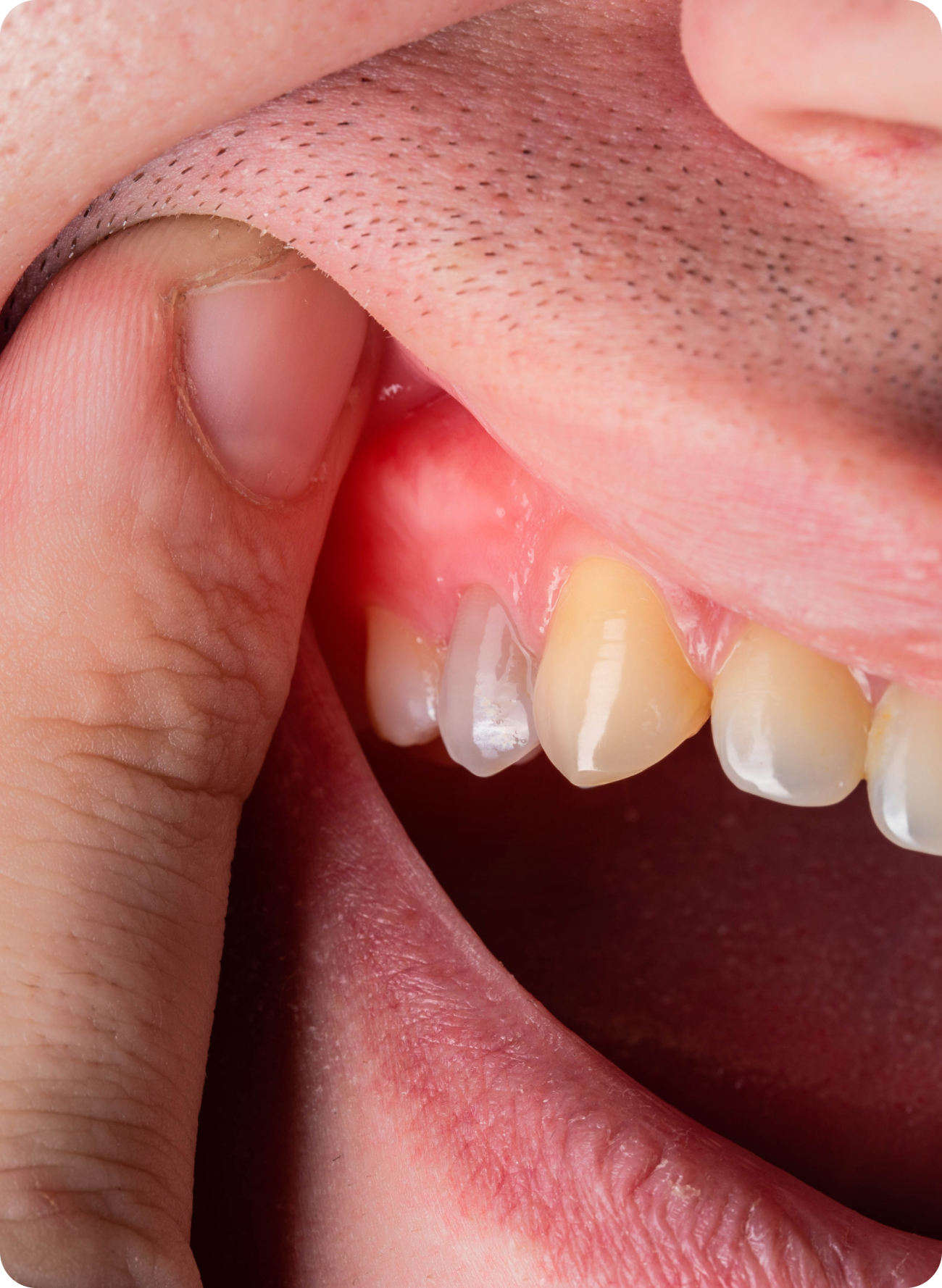
Is the gum around the crown irritated or pulling away?
Healthy gums should sit comfortably around a crown without swelling or tenderness. If the gum tissue around a crowned tooth looks red, feels sore, or appears to be pulling away from the crown edge, it may be a sign that the crown's fit has changed. Gum recession around a crown can expose the root of the tooth, increasing sensitivity and the risk of decay at the margin.
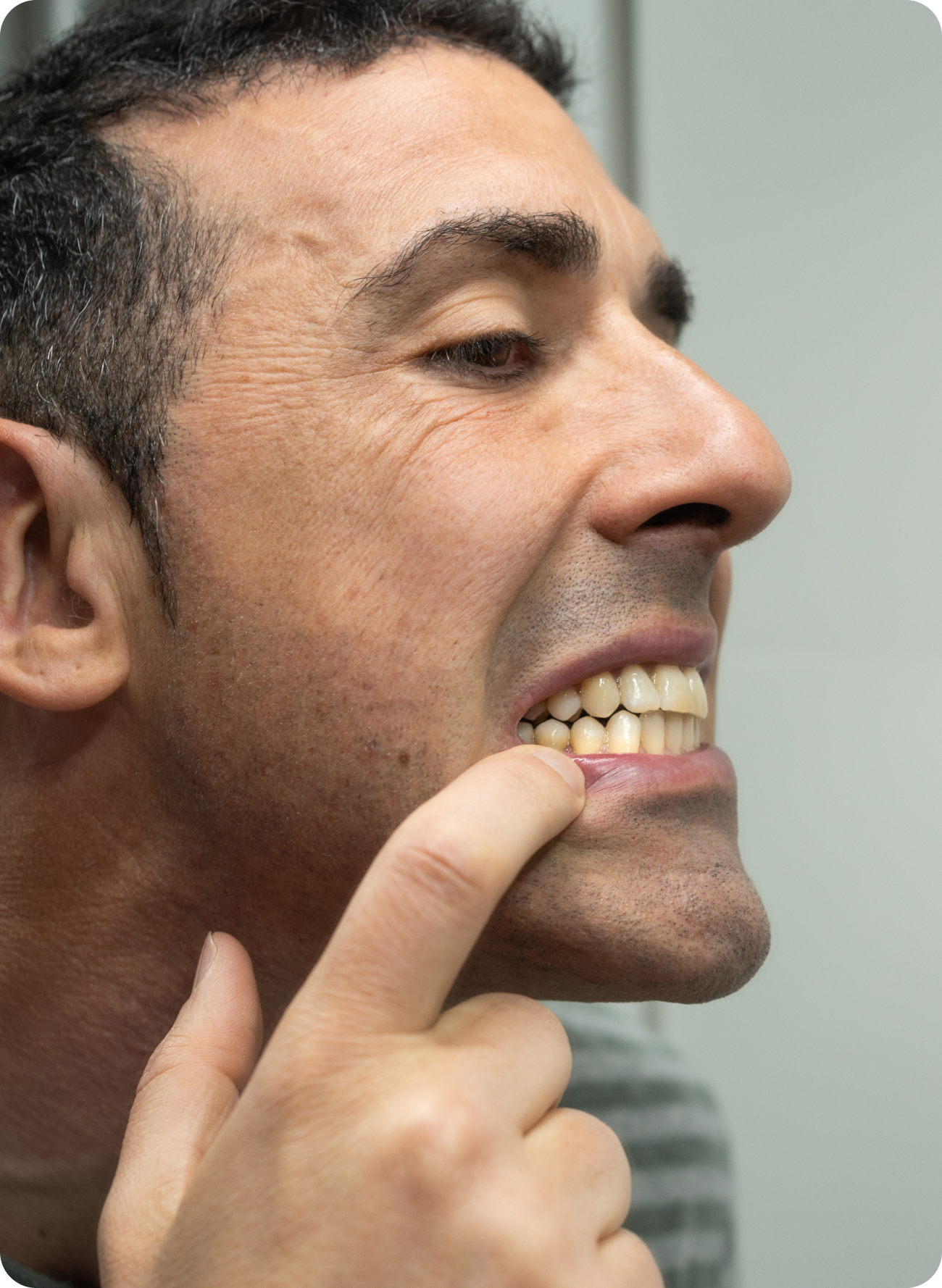
Does it move or rock when you bite down?
This is the most telling sign. A properly fitted crown should feel completely stable — no wobble, no give, no shifting. If you feel even a slight rocking motion when you chew or press on the tooth, the crown has likely lost its secure bond to the tooth underneath. Movement that you can feel with your tongue is also significant, even if it seems minor.
Are you feeling new sensitivity to hot, cold or sweets?
A crown is designed to seal and protect the tooth beneath it. When the seal breaks — even slightly — bacteria can work their way into the gap between the crown and the tooth. This often shows up as new sensitivity to temperature or sweet foods near a tooth that previously felt fine. The sensitivity may come and go, or it may linger for several seconds after the trigger is removed. Either way, it is worth having evaluated.
Do you hear a clicking or tapping sound?
Some patients notice a faint clicking or hollow tapping sound when they bite down on a crowned tooth. This happens because the crown is no longer sitting flush against the tooth — there is a small gap, and the crown is shifting slightly with each bite. If you hear this, the crown has almost certainly loosened.
Does your bite feel different than it used to?
A loose crown can change the way your teeth fit together. You may notice that one tooth hits first when you bite, that your teeth no longer come together evenly, or that chewing feels different than it used to. If your bite suddenly feels "off" around a crowned tooth, the crown may have shifted out of position.
Is there a bad taste or odor near the crown?
A persistent bad taste or odor around a crowned tooth can be a sign that bacteria have gotten underneath the crown. This may happen when the seal between the crown and tooth starts to break down. In some cases, decay can begin forming beneath the crown. Even if the crown does not feel loose, a bad taste or odor is a sign that it should be evaluated.
Is food getting stuck around the crown more than usual?
A crown should fit snugly against the tooth and surrounding gum tissue. When the seal starts to break down, a small gap can form around the edge of the crown. You may notice food getting trapped more often or see a space where the crown meets the gumline. Even if the crown doesn't move when you bite, these can be early signs that the bond is weakening.
What causes a crown to come loose?
Understanding why crowns loosen can help you recognize the problem earlier — and in some cases, prevent it from happening again.
Can a crown loosen as it ages?
Yes. Crowns are held in place by a strong dental cement, but that bond can weaken over time from years of chewing, temperature changes and normal wear. This is one of the most common reasons a crown becomes loose. According to the Journal of the American Dental Association, dental crowns typically last between 10 and 15 years, though many last significantly longer with proper care and regular checkups.¹
Can decay under a crown make it loosen?
It can. A crown protects most of the tooth, but the edge where it meets the gumline can still develop decay. If bacteria get underneath the crown, the natural tooth can begin to break down. As that support weakens, the crown may start to loosen — which is one reason regular cleanings and checkups remain important even after a crown is placed.
Teeth grinding (bruxism)
Grinding or clenching your teeth puts repeated pressure on crowns, especially while you sleep. Over time, that force can weaken the cement holding the crown in place and cause it to loosen.
Many people do not realize they grind their teeth. If you wake up with jaw soreness, headaches or worn teeth, grinding may be contributing to the problem.
Can trauma or a hard bite loosen a crown?
Biting down on something unexpectedly hard, a fall, or a sports injury can loosen a crown immediately or weaken the bond over time. If your crown started feeling loose shortly after an impact or after biting something hard, that may be the cause.
Can a crown loosen if it was not a perfect fit from the start?
Yes. A crown that does not fit properly can loosen sooner than expected. Even a small gap between the crown and tooth can allow cement to wear away or bacteria to get underneath. Over time, this can weaken the bond and damage the tooth beneath the crown. If a crown becomes loose soon after it was placed, your provider can check the fit and determine whether it needs to be adjusted or remade.
Is a loose crown a dental emergency?
Most loose crowns are not a same-day emergency, but they do need prompt attention. Here is a simple way to think about urgency:
Call your dental provider the same day if:
The crown has completely fallen off
You are experiencing significant throbbing or aching
There is visible swelling in the gum or jaw near the tooth
You notice signs of infection such as fever, swelling or a bad taste that appeared suddenly
Schedule an appointment within a few days if:
The crown feels loose or moves slightly but is still in place
You have new sensitivity but no severe discomfort
Your bite feels off but you are not in significant distress
A loose crown creates a gap where bacteria can enter and begin breaking down the tooth underneath, for this reason prompt care matters. The longer the crown stays loose, the more damage can occur — and what might have been a simple re-cement can become a more involved procedure. According to the National Library of Medicine, finding dental problems early makes them easier to treat.²
What to do while you wait for your appointment
If your crown is loose or has come off, avoid trying to fix it yourself. Pushing a loose crown back into place can damage the crown or the tooth underneath. If the crown has come off completely, place it in a clean container and bring it to your appointment. Once your appointment is scheduled, a few simple steps can help protect the tooth:
Chew on the opposite side
Avoid putting pressure on the loose crown until it has been evaluated.
Avoid sticky and hard foods
Caramel, gum, hard candy and crunchy foods can dislodge a loose crown completely.
Keep the area clean
Brush gently around the crown and rinse with warm salt water to reduce bacteria in the area.
Do not use over-the-counter dental cement as a long-term fix
Temporary dental cement can help hold a crown in place for a short time if you cannot be seen right away. But it is not a permanent solution. Repeated use can hide a worsening problem and may make the crown more difficult to repair properly later. A loose crown should be evaluated by your dental provider as soon as possible.
What to expect at your appointment
When you come in with a loose crown, your Aspen Dental provider will examine the crown, the tooth underneath and the surrounding gum tissue. They will likely take an X-ray to check for decay or damage beneath the crown that may not be visible on the surface.
From there, the two most common outcomes are:
Re-cementation
If the crown itself is intact and the tooth underneath is healthy, your provider can clean the crown and the tooth, then re-bond the crown using fresh dental cement. This is a straightforward procedure that typically takes one visit.
Crown replacement
If the crown is damaged, the tooth underneath has significant decay or the fit is no longer correct, a new crown may be needed. Your provider will walk you through what they find and what they recommend before any treatment begins.
When to see your dental provider
If your crown feels loose, moves when you bite, makes a clicking sound or has caused new sensitivity — do not wait to see if it resolves on its own. A loose crown will not tighten itself, and the longer it stays loose, the greater the risk of damage to the tooth underneath.
Schedule an appointment with your dental provider to have the crown evaluated. Most loose crowns are straightforward to address when caught early, and getting it checked gives you a clear answer and a path forward.
How do I know if my dental crown is loose FAQs
Can a loose crown cause an infection?
Yes, it can. When a crown loosens, bacteria can enter the gap between the crown and the tooth. Over time, this can lead to decay on the tooth underneath — and if that decay reaches the nerve, it can cause an infection. Signs of infection include significant throbbing, swelling in the gum or jaw, fever or a sudden bad taste. If you notice any of these, contact your dental provider the same day.
My crown was just placed recently — is it normal for it to feel a little loose?
It is normal for a new crown to feel slightly different or even slightly "off" for the first few days after placement. Your bite may need a minor adjustment, and your mouth needs time to adapt to the new restoration. However, if the crown is visibly moving, rocking or causing significant discomfort after the first week or two, that is not a normal adjustment period — contact your provider.
Is a loose implant crown the same situation as a loose regular crown?
Not exactly. A crown on a dental implant can loosen for different reasons than a crown on a natural tooth. The crown may have come loose from the abutment (the connector piece between the implant and the crown), or the abutment screw may have loosened. Either way, the symptoms — movement, clicking, sensitivity — are similar, and the same rule applies: have it evaluated promptly. Do not attempt to tighten or adjust an implant crown yourself.
Will my insurance cover re-cementing a loose crown?
Coverage varies by plan. Many dental insurance plans cover re-cementation as a restorative procedure, though there may be waiting periods or frequency limitations depending on when the crown was originally placed. Your Aspen Dental provider's team can help you understand your coverage before treatment begins.
How can I prevent my crown from loosening again?
The most effective steps are attending regular cleanings and checkups so your provider can monitor the crown's fit, avoiding chewing on very hard foods like ice or hard candy, and wearing a nightguard if you grind your teeth. Keeping the gumline around the crown clean reduces the risk of decay forming at the margin, which is one of the leading causes of crown failure over time.
Sources
¹ Journal of the American Dental Association. "Wearing a Crown." JADA, 2021. https://jada.ada.org/article/S0002-8177(21)00616-4/fulltext
² MedlinePlus (National Library of Medicine). "Dental Exam." Updated May 9, 2023. https://medlineplus.gov/lab-tests/dental-exam/