Last updated 06.17.2026
I have a fever and a toothache — is this a dental emergency?
Learn why a fever with a toothache can indicate a dental infection, when to seek emergency care and what treatment may be needed.

Yes, a toothache combined with a fever is a dental emergency and should be evaluated today. A toothache alone can have many causes, some minor. But a fever alongside it is your body signaling that an infection has moved beyond the tooth and is affecting your system. That changes the urgency entirely. The longer it goes untreated, the more the infection can spread — and the more complex treatment becomes.
What you'll learn in this article:
A fever with a toothache almost always signals a dental abscess — a bacterial infection that has spread beyond the tooth
Pain that eases on its own doesn't mean the infection is gone — it often means pressure has temporarily released while the infection grows
Facial, jaw, or neck swelling alongside fever means the infection is spreading and requires same-day care
Difficulty swallowing or breathing is a medical emergency — go to the ER, not a dental office
Antibiotics alone won't cure an abscess — the infection source must be treated directly
Knowing when to go to the ER versus a dentist gets you the right care faster
If you're experiencing a toothache with fever, schedule an appointment with your nearest Aspen Dental provider as soon as possible — same-day and walk-in appointments are available at most locations.
Why a fever changes everything about a toothache
Most toothaches start inside the tooth. A cavity, a crack or a damaged filling can allow bacteria to reach the soft inner tissue — called the pulp — where the nerve lives. Once bacteria reach the pulp, an infection can develop quickly.
When that infection grows, your immune system responds. A fever is one of the clearest signs that your body is actively fighting something. In the context of a toothache, it almost always means the infection has spread beyond the tooth itself and into the surrounding tissue or your bloodstream.
That is why fever is the dividing line between a toothache that can wait a few days and one that cannot wait at all.
What causes a fever with a toothache?
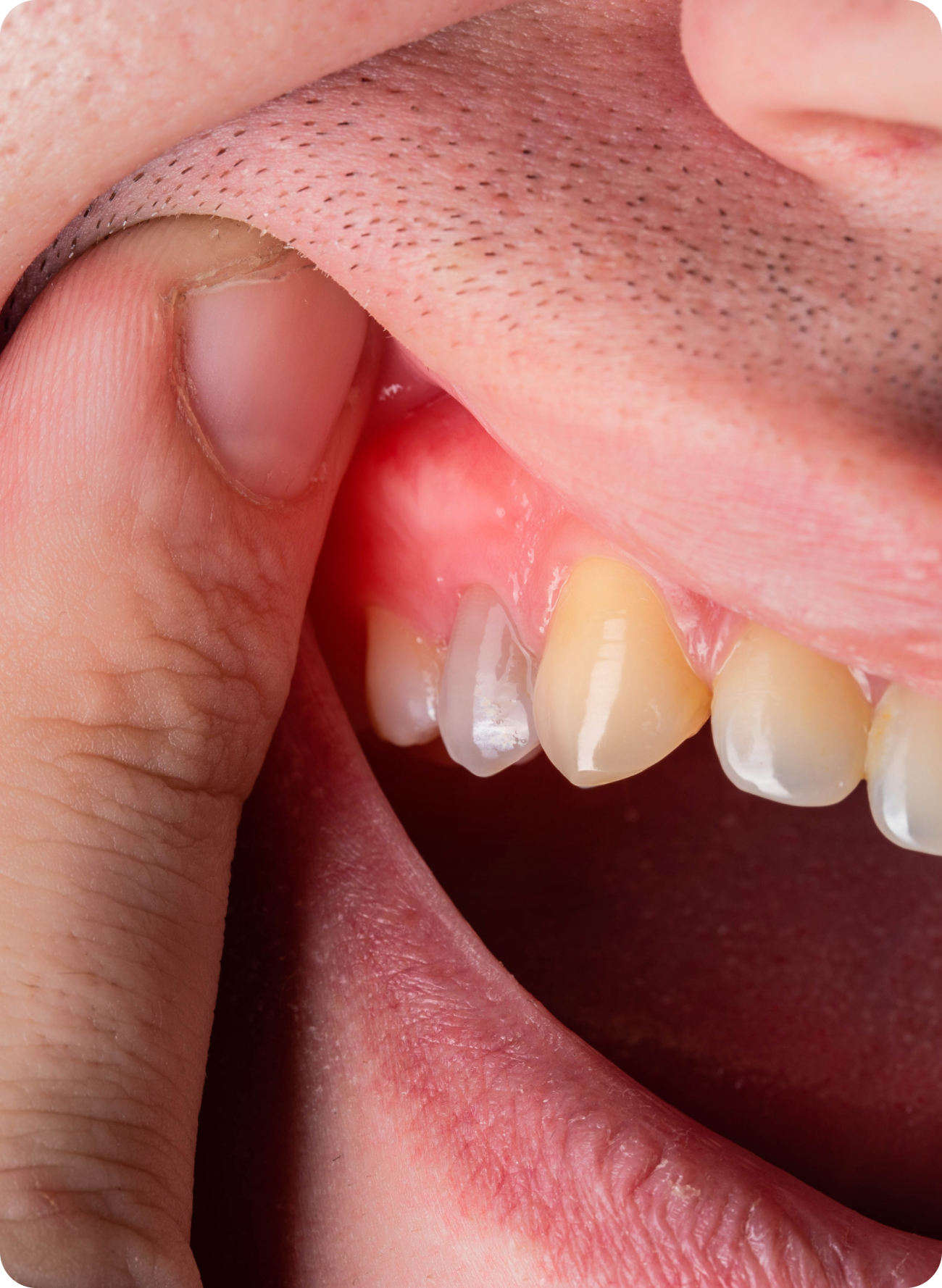
The most common cause is a dental abscess — a pocket of pus that forms when bacteria infect the tissue around the root of a tooth. As the infection grows, it can spread into the gum, the jawbone and the soft tissue of the face and neck. Your body raises its temperature to fight the bacteria. That fever is a warning signal, not a coincidence. It means the infection is active and progressing.
Symptoms that mean you need care today
Fever is the most important signal, but it rarely appears alone. The following symptoms alongside a toothache all point to an infection that needs same-day evaluation:
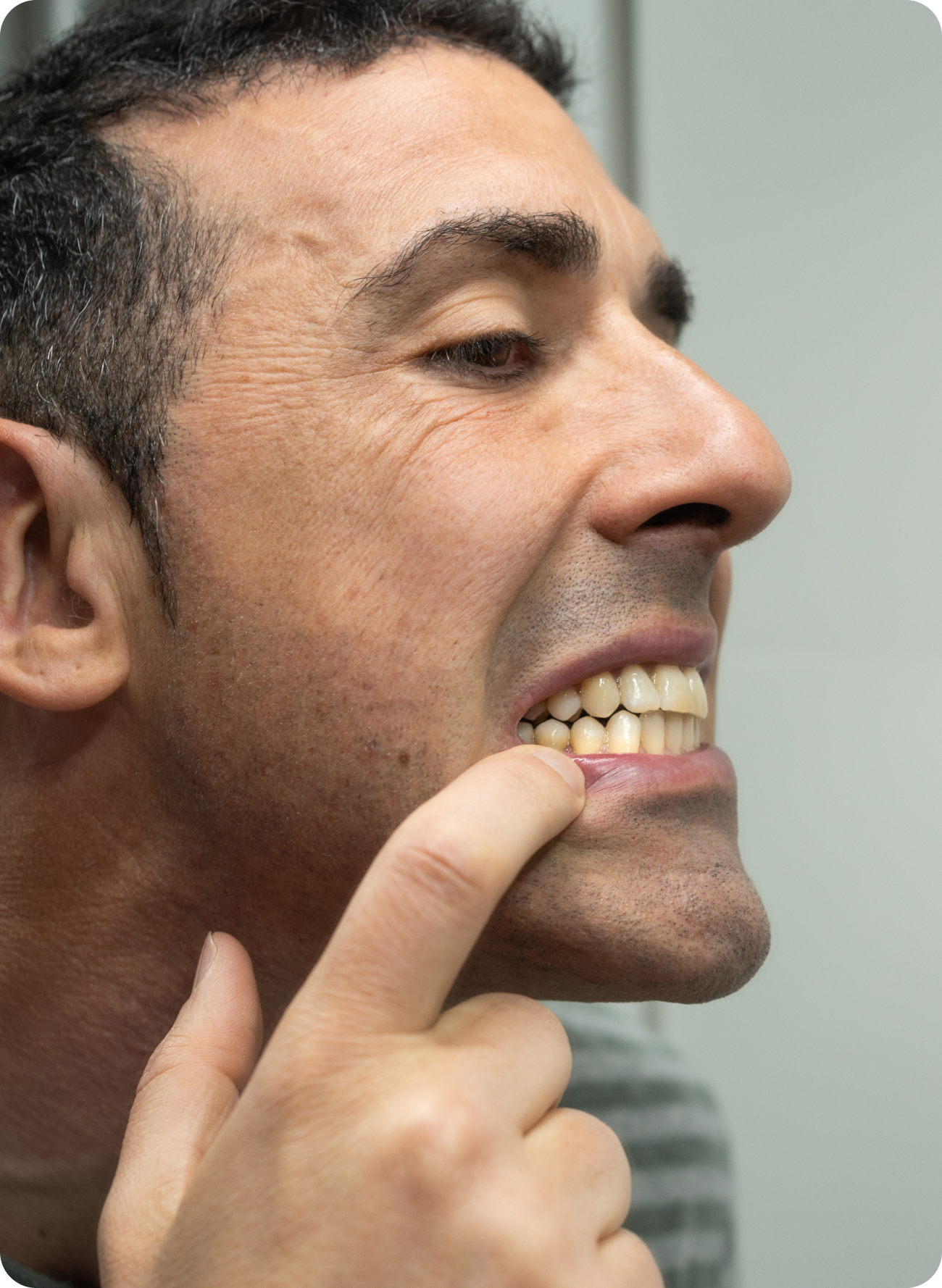
Throbbing pain that spreads to your jaw, ear, or neck
Headache or temple pressure (from infection spreading along facial nerves)
Visible swelling in your cheek, face, or jaw — especially if it appeared quickly
A pimple-like bump on your gums near the aching tooth (the infection trying to drain)
Bitter or foul taste in your mouth (may signal the abscess is draining on its own)
Swollen or tender lymph nodes in your neck or under your jaw
Hot/cold sensitivity that lingers after the temperature is gone
Fever of 101°F (38.3°C) or higher
You do not need every symptom on this list to have a serious infection. Fever plus a throbbing toothache is enough to act on immediately.
When should I go to the ER instead of a dental office?
Most dental infections — even serious ones — are best treated by a dental provider. But certain symptoms mean you should skip the dental office and go directly to the emergency room:
Difficulty swallowing or breathing — this can mean the infection has spread to your throat or airway, which is life-threatening
Swelling that has moved into your neck or is closing your throat
A fever above 101°F (38.3°C) accompanied by confusion, extreme fatigue, or difficulty staying alert
Feeling confused, extremely weak or faint
These symptoms are rare, but they are serious. If any of them apply to you right now, call 911 or go to the nearest ER. According to the Cleveland Clinic, though uncommon, a mouth infection can spread to the brain and bloodstream — which is why these warning signs should never be ignored.1 For everything else — throbbing, swelling, fever, foul taste, a bump on the gums — your dental provider is the right first call.
Why does the pain sometimes stop on its own?
Sometimes the throbbing stops on its own, making it seem like the problem has resolved.
In reality, it usually has not.
As pressure builds inside an abscess, it can rupture and drain, temporarily relieving pain. But the infection remains active, and the underlying cause has not been treated.
If your toothache improves but you still have swelling, a fever or a foul taste in your mouth, the infection is likely still present, and you should be seen right away.
According to MedlinePlus, an untreated tooth abscess can spread to the jaw, neck and other parts of the body. In rare cases, the infection can even reach the brain.²
Why antibiotics alone will not fix this
Many patients hope antibiotics alone will clear the infection and solve the problem. While antibiotics can help slow the spread of bacteria and reduce symptoms such as fever and swelling, they cannot eliminate the source of a dental abscess.
A dental abscess forms inside or around the tooth, where antibiotics often cannot fully reach the infection. Without treating the source — through a root canal, drainage or, in some cases, extraction — the infection is likely to return after the antibiotics are finished.
Think of it this way: antibiotics can help control the infection, but they cannot remove the cause. The American Dental Association recommends treating dental abscesses at the source — not managing them with antibiotics alone.³
What to do right now while you wait
If you are waiting to be seen, these steps can help manage your discomfort in the meantime. They will not treat the infection, but they can make the wait more bearable:
Steps to manage discomfort while you wait
1. Rinse with warm salt water. Mix half a teaspoon of salt into eight ounces of warm water and rinse gently. This can reduce bacteria in the mouth and ease soreness temporarily.
2. Take over-the-counter medication. Ibuprofen (if you can take it) helps with both discomfort and fever. Follow the dosage instructions on the label.
3. Apply a cold compress. Hold a cold pack or a bag of ice wrapped in a cloth against the outside of your cheek for 15–20 minutes at a time.
4. Avoid very hot or very cold food and drinks. Both can intensify sensitivity around an infected tooth.
5. Do not press or poke the swollen area. This will not help and can push bacteria deeper into the tissue.
When to see your dental provider
If you have a fever and a toothache, you should be seen today.
Dental infections do not go away on their own. Without treatment, they can continue to spread and become more serious. The sooner the source of the infection is treated, the more likely it is that treatment will be simpler and less invasive. Even waiting a day or two can allow the infection to spread into the jaw, face or neck.
Many Aspen Dental locations offer same-day and walk-in appointments. During your visit, your Aspen Dental provider will examine the tooth, take any necessary X-rays and explain your treatment options before care begins, so you know what to expect every step of the way.
Is a toothache with fever an emergency FAQs
Can a tooth infection go away without treatment?
No. A dental abscess will not resolve on its own. The infection may seem to ease if the abscess drains, but the bacteria remain active and the source of the infection is still present. Without treatment, the infection will continue to spread. Professional care is the only way to fully resolve it.
Can a tooth infection cause headaches?
Yes. A dental abscess can cause referred pain that spreads to the head, temples, and jaw — making it feel like a headache or migraine. If you have a persistent headache alongside a toothache, especially with fever or swelling, it is likely connected to the same infection.
Can I use antibiotics I already have at home?
No. Taking leftover or unprescribed antibiotics is not recommended. The type, dosage and duration of antibiotics for a dental infection need to be matched to the specific situation. Using the wrong antibiotic — or an incomplete course — can make the bacteria harder to treat. Your provider will prescribe the right medication if antibiotics are part of your treatment plan.
How quickly can a tooth infection spread?
Dental infections can spread faster than most people expect — sometimes within hours to days. Infections that reach the jaw, neck or airway can become life-threatening quickly. This is why same-day care is strongly recommended when fever is present alongside a toothache.
What will my dental provider do when I come in?
Your provider will examine the affected tooth and surrounding tissue, take X-rays to see the extent of the infection and discuss your treatment options. Depending on the severity, treatment may include draining the abscess, a root canal to remove the infected pulp, or extraction if the tooth cannot be saved. Antibiotics may also be prescribed to help clear remaining bacteria. You will be walked through every step before treatment begins.
Sources
1Cleveland Clinic — Toothache: Symptoms, Causes & Remedies https://my.clevelandclinic.org/health/diseases/10957-toothache
2MedlinePlus (National Institutes of Health) — Tooth abscess https://medlineplus.gov/ency/article/001060.htm
3American Dental Association. Abscess. MouthHealthy. https://www.mouthhealthy.org/all-topics-a-z/abscess/