Last updated 06.19.2026
Tooth cracked to the root: Can it be saved?
A tooth cracked to the root may still be saved. Learn the warning signs, treatment options and when extraction may be necessary with Aspen Dental.

A tooth cracked to the root can sometimes be saved, but it depends on how deep the crack is and whether it extends below the gum line. The sooner the tooth is evaluated, the better the chances of successful treatment.
Cracks can allow bacteria to reach the inner part of the tooth, increasing the risk of infection and further damage. While some root-level cracks require extraction, many cracked teeth can still be treated and preserved when caught early.
What you'll learn in this article:
Cracks above the gum line are usually easier to treat than those below it
Discomfort when biting is often a sign the crack has reached deeper into the tooth
A root canal can often help save a severely cracked tooth
Delaying treatment increases the risk of infection and tooth loss
Extraction is typically a last resort when the crack cannot be repaired
Not all cracks are the same — surface craze lines rarely need treatment, while root fractures often do
If you think your tooth may be cracked, schedule an appointment with a dental provider as soon as possible. Early evaluation can help determine whether the tooth can be saved and what treatment options are available.
What "cracked to the root" actually means
A tooth has three main layers: enamel on the outside, dentin underneath, and the pulp at the center, which contains the tooth's nerve and blood vessels.
A crack can start on the chewing surface and extend downward toward the root, or it can begin in the root and spread upward. A crack that starts at the root is called a vertical root fracture.
Whether the tooth can be saved largely depends on how far the crack extends. Cracks that remain above the gum line are often treatable, even if they reach the pulp. Cracks that extend below the gum line or split the root are much more difficult to repair.
The five types of tooth cracks — and which ones are most serious
Not every crack is the same. Understanding the type of crack helps explain why some teeth can be saved and others cannot.
Craze lines
Tiny surface cracks in the outer enamel. These are extremely common and rarely need treatment beyond monitoring.
Fractured cusp
A piece of the chewing surface breaks off, often near a filling. A crown usually restores the tooth without a root canal.
Cracked tooth
A crack that starts at the chewing surface and extends toward the root. If caught before it reaches the pulp, a crown may be enough. If it reaches the pulp, a root canal is typically needed.
Split tooth
The tooth has separated into two distinct segments. Part of the tooth may sometimes be saved, but full preservation is rarely possible.
Vertical root fracture
A crack that begins at the root and travels upward. These are the most difficult to detect and often require extraction, though a tooth with multiple roots may be partially preserved by removing only the affected root.
Symptoms that point to a deep crack
Cracked teeth don't always announce themselves clearly. The discomfort can be easy to dismiss, especially early on.
What does a cracked tooth feel like?
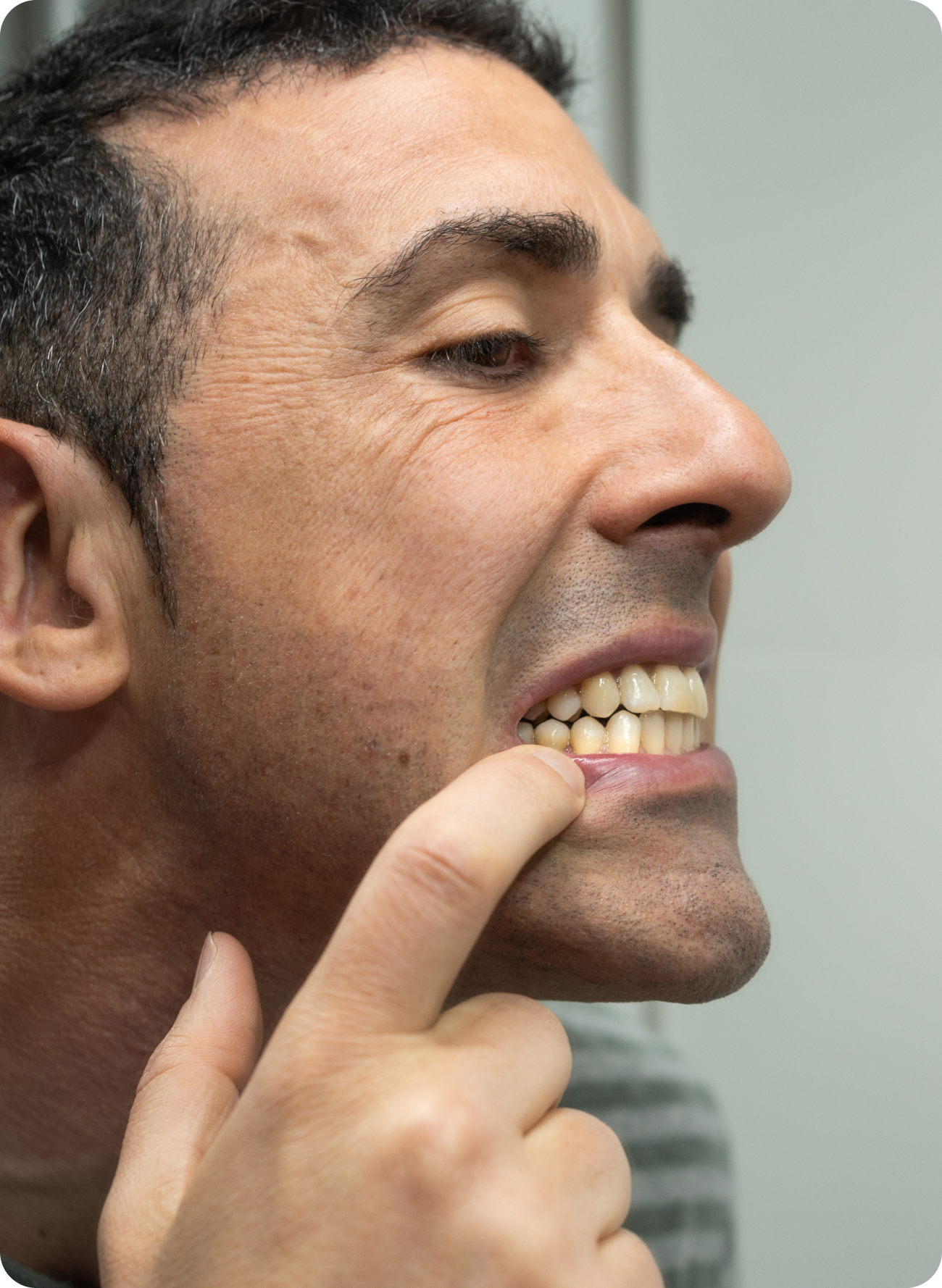
A cracked tooth often causes sharp pain when you bite down, followed by no pain at all a moment later. You may also notice sensitivity to heat or cold that lingers for more than a few seconds, or a dull ache deep in the tooth or surrounding gum.
What does swelling near the root mean?
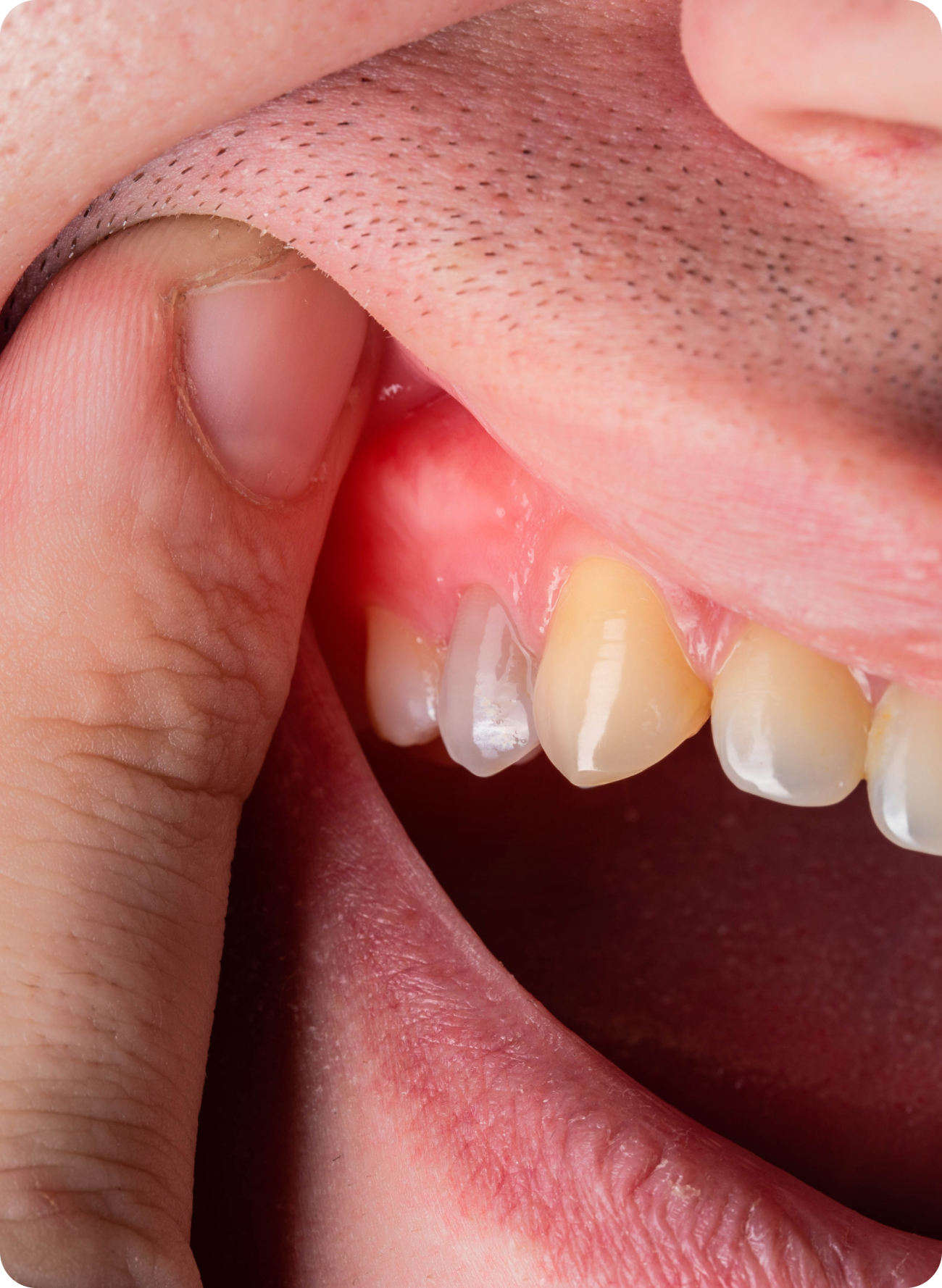
Swelling, tenderness, or a small bump on the gum near a tooth can be a sign that bacteria have entered through the crack and reached the root. This can lead to an infection that requires treatment and will not go away on its own.
It's also possible to have a cracked tooth with few or no symptoms. That doesn't mean the crack is harmless. It may not have reached the nerve yet, or the nerve may no longer be sending strong signals. Either way, the tooth should be evaluated before the damage worsens.
Can the tooth be saved? The key factors
There's no single answer that applies to every cracked tooth. Your dental provider will evaluate the crack based on several factors before recommending a treatment path.
Why does the location of the crack matter most?
A crack that runs vertically down the tooth but stays above the gum line can usually be treated with a root canal and a crown. The crown holds the tooth together and prevents the crack from spreading further.
A crack that extends below the gum line — into the bone — is a different situation. The further below the gum line it goes, the harder it is to seal and protect. In those cases, extraction may be the only option that prevents ongoing infection.
What happens when the crack splits the root?
A vertical root fracture starts in the root and spreads upward. These cracks can be difficult to detect because they are often hidden and may not appear clearly on X-rays. Symptoms may be mild and can include recurring soreness, swelling, or infections that keep coming back.
When a vertical root fracture is confirmed, the tooth often cannot be saved and may need to be removed. In some cases, however, a tooth with multiple roots can be partially preserved by removing only the damaged root. Your dental provider can determine the best approach based on the location and extent of the fracture.
Does a cracked tooth always need a root canal?
Not always. If the crack hasn't reached the pulp, a crown alone may be enough to protect the tooth and stop the crack from worsening. Your provider will use X-rays, a bite test, and sometimes a special dental dye to determine exactly how deep the crack goes before recommending treatment.¹
Does a cracked tooth always need to be pulled?
No — extraction is typically a last resort. Most cracked teeth can be treated with a crown, a root canal, or both, depending on how deep the crack goes. Extraction becomes necessary only when the crack extends too far below the gum line, splits the root completely, or has caused an infection that cannot be resolved.
Treatment options, from least to most involved
Treatment depends on how deep the crack is and whether the nerve has been affected.
Dental crown
For cracks that haven't reached the pulp, a crown is placed over the tooth to hold it together and protect it from further damage. This is the least invasive option and often the first line of treatment.
Root canal + crown
When the crack has reached the pulp, the nerve tissue needs to be removed to prevent infection. A root canal clears out the damaged tissue and seals the inside of the tooth. A crown is almost always placed afterward to restore strength and protect the treated tooth long-term.
Extraction
When the crack extends too far below the gum line or splits the root completely, the tooth cannot be saved. Extraction removes the source of infection and opens the door to replacement options like a dental implant or bridge.²
What happens if you wait
A cracked tooth cannot heal on its own — tooth structure does not regenerate. Left untreated, a crack can spread below the gum line, making treatment more complicated and potentially leading to extraction. Bacteria entering through the crack can cause an abscess at the root, turning a manageable root canal and crown into something far more complex.
Wearing a night guard, avoiding hard foods like ice or hard candy, and keeping up with regular checkups can help lower the risk — or catch a crack before it becomes more serious.
When to see a dental provider
If you suspect a crack has reached the root — or if you're experiencing any of the symptoms described above — don't wait to see if it improves. Early evaluation gives your dental provider the best chance to save the tooth. Even if the crack turns out to be more serious than expected, knowing your options quickly means you can make an informed decision before the situation becomes more complicated.
Visit an Aspen Dental office near you for an evaluation. Same-day and emergency appointments are available at many locations.
My tooth is cracked to the root. Can it still be saved? FAQs
Can a cracked tooth root heal on its own?
No. Tooth structure does not regenerate. Once a crack forms in the root, it will not close or repair itself over time. Without treatment, the crack typically worsens and the risk of infection increases. The only way to address a cracked root is through professional evaluation and treatment.
How do providers find a crack that isn't visible?
Some cracks are too small or too deep to see with the naked eye. Your dental provider may use a combination of tools: a special dental dye that seeps into fracture lines, a bite stick to pinpoint where the discomfort occurs, and digital X-rays or cone beam imaging to get a clearer picture of the root structure.
What is the difference between a craze line and a crack that needs treatment?
Craze lines are tiny surface cracks in the outer enamel. They are extremely common, usually cause no symptoms, and rarely require treatment beyond monitoring. A crack that extends into the dentin or pulp — or below the gum line — is a different situation and needs professional evaluation.
Can a tooth that's already had a root canal crack?
Yes. A tooth that has had a root canal is more brittle than a living tooth because the inner tissue has been removed. Without a crown to protect it, the tooth is more vulnerable to cracking under normal chewing pressure. If you have a root canal-treated tooth without a crown, ask your dental provider whether one is recommended.
How long does treatment for a cracked tooth take?
It depends on the treatment needed. A crown placement typically takes 1–2 appointments. A root canal followed by a crown may require 2–3 visits, depending on the complexity. Your dental provider will give you a clear timeline after evaluating the tooth.
Sources
¹American Association of Endodontists — Cracked Teeth: https://www.aae.org/patients/dental-symptoms/cracked-teeth/
²American Dental Association — Missing Teeth: https://www.mouthhealthy.org/all-topics-a-z/missing-teeth