Last updated 06.23.2026
Allergic to Novocaine? What dentists want you to know
Learn the difference between a true Novocaine allergy and a sensitivity, plus the safe numbing options available today.
True allergic reactions to Novocaine are extremely rare — affecting as few as 1 in 5,000 to 25,000 patients — and most people who report a Novocaine allergy can safely receive modern dental anesthetics. If you've been told you're allergic, you still have safe options for comfortable dental care.
What you'll learn in this article:
Novocaine is rarely used today — most dental procedures use different numbing medications¹
Most reported "Novocaine allergies" are actually reactions to epinephrine, preservatives, or anxiety
True Novocaine allergies are uncommon, and safe alternatives are available
Knowing whether you had an allergy or a sensitivity helps guide future treatment
A history of Novocaine allergy does not prevent you from receiving safe dental care
If you're not sure whether you've had a true reaction to Novocaine or how it may affect future treatment, your provider can review your history and help clarify which numbing options are safest for you.
Many people who think they have a Novocaine allergy actually don't
Most reactions to dental anesthetics are not true allergies. In many cases, the cause is sensitivity to epinephrine, anxiety-related symptoms such as lightheadedness or fainting, or a reaction to a preservative in the solution — not an allergic reaction to the numbing medication itself.²
This distinction matters because a true allergy and a sensitivity are managed differently. Understanding which type of reaction you had helps your provider choose the safest option for future treatment.
What is Novocaine, and is it still used?
Novocaine is the brand name for procaine, a numbing medication that was commonly used in dentistry years ago. Today, most dental offices use newer medications such as lidocaine, articaine or mepivacaine instead.
This matters because Novocaine and other newer medications belong to different drug families. If you're allergic to Novocaine, it does not automatically mean you'll react to lidocaine or other modern dental anesthetics.
Why do some people react to dental anesthesia?
Several different things can cause a reaction that feels like an allergy — but isn't. Here are the most common causes:
Epinephrine sensitivity
Most dental anesthetics contain a small amount of epinephrine to help the numbing last longer. Epinephrine can cause a racing heart, shakiness or lightheadedness. This is a normal physiological response, not an allergic reaction.
Vasovagal response
Anxiety about the injection can trigger dizziness, sweating or fainting. This is extremely common and has nothing to do with the drug itself.
Preservative sensitivity
Some anesthetic solutions contain preservatives — most commonly methylparaben or sulfites — that can cause reactions in sensitive individuals. These reactions are not true allergies to the anesthetic itself. Preservative-free formulations are available and are a straightforward solution for most patients with preservative sensitivity.
Overdose or toxicity
Receiving too much anesthetic can cause symptoms that mimic an allergic reaction.
A true allergic reaction — one involving the immune system — is rare.²
What a true Novocaine allergy looks like
A true allergic reaction to a local anesthetic involves the immune system and typically produces symptoms beyond the injection site. These reactions are uncommon but serious when they occur.
What symptoms suggest a real allergic reaction?
Signs that may indicate a true allergic reaction include:
Hives, rash or widespread itching
Swelling of the lips, tongue or throat
Difficulty breathing or wheezing
A sudden drop in blood pressure
Anaphylaxis (a severe, full-body reaction)
These symptoms typically appear within minutes of the injection. If you experienced any of these after a dental injection, tell your provider before your next appointment. Allergy testing with an allergist can confirm whether the reaction was a true immune system allergy (called an IgE-mediated reaction) or a sensitivity caused by something else in the solution.
What reactions are usually something else?
Reactions that are commonly mistaken for a Novocaine allergy include:
Heart racing or pounding (usually epinephrine)
Feeling faint or dizzy (usually vasovagal)
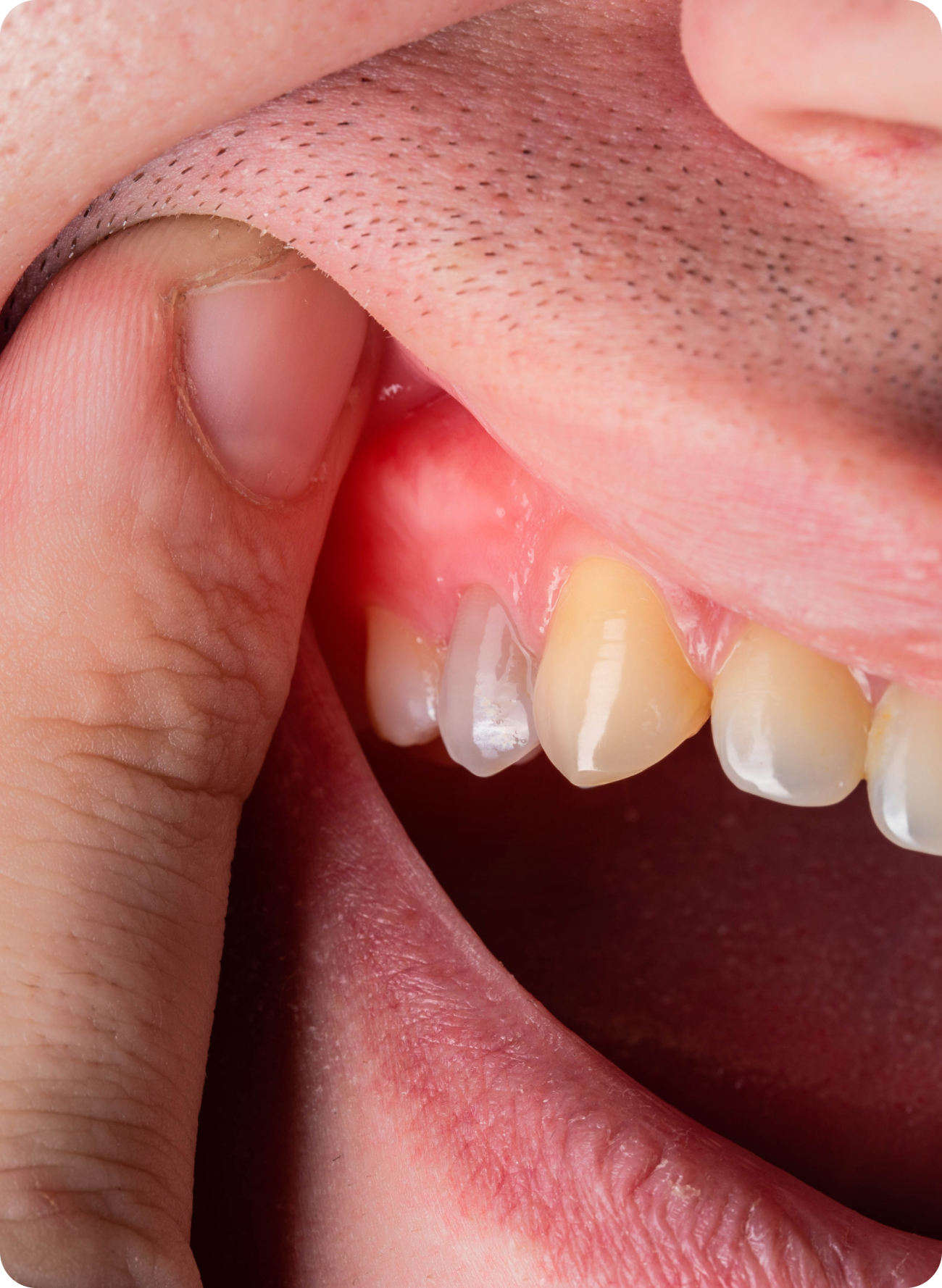
Localized swelling at the injection site (usually normal tissue response)
Nausea or lightheadedness (usually anxiety)
These are uncomfortable but not dangerous, and they don't mean you're allergic to the anesthetic.
What your dental provider may use instead
If you have a confirmed or suspected Novocaine allergy, your dental provider has several safe alternatives available. The most common are amide-type anesthetics, which work differently at the chemical level and do not cross-react with procaine.
What are amide anesthetics?
Amide anesthetics are the standard in modern dentistry. The most commonly used include:
Lidocaine — the most widely used dental anesthetic in the U.S.
Articaine — often preferred for procedures requiring deeper numbing
Mepivacaine — a good option for patients sensitive to epinephrine, as it's available without it
If your allergy is specifically to procaine (Novocaine), any of these can typically be used safely. Your provider will review your history and choose the most appropriate option.
What if you're sensitive to multiple anesthetics?
In rare cases, a patient may have sensitivities to more than one anesthetic. In these situations, your provider may:
Use a preservative-free formulation
Refer you to an allergist for skin testing to identify which drugs are safe
Use diphenhydramine (an antihistamine) as an injectable local anesthetic — a rarely needed but established option for patients with confirmed allergies to multiple anesthetic classes
Discuss sedation options such as nitrous oxide, oral sedation, or IV sedation, which reduce or eliminate the need for local anesthetic
Your dental provider will work with you to find a safe path forward — patients with complex allergy histories have options, and your care team is experienced in navigating them.
Now that you know safe alternatives exist, the most important thing you can do is give your dental provider the information they need to choose the right one for you.
How to prepare for your appointment
Telling your provider about your allergy history before your appointment is the most important step you can take. Come prepared with:
The name of the drug you reacted to, if you know it
A description of your symptoms and when they occurred
Any allergy testing results you have
A list of current medications, including antihistamines
If you've never had formal allergy testing, your provider may recommend seeing an allergist before elective dental procedures. This is especially helpful if your reaction was severe or if you're unsure which drug caused it.
When to see your dental provider
If you have a known or suspected Novocaine allergy, don't avoid dental care because of it. Most people with a Novocaine allergy can safely receive modern numbing medications without any issues.
Before treatment, let your provider know about any past reactions you've had. They can review your history, discuss the safest options and make sure you're comfortable throughout the procedure.
Getting answers ahead of time can make future dental care feel much less stressful. If you're concerned about a past reaction, your provider can review your history, discuss safe alternatives and help you feel comfortable before any treatment begins.
Allergic to Novocaine? What dentists want you to know FAQs
What should I do if I have a reaction during a dental appointment?
Tell your provider immediately if you experience hives, swelling, or difficulty breathing during a procedure. Dental offices are equipped to manage allergic reactions — they will stop the procedure, monitor your symptoms, and contact emergency services if needed. Mild reactions such as a racing heart or dizziness are common and usually resolve quickly once the injection is no longer active.
Can I get dental work done without any anesthesia if I'm allergic?
For minor procedures, some patients choose to proceed without local anesthetic. However, this is not necessary for most people with a Novocaine allergy, since safe alternatives are available. Sedation options can also reduce or eliminate the need for local anesthetics entirely.
Should I carry documentation of my Novocaine allergy to dental appointments?
Yes. Bringing written documentation — including the name of the drug you reacted to, your symptoms, and any allergy testing results — helps your provider make the safest choice quickly. If you have a confirmed allergy, ask your allergist for a written summary you can share at future appointments. A medical alert bracelet is worth considering if your reaction was severe.
Can children with a Novocaine allergy receive dental anesthesia safely?
Yes. The same amide-type alternatives used for adults are appropriate for children. Pediatric dosing is adjusted by weight. If your child has had a reaction to dental anesthesia, share the details with their provider before the next visit so the safest option can be selected.
Does epinephrine-free anesthesia work as well?
Epinephrine-free formulations are effective for most routine procedures. Epinephrine helps the numbing last longer and reduces bleeding, so its absence may mean the anesthetic wears off slightly faster. For longer procedures, your provider may adjust the approach accordingly. If you're sensitive to epinephrine rather than the anesthetic itself, an epinephrine-free option may resolve your reaction entirely.
Sources
¹Lidocaine (injection route) — Mayo Clinic. https://www.mayoclinic.org/drugs-supplements/lidocaine-injection-route/description/drg-20452273
²True Allergy to Amide Local Anesthetics: A Review and Case Report — National Institutes of Health, National Library of Medicine. https://pmc.ncbi.nlm.nih.gov/articles/PMC6022794/