

How much does a root canal cost?
Understanding root canal costs makes it easier to plan for the care you need.
A root canal helps save your natural tooth and can prevent more costly dental work later. At Aspen Dental, we keep treatment affordable with transparent pricing, flexible financing and care tailored to your needs.
Root canal cost varies depending on which tooth needs treatment, the complexity of the procedure and whether a crown is required afterward. Your Aspen Dental team will explain every step, and every cost, before you begin.
Cost of a root canal
On average, patients pay $949¹ for a root canal at Aspen Dental.
The final cost depends on your tooth type, the extent of infection and any additional restorative care.
Your provider will walk you through a clear estimate and help you understand your insurance
coverage or financing options before treatment starts.
¹This average price of a root canal is an approximation based on 2026 internal data and may not reflect the actual cost you will encounter due to individual factors.
Price range varies from $625 to $1,607. For location specific pricing, please click here.
What affects the cost of a root canal?
Every tooth — and every patient — is unique. Several factors influence the cost of a root canal, from tooth type to treatment complexity.
Tooth location and complexity
Front teeth cost less because they have one canal and are easier to reach. Back teeth (molars) often have three or four canals, which can increase cost and treatment time.
Severity of infection
Treating an infection early can help reduce your total cost. Delaying care can make the procedure more complex — and more expensive.
Restoration needs
Most root canals need a crown to protect the tooth after treatment. Crown costs are separate and vary depending on materials and tooth location.

Save on your root canal price today
Both new and returning patients can take advantage of our special offer and save 20%² on their dental services—including dental crowns.
²Not valid for previous or ongoing work and cannot be combined with other discounts or dental discount programs. Not valid on Basic or Classic dentures or orthodontia. Discount taken off usual and customary fees for general dentistry services and does not apply to services rendered by a specialist. Patients with insurance will receive either the 20% discount or insurance plan pricing, whichever discount is greater. Offer expires 12/31/26.
Root canal treatment costs and types
Different teeth require different approaches, affecting root canal cost and treatment time. Understanding the differences helps patients know what to expect. Each tooth type presents unique challenges that providers must navigate with precision and care.
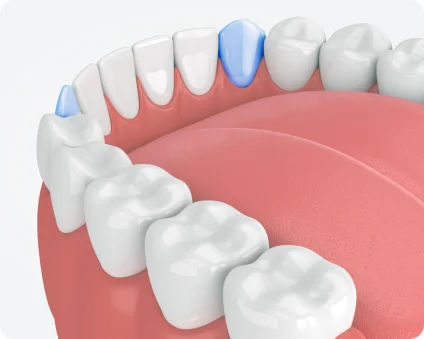
Anterior root canal (Front teeth)
These include incisors and canines, which typically have one canal and are the simplest to treat. Because they’re easier to access, they tend to cost less. Treatment usually takes about an hour. A crown may be recommended for protection, though some front teeth can be restored with a filling.
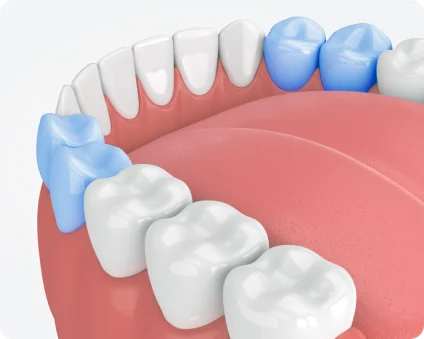
Premolar root canal (Bicuspids)
Located between front teeth and molars, premolars usually have one or two canals. Treatment often takes about 60–90 minutes. Because they handle chewing pressure, most premolars need a crown afterward to strengthen and protect the tooth.

Molar root canal (Back teeth)
Molars have three or four canals, making treatment more complex and typically more expensive. Procedures often take 90 minutes or longer. Since these teeth absorb the most chewing force, a crown is almost always needed after treatment to prevent fractures.

How much does a root canal cost with insurance?
Dental insurance can reduce out-of-pocket costs for root canals, though coverage varies by plan. The office submits claims directly to insurance companies and helps patients understand their coverage. Aspen Dental accepts most major insurance providers and helps you get the most from your benefits. Please note we do not accept Medicaid.
If you don’t have insurance, we still make care affordable through savings plans and flexible financing options.
Root canal cost without insurance
Everyone deserves quality dental care. Aspen Dental offers simple ways to manage root canal costs, even without insurance.
Aspen Dental Savings Plan³
Members save 10–30% on most services, including root canals. No deductibles, maximums, or claim forms. Just instant savings when you join.
³The Aspen Dental Savings Plan is NOT insurance. Please see the plan terms and conditions for details.
Flexible financing options
Spread payments over 6–24 months with third-party lenders. Many options include promotional no-interest periods for qualified patients.
Your Aspen Dental team discusses all payment options during your consultation. No patient should delay needed care due to cost concerns.
Are there any additional costs with a root canal?
Diagnostic X-rays– taken before and during treatment to guide care and confirm the infection is gone.
Temporary fillings – protect your tooth between visits during multi-step procedures.
Crowns – restore strength and prevent fractures after treatment.
Follow-up visits – check healing progress and may already be part of your estimate.
Medications or emergencies – antibiotics, pain relief, or urgent visits may add small costs.
Your local Aspen Dental team provides transparent pricing and a clear treatment plan before you begin. Ask about all potential costs during your consultation. Clarity is always part of your care.
Root canal cost FAQs
How much is a root canal at Aspen Dental?
Root canal cost varies by tooth, infection severity, and any needed restorations. Aspen Dental gives clear estimates before treatment and flexible ways to pay.
How does Aspen Dental keep your root canal payment plan affordable?
Coverage varies by plan. Aspen Dental checks your benefits before treatment and helps you understand out-of-pocket costs. Medicaid isn’t accepted.
No insurance? The Aspen Dental Savings Plan³ offers instant discounts on most services. Flexible financing options make it easier to get care when you need it.
How long do root canals last?
When properly cared for, root canals can last a lifetime. Your treated tooth will look and feel natural, and regular checkups help it stay that way. Crowns may wear over time, but the root canal itself is built to last.
Is a root canal worth it?
Saving your natural tooth prevents bone loss and bite issues that come with extractions. It’s a one-time investment that helps you avoid future dental costs and keeps your smile feeling natural.
What is the difference in cost of a tooth extraction vs. a root canal?
Extraction may seem cheaper at first, but replacing a missing tooth often costs far more in the long run. Implants and bridges can be expensive, depending on how many teeth are involved. A root canal saves your natural tooth and helps you avoid those added costs. Your dentist can help you determine the best long term investment for your dental and overall health.
Will I need a crown after my root canal?
After a root canal, most teeth need a crown for strength and protection. Back teeth take more bite pressure, while some front teeth may only need a filling. Your Aspen Dental dentist will recommend the best option to keep your tooth healthy for years to come.
What if I can’t afford a root canal?
Concerned about root canal costs? Aspen Dental can help. Save 10–30% on eligible services with the Aspen Dental Savings Plan³ , or choose flexible third-party financing options with monthly payments — some with no interest. We’ll help you find an option that fits your budget so you can get the care you need.
How painful is a root canal procedure?
A root canal today feels a lot like a filling, with anesthesia blocking pain so you only notice light pressure. Any soreness afterward is usually mild and fades quickly, as explained in our guide on how root canals feel. The procedure actually relieves the real discomfort by treating the infection.
What is the average cost of a root canal?
Root canal costs vary by tooth type and treatment needs. Front teeth are simpler and less expensive while molars cost more because they have multiple roots. If you need a crown, your total price depends on the crown material.
How do you know if you need a root canal?
Persistent pain, swelling, or sensitivity could mean you need a root canal. A darkened tooth, chewing pain or a small bump on your gum are also warning signs of infection. Don’t wait. Early care can ease pain, save your tooth and prevent bigger problems down the road.
How long is it safe to wait for a root canal?
Don’t wait too long to get a root canal. Delaying treatment can let infection spread, causing pain, tooth loss, or other complications. If you notice persistent pain, sensitivity, or swelling, see your Aspen Dental dentist soon. Early care saves your tooth and protects your oral health.
What are my options for a low cost root canal at Aspen Dental?
We make it easier for patients to get affordable root canals by offering transparent pricing, flexible third-party financing options, and special savings offers. We work with most dental insurance providers and accept most major dental insurance plans. Please note that we do not accept Medicaid.
Check with your provider to see what’s covered by your current plan.