Last updated 11.19.2025
What causes tooth loss in adults
Why adults lose teeth and how to replace them—implants, bridges, dentures—with expert care from Aspen Dental.
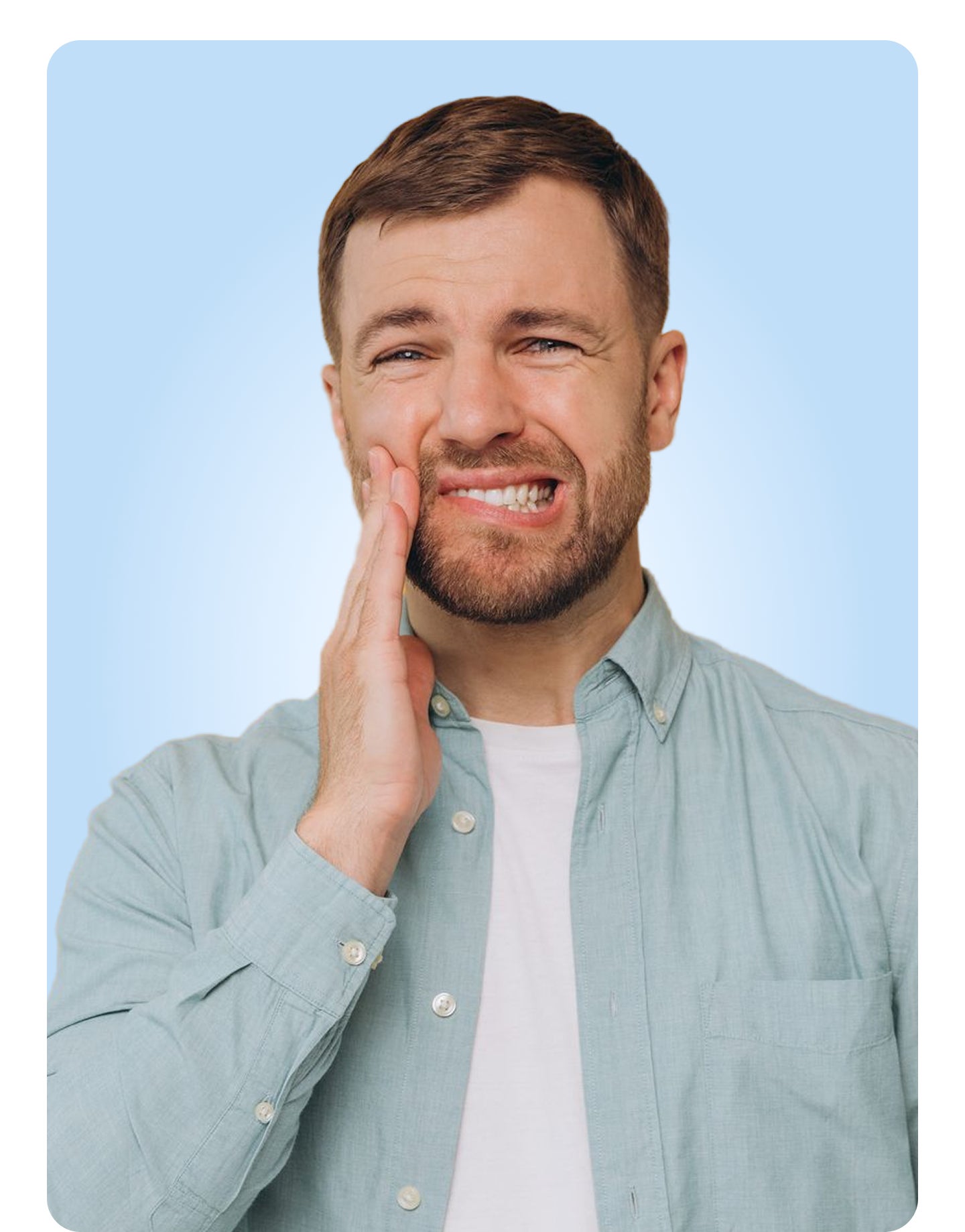
Tooth loss in adults often happens because of gum disease, decay, injury or other dental issues that damage the teeth and their supporting structures. A missing tooth can affect more than your smile. It can impact your appearance, confidence and how comfortably you eat.
Fortunately, modern tooth replacement options can restore your smile and help you feel like yourself again. Aspen Dental offers complete solutions designed to replace missing teeth, strengthen your oral health and bring back your confidence.
What causes adults to lose teeth?
Losing a permanent tooth can feel unsettling. Unlike baby teeth that fall out naturally, adult tooth loss signals that something went wrong. Understanding what causes tooth loss helps you protect the teeth you have and make informed decisions about treatment.
The most common causes of missing teeth include:
Gum disease (periodontal disease) – The leading cause of adult tooth loss
Severe tooth decay – Cavities or advanced decay that destroy too much tooth structure
Dental trauma – Accidents, falls or sports-related tooth injury
Failed root canals – When previous treatment doesn’t succeed
Cracked or broken teeth – Damage beyond repair
Gum disease slowly destroys the foundation that supports your teeth. Bacteria cause infection in the gums and jawbone, loosening teeth until they fall out or need extraction. Many people don’t realize they have periodontal disease until the damage is advanced.
Untreated cavities can also lead to tooth loss. A small cavity can progress to a lost tooth if dental care is delayed, making early detection key to prevention.
How does losing teeth affect my daily life?
Missing teeth affect more than your smile. The gaps they leave can make eating, speaking and even socializing more difficult over time.
When you lose a tooth, chewing can become painful or awkward. You might avoid your favorite foods or find it harder to eat nutritious meals. Hard fruits, vegetables and proteins can be challenging, which impacts your overall health and confidence.
Speech can also change when you have a tooth missing, especially in the front. Certain sounds become harder to pronounce, and you may feel self-conscious talking to others or smiling in photos.
The emotional impact of tooth loss runs deep. It’s common to smile less, cover your mouth when laughing or feel embarrassed in social settings. These feelings are completely normal, and restoring your smile can help rebuild confidence.
Physically, the gap in teeth causes nearby teeth to shift over time. This can lead to bite problems, jaw pain and even facial sagging. The longer you wait to replace missing teeth, the more complex treatment can become.
Can tooth loss be prevented?
In many cases, yes. The issues that lead to adult tooth loss, like gum disease and decay, develop gradually and can often be stopped with preventive care.
Regular dental visits at Aspen Dental help catch small problems before they become serious. Professional cleanings remove bacteria that cause gum disease, while exams detect tooth decay early when treatment is simple and effective. Prevention costs less and preserves more of your natural teeth.
Good home care makes a major difference. Brushing twice a day and flossing daily remove the bacteria that cause decay and gum inflammation. These simple habits help prevent permanent tooth loss.
Addressing dental issues early is key. Small cavities need fillings, not extractions. Early gum disease (gingivitis) can be reversed with treatment. Even cracked teeth can often be saved with crowns if caught in time.
Protect your teeth during sports or other activities, too. A custom mouthguard absorbs impact and helps prevent dental trauma or a tooth being knocked out.
With consistent care and regular checkups, you have more control over preventing tooth loss than you might think.
What happens to my jawbone when I lose a tooth?
Your jawbone relies on stimulation from tooth roots to stay healthy. When a tooth is missing, that stimulation stops, and the bone begins to weaken. This process, called bone resorption, can change your facial structure over time.
Bone loss starts soon after a tooth falls out. Your body recognizes the bone is no longer needed and gradually breaks it down. The process continues as long as the space remains empty, with the most bone deterioration happening in the first year.
This bone loss doesn’t just affect the missing area. Neighboring teeth lose bone support, leading to shifting teeth, bite problems and even changes in facial appearance. Over time, this can cause facial sagging and make you look older.
Replacing missing teeth quickly helps preserve jawbone health. Dental implants act like natural tooth roots, providing stimulation that helps prevent bone resorption. Other tooth replacement options, like bridges or dentures, help maintain space and support surrounding teeth, though they don’t prevent bone loss in the same way implants do.
What are my options for replacing missing teeth?
Modern dentistry offers several ways to replace a missing tooth or multiple missing teeth. Your care team at Aspen Dental will help you find the best tooth replacement option for your needs, lifestyle and budget.
Dental implants replace both the tooth root and crown, creating a natural-looking and long-lasting solution. A titanium post is placed in your jawbone to support a custom crown. Implants look, feel and function like natural teeth. With proper care, they can last a lifetime.
Dental bridges use nearby teeth to support a replacement tooth. Crowns are placed on either side of the gap with an artificial tooth attached between them. Bridges are a reliable option for replacing one or two adjacent teeth and
offer a permanent, fixed result.
Partial dentures replace several missing teeth in different areas of your mouth. They attach to remaining teeth with clasps and restore your ability to chew and smile with confidence. They’re also often more affordable than implants.
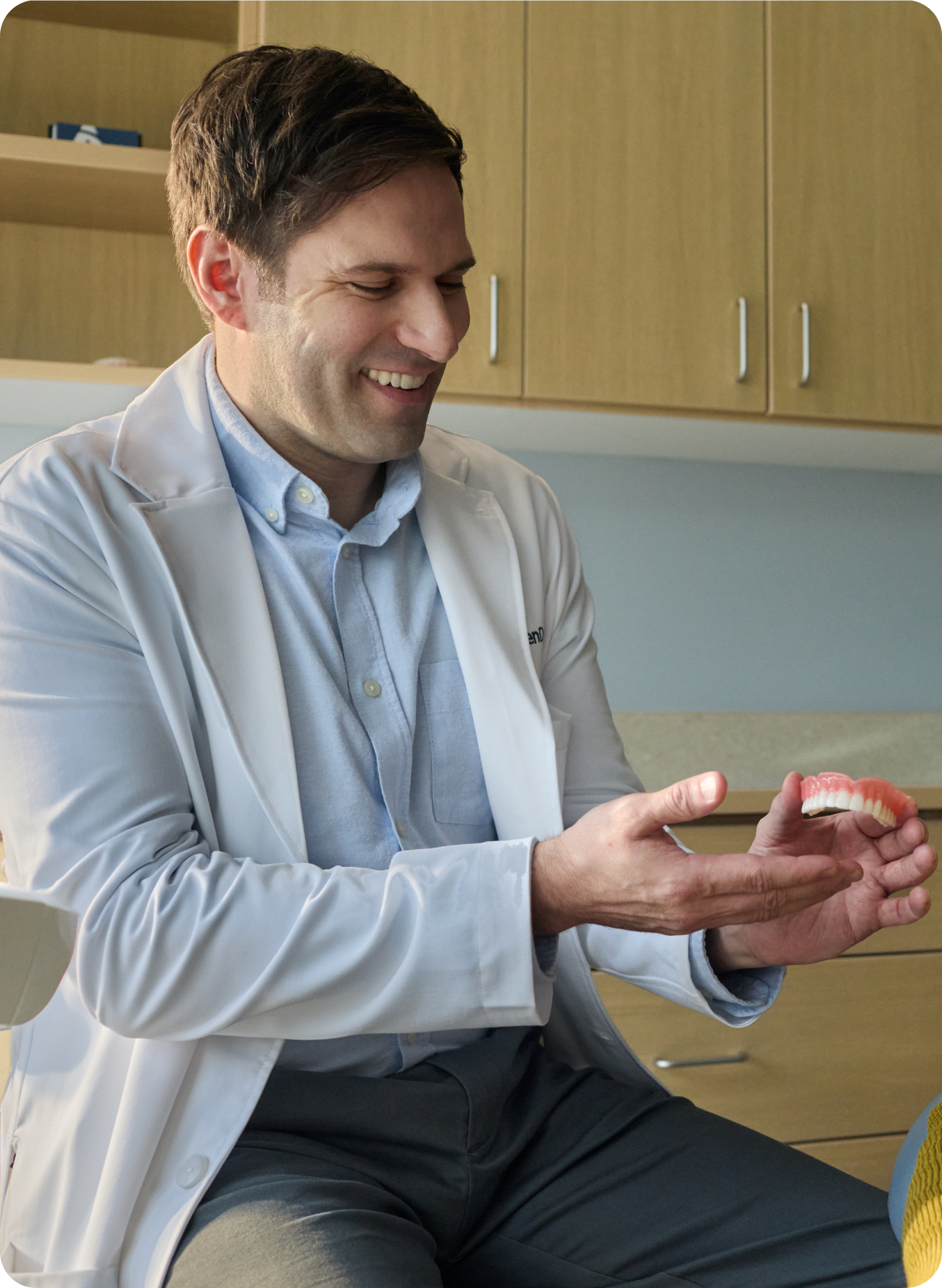
Full dentures (or complete dentures) replace all teeth in your upper or lower jaw. Modern dentures look natural and work well for eating and speaking, offering an economical option for widespread tooth loss.
Implant-supported dentures combine the stability of implants with the affordability of dentures. Several implants anchor the denture securely in place, providing improved comfort, stability and chewing ability.
At Aspen Dental, your dentist will examine your mouth, discuss your goals and recommend the most effective solution. Factors such as how many teeth you’ve lost, your bone health and your preferences all play a role in choosing the right option.
How soon should I replace a missing tooth?
The sooner, the better. Replacing a missing tooth quickly helps prevent bone loss, shifting teeth and other complications. The longer you wait, the more complex and costly treatment can become.
Immediate tooth replacement helps keep your jawbone strong by preventing bone resorption. It also stops neighboring teeth from drifting into the empty space, which can cause bite problems and alignment issues.
Acting quickly also helps you regain normal function faster. You’ll be able to speak, eat and smile without getting used to missing teeth or avoiding certain foods.
Restoring your smile brings emotional relief, too. You don’t have to hide your teeth or feel self-conscious about the gap in your smile. Getting your confidence back can have a lasting impact on your overall wellbeing.
Talk to your Aspen Dental dentist before or soon after a tooth extraction to plan your next steps. Acting early keeps your options open and helps guarantee the best outcome.
Insurance and costs
The cost of tooth replacement varies depending on which option you choose and how many teeth you need. Dental implants typically cost more than bridges or dentures, but they also last longer and help prevent bone loss.
Many dental insurance plans help cover part of the cost of tooth replacement. Benefits may apply to bridges, dentures or even dental implants, depending on your plan. The team at Aspen Dental will verify your coverage and provide a clear cost estimate before treatment so you understand your out-of-pocket expenses upfront.
We do not accept Medicaid.
If you don’t have insurance, flexible financing options are available through 3rd-party lenders. Monthly payment plans help make treatment affordable so you can restore your smile without delay, and 99% of patients are approved when they apply. Don’t let financial worries stop you from replacing missing teeth and improving your oral health.
When to schedule an appointment at Aspen Dental
Schedule an appointment as soon as you know you’ll lose a tooth or right after tooth loss Seeing your dentist early helps preserve bone, prevent shifting teeth and maintain your bite alignment.
Even if you’ve been living with missing teeth for years, it’s never too late to explore tooth replacement options. Advances in modern dentistry make it possible to restore your smile and confidence at any stage.
Seek immediate care if you experience pain, swelling or discharge from an empty socket. These may be signs of infection that need prompt treatment. The care team at Aspen Dental offers same-day and emergency appointments when needed.
Routine checkups and preventive care remain the best defense against tooth loss. Regular cleanings and exams catch early signs of gum disease, decay and other issues before they lead to permanent tooth loss.
Taking the first step toward replacing missing teeth brings relief, confidence and lasting results. You deserve to eat comfortably, speak clearly and smile freely again.
FAQs
Is it OK to not replace a missing tooth?
It’s not recommended. Leaving a missing tooth untreated can lead to bone loss, shifting teeth, bite problems and even facial sagging. While you can live with a tooth missing, it can impact your oral health and appearance over time.
How long can I wait to replace a missing tooth?
The sooner, the better. Bone loss begins within weeks after a tooth falls out and continues as long as the space stays empty. Replacing teeth early helps maintain your jawbone and alignment.
Which tooth replacement option lasts the longest?
Dental implants. With proper care, they can last a lifetime. Bridges usually last 5–15 years, while dentures may need replacement or relining every 5–7 years.
Will replacing my missing tooth hurt?
No. Your dentist uses local anesthesia to keep you comfortable during treatment. You might experience mild soreness afterward, but it’s temporary and easy to manage with over-the-counter medication.
Can I get a tooth replaced the same day it’s extracted?
In some cases, yes. Traditional bridges can sometimes be completed the same day, and partial denture patients may receive a temporary replacement right after extraction.
Does insurance cover tooth replacement?
Usually, yes. Many plans cover part of the cost of bridges, dentures or implants. The team at Aspen Dental will review your benefits with you and explain your coverage clearly. (Medicaid is not accepted at Aspen Dental offices.)
What if I can’t afford treatment right now?
Flexible financing and monthly payment options make it easier to start treatment without delay.
Will people be able to tell I have replacement teeth?
Not at all. Today’s dental restorations look incredibly natural. Implants, bridges and dentures are designed to match your natural teeth in color, shape and size for a seamless smile.