Last updated 04.09.2026
Tooth replacement for missing teeth
Explore options for replacing missing teeth and how they can restore comfort, function, and confidence.
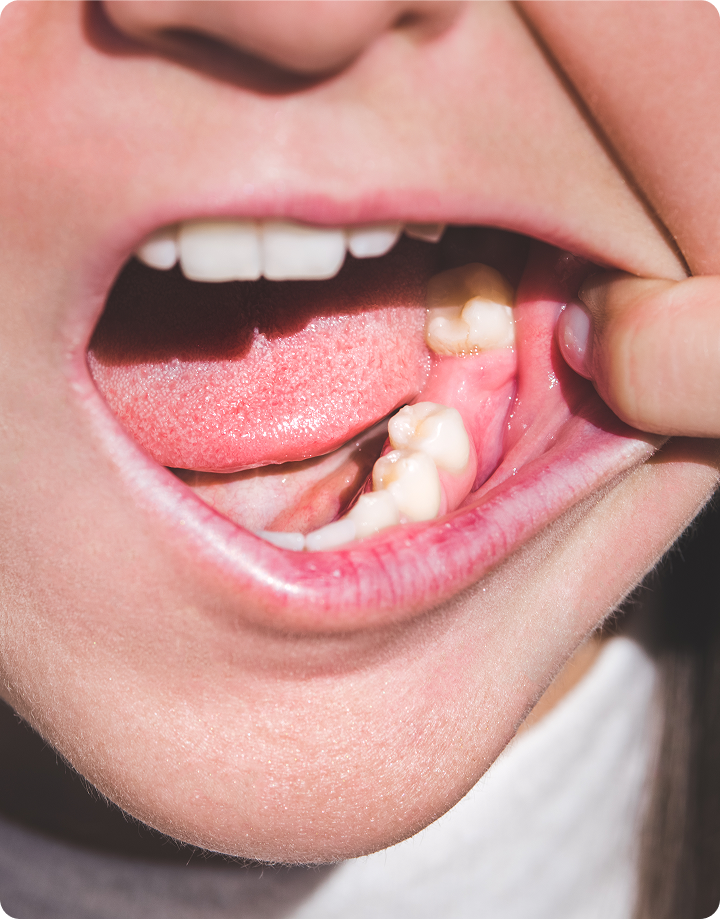
Missing teeth don’t have to disrupt your life. Whether it’s due to tooth decay, gum disease, aging or an accident, there are reliable ways to restore your smile. At Aspen Dental, we offer a wide range of trusted solutions designed to fit your life.
Dental implants provide a permanent solution that looks and feels like natural teeth, while dentures offer a removable solution and are available in full or partial solutions. We also offer dental bridges that serve as a fixed option to replace one or more missing teeth by anchoring to neighboring teeth.
These treatments are designed to help you eat, speak and smile with confidence again. Let us guide you toward the option that’s best for you.
Why it matters to replace missing teeth
Replacing missing teeth isn’t just about improving your appearance—it’s also essential to your overall health. When a tooth is missing, it can lead to several issues over time, including:
Shifting teeth: The surrounding teeth may move out of place, causing bite problems and misalignment.
Jawbone loss: The area where the tooth is missing can start to lose bone density, which can affect your oral health.
Chewing and speaking difficulties: Missing teeth can make it harder to eat certain foods or speak clearly.
Reduced confidence: Gaps in your smile can impact how you feel in social or professional settings.
With the right treatment, you can restore function, health and confidence.
So, which tooth replacement option is right for me?
Every smile is unique, and when it comes to tooth replacement, there is a type for you:
Full arch implants
Overview: Replacing a full row of teeth
Stability: 5 stars
Comfort level: 5 stars
Appearance: Looks and feels like real teeth
Dentures
Overview: Replacing most or all teeth
Stability: 4 stars
Comfort level: 4 stars
Appearance: Customized to your smile
Dental bridge
Overview: Replacing one or more missing teeth
Stability: 4 stars
Comfort level: 4 stars
Appearance: Blends with surrounding natural teeth
Single tooth implant
Overview: Replacing a missing tooth
Stability: 5 stars
Comfort level: 5 stars
Appearance: Looks like a natural tooth
How long do tooth replacements last?
Tooth replacements are designed to be durable, but their lifespan depends on the type of replacement and how well they are cared for. Here’s a breakdown:
• Dental implants: With proper care and maintenance, dental implants are made to last for 25 years, often even a lifetime.
• Dentures: The ADA recommends getting your dentures evaluated by a dentist for a replacement every 5-7 years.
• Bridges: Depending on the materials used, type (such as traditional tooth-supported bridges on natural teeth or implant-supported bridges) and maintenance, bridges typically last between 5–15 years and 25 years for implants.
What’s the best tooth replacement option for you?
The answer depends on your individual needs. Here are some questions to consider:
How many teeth are you replacing?
Whether it’s a single missing tooth, several teeth in a row or a full set, there’s an option that’s right for you. Your dentist at Aspen Dental will walk you through solutions like implants, bridges, crowns or dentures—so you can get back to eating, speaking and smiling with confidence again.
What’s your budget?
Tooth replacement solutions come in a wide range of price points to fit different needs. From more affordable options to long-lasting investments, we’ll help you understand the costs up front, explore insurance coverage, and review financing options designed to make care more manageable.
What matters most to you?
For some patients, comfort and durability are top priorities. For others, it’s ease of maintenance or a natural look that blends seamlessly with their smile. At Aspen Dental, we’ll help you weigh what’s most important so you can choose the option that best fits your lifestyle and goals.
What’s your oral health like?
Jawbone strength, gum health and your overall dental condition all play a role in which treatments are available to you. During your consultation, your Aspen Dental care team will assess your oral health, explain your options clearly and create a treatment plan personalized for you.
How much does tooth replacement cost?
Tooth replacement isn’t just a dental procedure—it’s an investment in yourself. It can mean eating your favorite foods again, speaking and laughing with ease and feeling fully confident in your smile.
Because every smile is unique, costs can vary based on:
The type of replacement
The materials used
Your personalized care plan (which may include additional treatments)
The best way to understand what your investment may look like is through a consultation at your local Aspen Dental office.
We make tooth replacement affordable to you
Most insurance accepted
Explore dental insurance plans we accept. We do not accept Medicaid.
$49 membership plan¹
No insurance? Start today with discounted care through our our membership plan.
99% of patients approved
Apply for 3rd-party financing in 3 easy steps.
¹The Aspen Dental Savings Plan is NOT insurance. Please see plan terms and conditions for details.
You have tooth replacement options for missing teeth
Explore leading options for every need and smile.
Implant dentures
Full implant solution. Our affordable full arch implants. Explore implant dentures >
Signature Elite
Full denture solution. Our most premium denture. Explore Signature Elite >
Single tooth implant
Single implant solution. Permanent single tooth solution. Explore single tooth implant >
Flexilytes Combo
Partial denture solution. Premium hybrid partial denture. Explore Flexilytes Combo >
Tooth replacement options for missing teeth FAQs
Will it hurt to replace my missing tooth?
At Aspen Dental, we typically use numbing agents to help minimize discomfort during treatment. After the procedure, some mild soreness or tenderness may occur, but this varies from person to person and can often be managed with over-the-counter pain relief if needed. It’s always best to consult with your dentist at Aspen Dental about what to expect and how to stay comfortable.
What can go wrong if I don’t replace a lost tooth?
Over time, a missing tooth can cause nearby teeth to shift out of place, leading to alignment issues and making chewing more difficult. This can also put additional strain on your remaining teeth. Additionally, the jawbone in the area of the missing tooth may start to shrink due to lack of stimulation, which can alter your facial structure. Gaps in your smile might also affect your self-confidence and how you feel about your appearance.
Can I leave with a new tooth the same day one is pulled?
At Aspen Dental, we make sure you never leave without your smile. On extraction day, we’ll send you home with a temporary denture. It keeps your smile full while your permanent restoration is being custom-made for you.
Will my insurance help pay for a new tooth?
Many insurance plans cover part of the cost of tooth replacement, but coverage can vary depending on your specific plan and the type of procedure. We’ll work with your provider to check your benefits and provide you with a clear, detailed estimate of what’s covered and what your out-of-pocket costs may be.
How do I keep my new teeth looking and feeling great?
Caring for your implants or dentures is easy. Brush twice a day, floss or clean around your implants daily, and visit your dentist regularly for routine cleanings and checkups. For dentures, soak them overnight in water or a denture solution. Avoid sticky, hard or overly crunchy foods that could cause damage. If you grind your teeth at night and permanent implants, ask your dentist about a custom night guard to protect your smile and maintain it for years to come.
For bridges and surrounding natural teeth, brush twice daily with a soft-bristled toothbrush and fluoride toothpaste to keep the bridge and surrounding teeth or implants clean. Use floss threaders or interdental brushes to clean under the bridge and between the supporting teeth or implants. For implant bridges, consider using a water flosser to effectively remove plaque around the implants