Last updated 04.14.2026
Why is there a loose gum flap behind my back tooth?
A loose gum flap behind a back tooth is often caused by a partially erupted wisdom tooth and can trap bacteria, leading to infection and swelling.
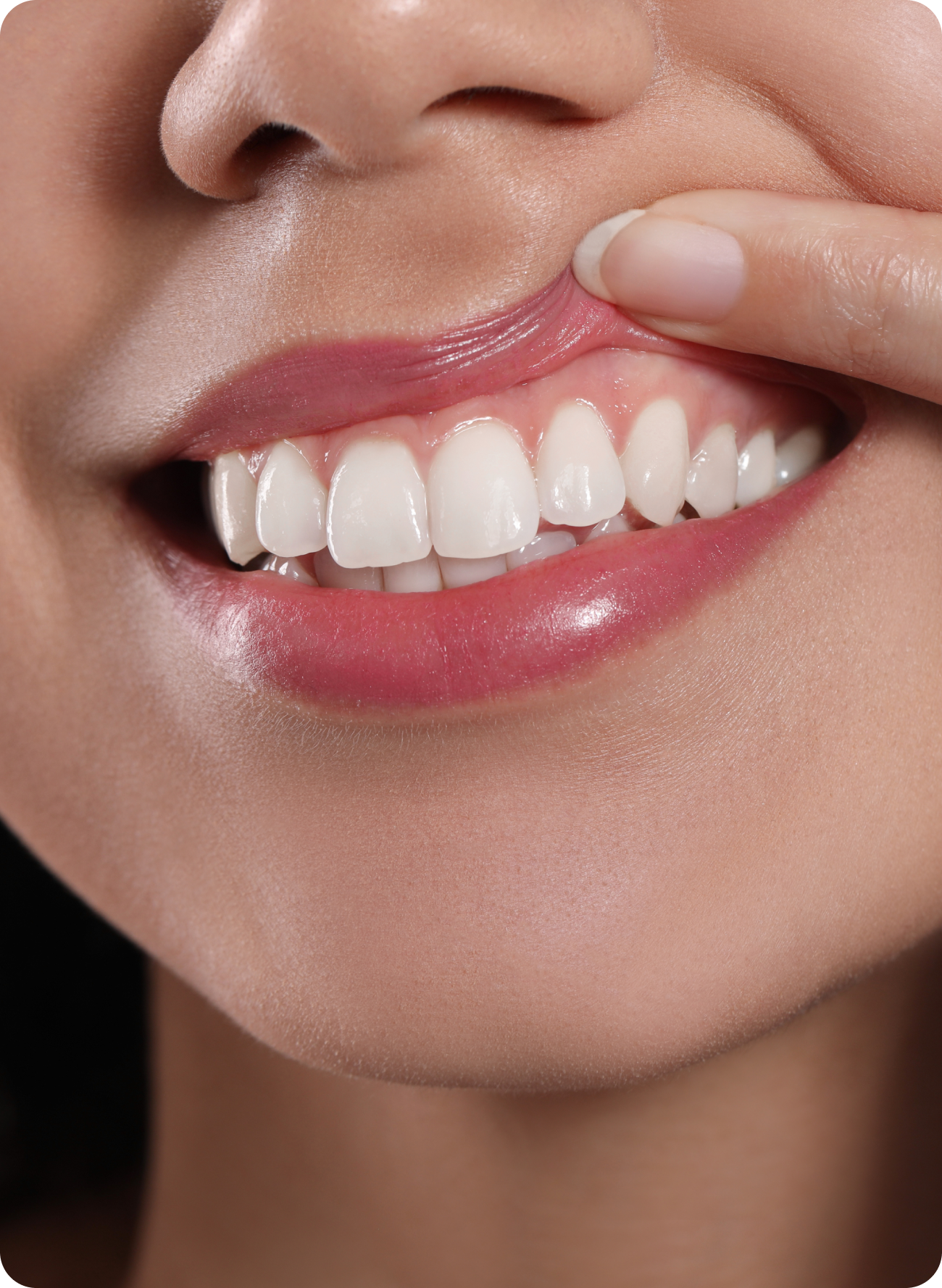
A loose flap of gum tissue behind a back tooth is often a sign that a wisdom tooth is only partially coming through the gums. This flap, called an operculum, can trap food and bacteria, making the area difficult to keep clean. As a result, the tissue can become irritated, swollen or infected — a condition known as pericoronitis. It is a common problem, especially for individuals in their late teens and twenties, and it often comes and goes before being properly treated.
What you'll learn in this article:
A loose gum flap behind a back tooth is usually caused by a partially erupted wisdom tooth.
Food and bacteria trapped under the flap can lead to pericoronitis, a gum infection that can cause significant discomfort.
Swelling that spreads, trouble swallowing or trouble breathing needs same-day care.
Cleaning the area or removing the wisdom tooth can help prevent future flare-ups.
If the area behind your back tooth keeps becoming sore, swollen or difficult to clean, that's often a sign the problem is not resolving on its own. A dental provider can determine whether you're dealing with pericoronitis, evaluate the wisdom tooth underneath and recommend the best way to prevent future flare-ups.
What is the gum flap behind your back tooth?
When a tooth only partially breaks through the gum, the surrounding tissue drapes over the exposed crown. That excess flap of tissue is the operculum.
It sits between the tooth and the inside of your cheek, and it is nearly impossible to clean properly. Food particles and bacteria collect underneath it every time you eat. Chewing presses the flap back and forth against the tooth. Over time, that constant irritation causes swelling — and if bacteria build up, a full infection can develop.
Why does this happen?
Wisdom teeth are the most common cause. They usually start coming in as a person enters their late teens or early twenties. By then, many people do not have enough room in their jaw for these back teeth to fully erupt. The tooth comes in partway, leaving a flap of gum tissue covering part of it. In some cases, the second molar just in front of the wisdom tooth can cause a similar problem if it grows in at an unusual angle and irritates the surrounding gum tissue. Pericoronitis most commonly affects people in their late teens and twenties, when wisdom teeth are most likely to erupt partially.1
Less often, a loose flap of gum tissue near the back of the mouth may be related to gum disease. When the gums become inflamed or infected, they can pull away from the tooth and create a space where bacteria collect. If the loose tissue is between teeth rather than behind a back tooth, tell your dental provider, as the cause and treatment may be different.
What does an infected gum flap feel like?
Not every gum flap causes symptoms right away. But when bacteria accumulate under the flap, the area becomes inflamed. And the shift from mild to serious can happen quickly.
Mild symptoms
Tenderness or achiness around your back teeth
Slight swelling in the gum tissue near the tooth
A persistent bad taste in your mouth or bad breath
Mild discomfort when chewing on that side
Symptoms that should not wait
The following suggest the infection has grown beyond the gum and needs same-day attention:
Throbbing or severe soreness in the jaw or surrounding area
Swelling that has spread to your cheek, jaw or neck
Difficulty opening your mouth fully
Trouble swallowing or breathing
Swollen or tender glands in your neck
Fever or chills
Pus or discharge coming from the gum
Untreated pericoronitis can spread to surrounding tissue. In rare cases, the infection can reach the floor of the mouth or the neck — a serious condition called Ludwig's angina.2 This is rare, but it is why serious symptoms should not be managed at home alone.
Can the gum flap go away on its own?
Mild flare-ups sometimes ease on their own, especially if the wisdom tooth continues to erupt and eventually comes in fully. But this is not something to count on.
If the tooth does not have enough room to come in completely, the flap stays. Bacteria keep collecting. The discomfort cycles back. Mild pericoronitis can become a more significant infection between one episode and the next — sometimes without much warning.
If symptoms have lasted more than a few days, or if this is not the first time the area has become sore, see your dental provider rather than waiting it out.
What can you do at home while waiting for your appointment?
Home care will not remove the flap or clear an active infection, but it can reduce irritation and discomfort until you are seen.
Rinse with warm salt water: Mix about half a teaspoon of salt in a glass of warm water. Gently swish for 30 seconds, three to four times a day. This helps flush debris from under the flap and reduce inflammation.
Use an alcohol-free antibacterial mouthwash: This can help control bacteria in the area without irritating already-sensitive tissue.
Clean gently around the area: A soft-bristled toothbrush or water flosser can help clear trapped food from around the flap. Do not probe or press on the flap with your fingers.
Take over-the-counter pain relief if needed: Ibuprofen or acetaminophen can manage discomfort. Follow the dosage on the packaging.
Chew on the opposite side: Reducing pressure on the inflamed area can limit irritation between meals.
These steps may ease symptoms in the short term, but they do not replace professional care — especially if you have any of the serious symptoms listed above, or if symptoms have lasted more than a few days.
How is pericoronitis treated?
Here is what that visit and treatment typically look like. Treatment depends on how irritated or infected the area has become.
For mild cases, your dental provider can clean under the gum flap to remove trapped food, bacteria and debris. You may also be prescribed an antibacterial rinse or antibiotics, if an infection is present. Most people start feeling better within a few days. If the problem keeps coming back, your provider may recommend removing the flap of gum tissue. This helps keep the area cleaner and makes it easier to brush and floss.
If the wisdom tooth is impacted, growing at an angle or does not have enough room to come in properly, removing the tooth is often the best long-term solution. This removes the source of the problem and helps prevent future infections in the area.
When to see your dental provider
If you have noticed a gum flap and the area has been sore, swollen or repeatedly uncomfortable, do not wait for it to resolve on its own. Visit an Aspen Dental office near you for an evaluation. Your provider can assess the area, confirm whether there is an active infection and recommend the right treatment. Catching and treating pericoronitis early nearly always means simpler treatment and faster relief.
Why is there a loose gum flap behind my back tooth FAQs
How long does pericoronitis last with treatment?
With professional treatment, most patients notice significant improvement within 2–3 days. Full resolution typically takes 1–2 weeks. Without treatment, symptoms often linger longer and may worsen between episodes.
What is an operculectomy and what does it involve?
An operculectomy is a minor outpatient procedure to remove the excess gum flap. Your dental provider will numb the area with a local anesthetic first, so you should not feel pain during the procedure itself. Most patients experience mild tenderness for two to three days afterward, which usually responds well to over-the-counter pain relief. The procedure typically takes around 15 to 30 minutes.
Will the gum flap come back after treatment?
If the flap is removed through an operculectomy, and the tooth eventually erupts fully, the condition is unlikely to return. If the tooth stays partially erupted without further intervention, recurring flare-ups are common. An operculectomy or tooth removal offers more lasting relief for teeth that will not erupt on their own.
Is it normal to have a gum flap with no discomfort at all?
Yes. An operculum can form without causing immediate soreness or swelling — especially in the early stages of wisdom tooth eruption. But even an asymptomatic flap can become infected quickly. If you notice a flap behind a back tooth, mention it to your dental provider at your next visit so they can monitor it before symptoms develop.
Can a loose gum flap be a sign of gum disease rather than a wisdom tooth?
Yes. While a partially erupted wisdom tooth is the most common cause, a loose flap of gum between back teeth can also be an early sign of gum disease. When gums begin to separate from the teeth due to infection or inflammation, they can form a pocket that traps bacteria — sometimes creating a loose, flap-like appearance. If the tissue is between teeth rather than behind them, mention this to your dentist. The evaluation and treatment approach for gum disease differs from pericoronitis.
Sources
1Cleveland Clinic. Pericoronitis: Symptoms, Causes & Treatment. Updated April 2026. https://my.clevelandclinic.org/health/diseases/24142-pericoronitis
2Cleveland Clinic. Ludwig's Angina. Reviewed by Cleveland Clinic medical professionals. Accessed July 10, 2026. https://my.clevelandclinic.org/health/diseases/23457-ludwigs-angina