Last updated 03.17.2026
Florida fluoride changes: what it means for your teeth
Florida fluoride changes explained: what it means, ways to protect teeth, tips for kids, and when to book a checkup.
Some Florida communities are changing how fluoride is used in public water systems. Fluoride has long been used to help reduce tooth decay across communities.
If your local water supply changes, there are still simple, effective ways to protect your teeth at home and with your care team.
What is changing in Florida?
Florida is one of the states moving away from community water fluoridation, effective July 1, 2025. This means some municipal water systems may no longer add fluoride.
Fluoride has been used in public water to help strengthen enamel and reduce the risk of cavities. Without it, some people may need to rely more on daily habits and professional care to support their oral health.
The good news is that proven tools like fluoride toothpaste, anti-cavity rinse and regular dental visits continue to support strong, healthy teeth.
How could this affect your oral health?
Fluoride helps protect enamel from acids that can lead to tooth decay. When fluoride levels change, some people may have a higher risk of cavities.
This may be especially important for:
Children and teens
People with dry mouth
Those who snack frequently or consume sugary foods and drinks
The key takeaway is simple: small, consistent habits can help reduce this risk.
Simple ways to protect your teeth
Daily care at home
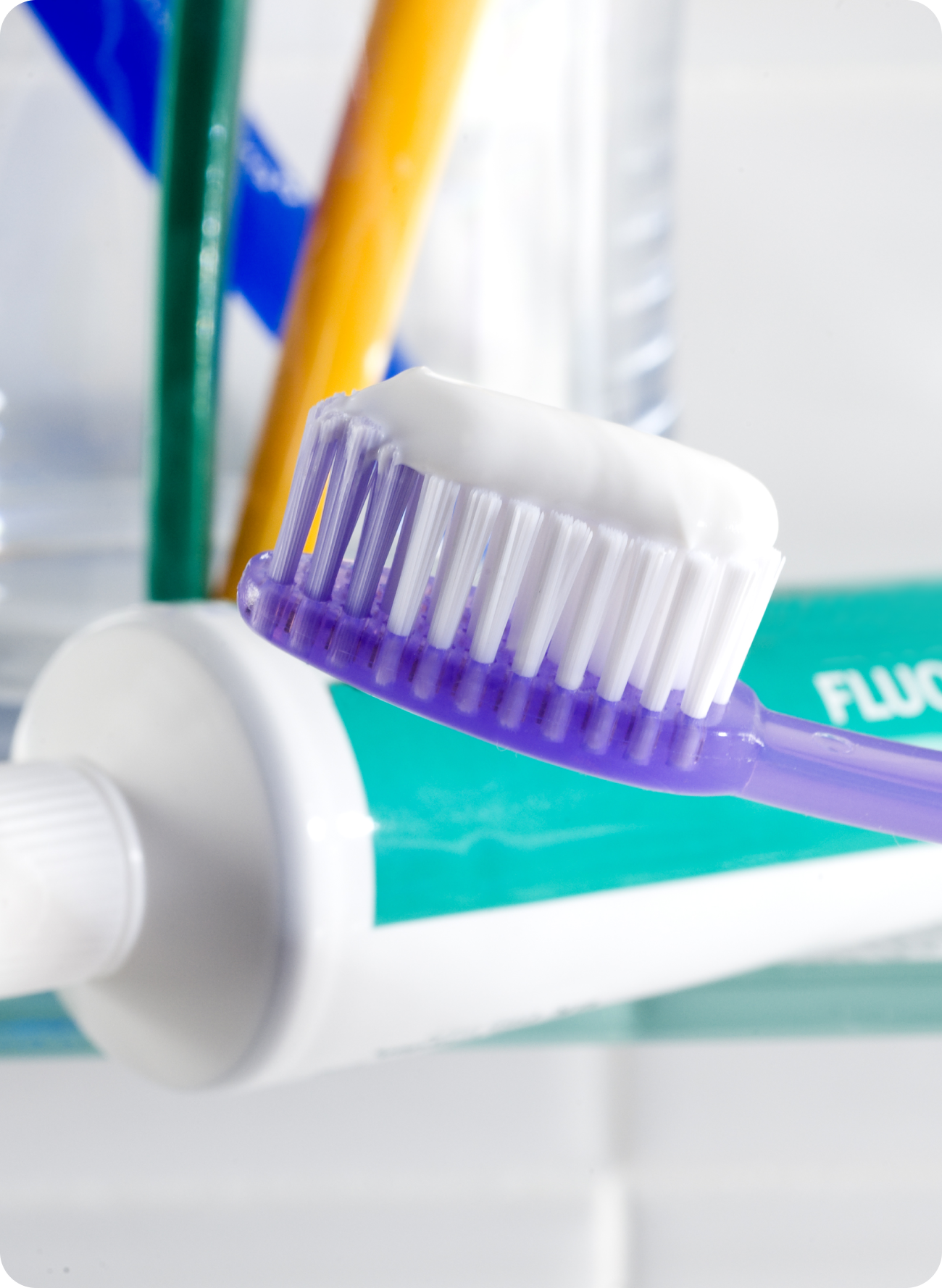
Brush twice a day for two minutes using fluoride toothpaste
Use an anti-cavity rinse once a day at a different time than brushing¹
Limit sugary snacks and drinks between meals
Drink water after eating to help clear food and acids
Replace your toothbrush every three months or when bristles wear down
Support from your care team
Schedule regular cleanings and checkups, typically every six months
Ask about professional fluoride treatments if you may be at higher risk
Share any changes, like sensitivity or white spots, with your care team early
Ask about additional home care options if you have a history of cavities
Tips for kids and teens
Use a rice-sized amount of toothpaste for ages 2–5 and a pea-sized amount for ages 6+
Ask about fluoride treatments and sealants for back teeth
Encourage drinking water after meals and snacks
Help build a consistent brushing routine, morning and night
How to check your local water
Many city or utility websites publish water quality reports that include fluoride levels.
Health experts often recommend a level of about 0.7 mg/L (ppm) for community water². If your local levels are lower, it may be helpful to focus more on daily fluoride use and preventive care.
Filters, bottled water and travel
Not all water sources are the same.
Some household filters reduce taste and odor but may not change fluoride levels. Others may reduce fluoride depending on the type of filter.
Bottled water also varies, and many options contain little or no fluoride.
If you travel between areas, keeping a consistent daily routine with brushing and rinsing helps support your oral health wherever you are.
Common questions about fluoride changes
Myth: If fluoride levels change, cavities are unavoidable
Fact: Daily care and regular dental visits help lower your risk
Myth: Kids should avoid fluoride if water is not fluoridated
Fact: Fluoride toothpaste, treatments and sealants are commonly recommended for children
Myth: All water filters remove fluoride
Fact: Many do not. Check your specific filter to understand how it works
When to schedule a dental visit
It may be time to schedule a visit if you notice:
New sensitivity to cold or sweets
White or chalky spots on your teeth
Bleeding gums or changes in your mouth
Early care can help address concerns before they become more involved.
Your Aspen Dental care team can walk you through next steps, explain your options and help you build a plan that fits your needs.
If cost is a concern, ask about flexible payment options and financing.
Medicaid is not accepted at Aspen Dental offices.
Florida fluoride changes FAQs
What do Florida fluoride changes mean for me?
Some communities may have lower fluoride levels in their water. You can still protect your teeth with fluoride toothpaste, a daily rinse and regular dental visits.
How can I protect my teeth without fluoridated water?
Focus on consistent daily care. Brush with fluoride toothpaste, use a rinse, limit frequent snacking and keep up with routine dental visits.
Is fluoride toothpaste still recommended?
Fluoride toothpaste is commonly recommended to help strengthen enamel and reduce cavities. Use age-appropriate amounts and avoid swallowing.
What should parents do for their children?
Help children maintain a daily routine with brushing and flossing. Ask about fluoride treatments and sealants during dental visits.
Are professional fluoride treatments helpful for adults?
They may be helpful for patients with higher risk, such as those with sensitivity or frequent cavities. Your care team can help determine what is appropriate.
Does bottled water provide enough fluoride?
Bottled water varies and often contains little or no fluoride. Daily brushing and professional care are more consistent ways to protect your teeth.
What signs should I watch for?
Watch for sensitivity, white spots or changes in your gums. If you notice anything new, schedule a visit with your care team.
How often should I schedule checkups?
Most patients benefit from visits every six months. Your care team may recommend a different schedule based on your needs.
Take the next step
Changes in fluoride levels may feel uncertain, but your next step can still be clear.
With the right daily habits and support from your Aspen Dental care team, you can continue to protect your teeth and move forward with confidence.
Schedule an appointment today to talk through your oral health and what works best for you.