Last updated 03.31.2026
Facial swelling and tooth abscess: when to see a dentist
A dental abscess spreads fast. Home remedies won't cure it. Walk in for same-day emergency drainage at Aspen Dental.

A tooth abscess is a serious dental issue that needs professional care. If you notice a pimple-like bump on your gums, swelling in your face or a fever, it may be a sign of infection.
These symptoms should be evaluated as soon as possible to prevent the condition from becoming more complex. Aspen Dental offers same-day and walk-in appointments when available so you can be seen and understand your next steps.
Signs you may have a dental abscess
One common sign of an abscess is a pimple-like area on the gums. This may release fluid and have an unpleasant taste.
You may also notice ongoing throbbing discomfort that spreads to your jaw, neck or ear. Sensitivity to hot and cold and tenderness when chewing are also common.
Facial swelling can occur when the infection spreads into surrounding tissue. This swelling may come on quickly and can cause the area to feel warm or appear enlarged.
Facial swelling from a tooth abscess: when it needs attention
Swelling in your face, cheek or neck can be a sign that the infection is spreading beyond the tooth.
If you notice swelling, it’s important to have it evaluated as soon as possible. Applying a cold compress to the outside of your cheek may help manage swelling until you can be seen. Avoid applying heat, as this may make the swelling worse.
If swelling affects your ability to breathe, swallow or see clearly, seek emergency medical care right away.
For dental-related concerns, your Aspen Dental care team can evaluate the tooth and recommend appropriate treatment to address the source of the issue.
Why timely care matters for a dental abscess
Delaying care can allow the infection to spread to nearby areas, including the jaw and surrounding tissue.
Even if discomfort improves, the infection may still be present. A dental exam and imaging can help determine what is happening and what treatment may be needed.
Antibiotics may help manage bacteria, but dental treatment is often needed to address the source of the infection.
Aspen Dental provides care for conditions like this through treatments such as root canal therapy or extraction, depending on your situation.
What to expect during emergency abscess treatment
During your visit, your care team will evaluate the area and identify the source of the infection.
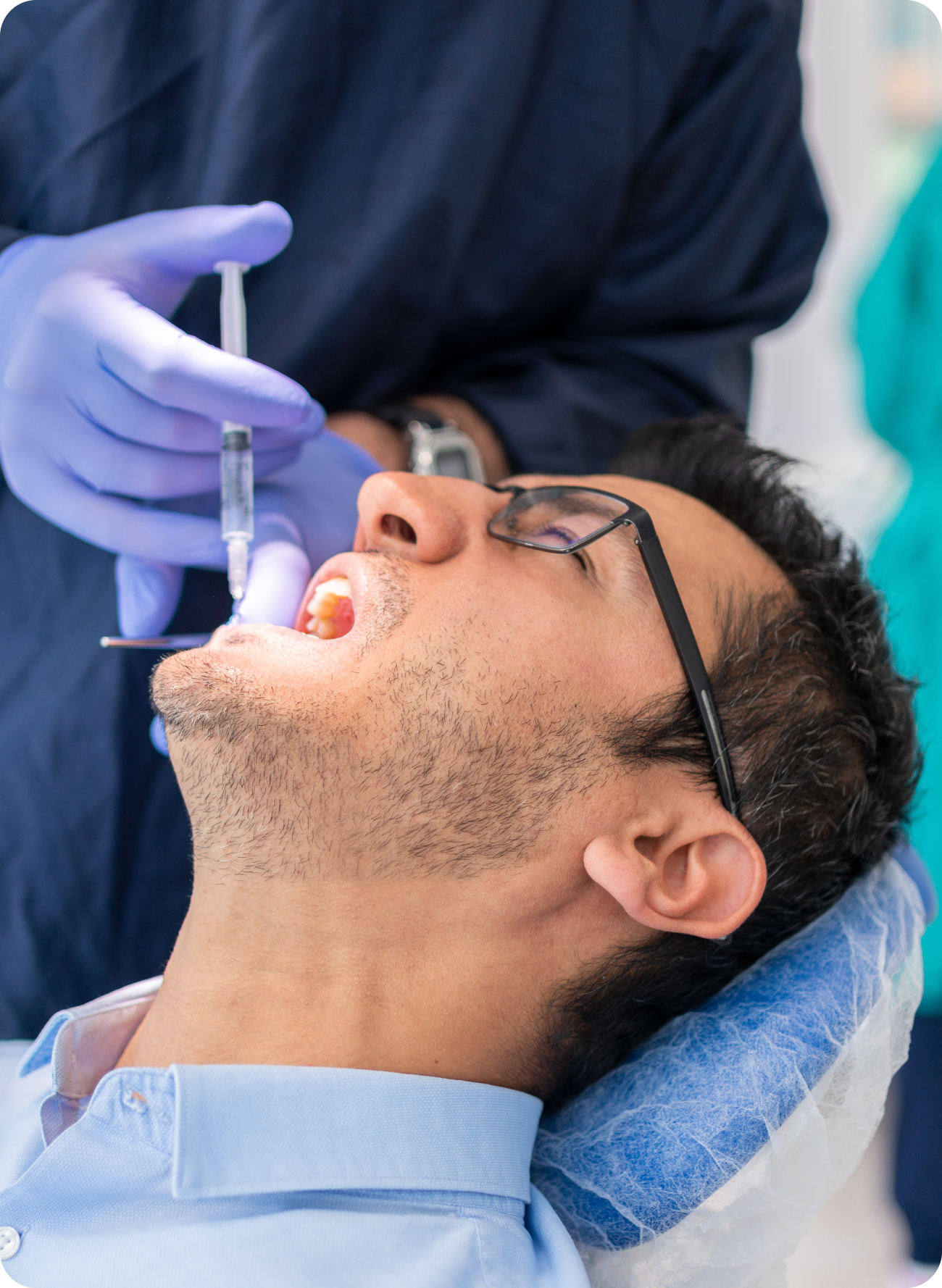
Treatment may include draining the abscess to relieve pressure and help the area heal. Your provider may also recommend antibiotics if needed.
In many cases, a root canal may be used to treat the inside of the tooth and preserve it. If the tooth cannot be saved, an extraction may be recommended.
Your Aspen Dental care team will explain your options and help you understand what comes next.
Can an abscess be treated at home?
Home care may help manage symptoms temporarily, but it does not remove the infection.
Rinsing with warm salt water or using over-the-counter pain relievers may provide short-term comfort. However, these steps do not treat the underlying issue.
If swelling or discomfort continues, it is important to be seen by a dental professional.
¹American Dental Association. New guideline details acute pain management strategies for adolescent, adult dental patients. https://www.ada.org/about/press-releases/new-guideline-details-acute-pain-management-strategies-for-adolescent-adult-dental-patients
Cost and payment options for abscess treatment
Unexpected dental care can bring questions about cost.
Aspen Dental provides clear pricing before treatment begins so you understand your options. Many dental insurance plans may cover part of the treatment. Please note, Aspen Dental does not accept Medicaid.
If you have out-of-pocket costs, flexible financing options may be available. The Aspen Dental Savings Plan is also an option for patients without insurance.
The Aspen Dental Savings Plan is NOT insurance. Please see plan terms and conditions for details.
Emergency tooth abscess FAQs
Is a dental abscess considered an emergency?
A dental abscess should be evaluated promptly, especially if you have swelling, fever or ongoing discomfort. A dental provider can determine the right treatment.
When should I go to the ER for an abscessed tooth?
Seek emergency medical care if you have difficulty breathing, trouble swallowing or swelling that affects your eyes or neck.
Can I drain an abscess myself?
No. Attempting to drain an abscess at home can lead to complications. A dental professional should treat the infection in a controlled setting.
Will facial swelling go away on its own?
Swelling is usually a sign of infection and should be evaluated. Even if symptoms change, the underlying issue may still be present.
How fast can a tooth abscess spread?
Progression varies. Some infections develop quickly, while others take longer. Early evaluation helps reduce the risk of complications.
How long does it take to recover from a dental abscess?
Many patients begin to feel better after treatment. Healing time varies depending on the procedure and your overall health.
Will antibiotics cure a dental abscess?
Antibiotics may help manage infection, but they do not remove the source. Dental treatment is usually needed to resolve the issue.
Do you accept walk-ins for abscess treatment?
Many Aspen Dental offices accept walk-ins and offer same-day appointments when available. Calling ahead may help reduce wait time.
Take the next step
If you are experiencing swelling or signs of infection, getting an evaluation can help you understand what is happening and what to do next.
Your Aspen Dental care team can assess your symptoms, explain your options and help you move forward with care that fits your needs.
Schedule an appointment or contact your local Aspen Dental office to get started.