Last updated 01.16.2026
Dental Implants vs Bridges in San Antonio, TX with Dr. Patricia Beatrix Reyes
Dr. Patricia Beatrix Reyes helps San Antonio patients compare dental implants and bridges for permanent tooth replacement.
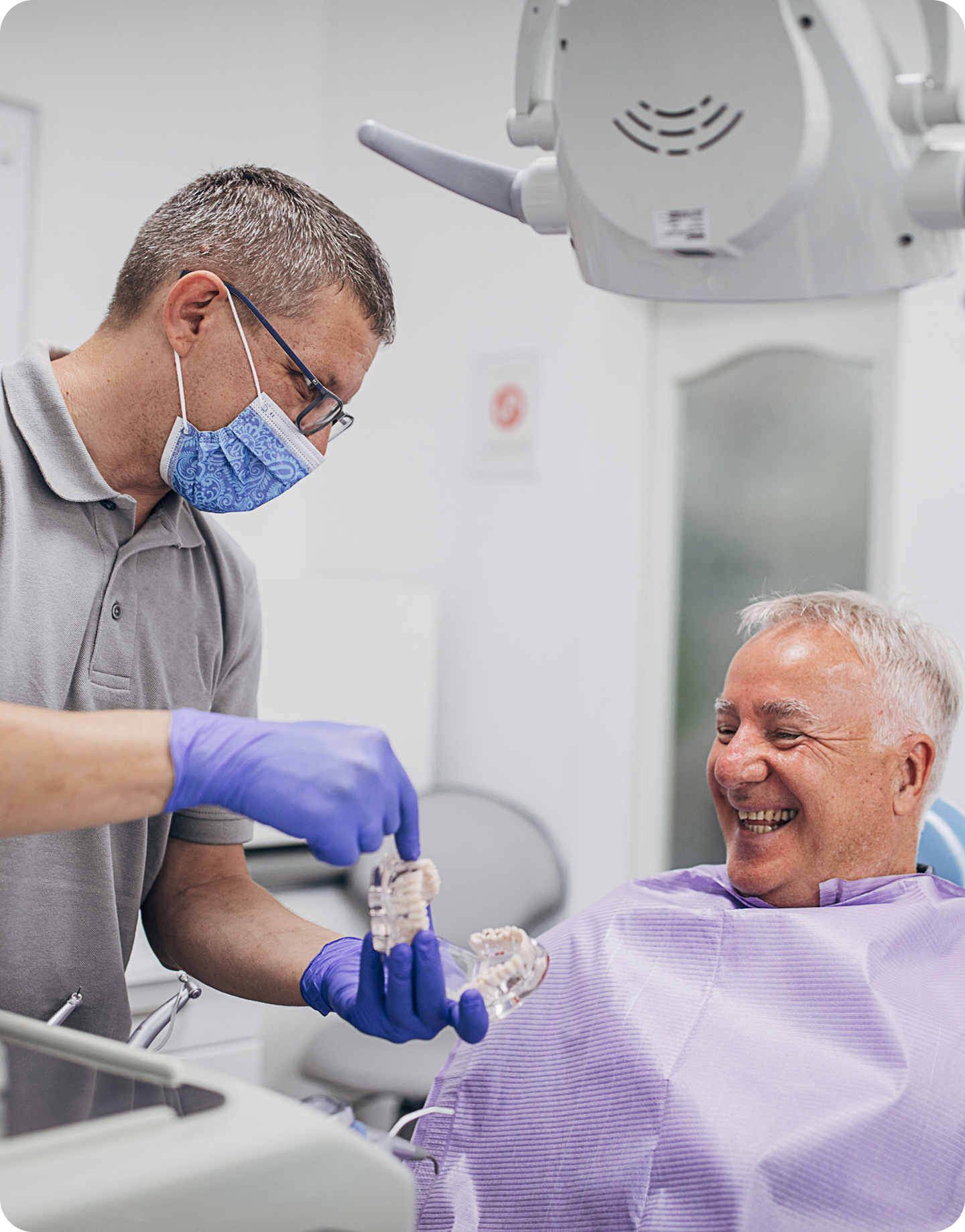
Choosing how to replace a missing tooth is not just a dental decision. It is a personal one. You want to eat comfortably, smile without hesitation and feel confident that you are making the right long-term choice. At Aspen Dental near San Antonio, that decision starts with a thoughtful evaluation of your needs, your health and your goals, so you are not guessing or rushing into anything. You are simply getting clear guidance on what works best for you.
Before you dive into the details, it helps to understand the big picture. These key takeaways can start you thinking about what matters most as you try to decide which option is right for you.
Key takeaways for you regarding dental implants versus bridges:
Dental implants replace both the tooth root and crown and can last decades with proper care
Dental bridges use nearby teeth for support, are typically faster and more affordable upfront
The right option depends on your bone health, number of teeth missing and your timeline
Why San Antonio patients are choosing permanent tooth replacement
Living with a missing tooth changes more than you might expect. Maybe you have learned to chew on one side or avoid certain foods. Maybe you catch yourself hiding your smile without thinking about it. Whether that gap has been there for years or just appeared, it often reaches a point where you are ready for something better.
In San Antonio and across San Antonio, more adults are choosing permanent tooth replacement than ever before. The reason? Life's too short to avoid certain foods, hide your smile in photos or worry about shifting teeth. With 63% of San Antonio's population between the ages of 18 and 64, you're part of a community that wants a smile that feels strong, looks natural and allows them to live without constant adjustments.
Dr. Patricia Beatrix Reyes and the experienced care team at Aspen Dental serving San Antonio understand what brings patients to this decision. It's not just about filling a space. It's about reclaiming normalcy and improving your oral health.
What are dental implants and how do they work?
A dental implant replaces your entire tooth, both the root and crown. The titanium post is surgically placed into your jawbone where your natural tooth root once lived. Over the next 3-6 months, your bone bonds with the post in a natural healing process. Once that healing is complete, a custom crown is attached to the post.
The result? A tooth that feels stable and functions like your natural teeth. You brush and floss it as usual and most days you forget that it’s there.
Types of dental implants available at Aspen Dental:
Single tooth implants that replace one missing tooth without touching nearby teeth
Implant bridges: Use two implants to anchor multiple replacement teeth
Implant dentures: Removable dentures that snap onto implant posts for stability
What are dental bridges and how do they work?
A dental bridge fills the space left behind by missing teeth. It is made up of one or more artificial teeth (called pontics) held in place by crowns that attach to the teeth on either side of the gap.
To place a traditional bridge, your dentist reshapes the neighboring teeth so crowns can fit over them. Those crowned teeth act as anchors for the bridge, holding the replacement tooth securely in place. Everything is crafted as one piece and cemented, so it stays put.
Bridges help restore chewing and speaking while keeping nearby teeth from shifting. They have been used for decades and remain a reliable option for many patients.
The key differences between implants and bridges
Root replacement vs surface replacement:
Dental implants replace the root of the tooth, which helps stimulate the jawbone. Bridges replace only the visible part of the tooth and do not provide that same stimulation.
Impact on surrounding teeth:
Implants stand on their own and don’t require changes to neighboring teeth. Bridges rely on reshaping the teeth next to the gap so they can support the bridge.
Longevity:
Implants can last 25+ years or longer with proper care. Bridges often last 5-15 years before they need to be replaced.
Bone health:
Implants help slow bone loss by keeping the jaw active. Bridges do not stop bone loss in the area beneath the missing tooth.
Treatment timeline:
Bridges are usually completed in 2 to 3 weeks. Implants take longer because healing is part of the process. They can take up to 6 months before the final crown is placed.
Which option is right for your situation?
You might be a candidate for dental implants if:
You have enough bone density or are open to bone grafting
You want a solution that doesn't affect surrounding teeth
You're looking for the longest-lasting option
Your overall health supports minor oral surgery
You're comfortable with a longer treatment timeline
You might be a candidate for bridges if:
The teeth next to the gap already need crowns
You want treatment completed in weeks, not months
You prefer to avoid having minor oral surgery
You are replacing several teeth in a row
Having a lower upfront cost is a priority for you
During your consultation, Dr. Reyes evaluates each patient's unique situation. Bone health, bite alignment, tooth position and your personal goals all play a role in choosing the option that makes the most sense for you long term.
How to care for implants and bridges
With good daily habits and oral hygiene, both options can serve you well for many years.
Caring for single tooth implants and bridges is very similar, with bridges requiring just a little more effort to keep your smile looking its best.
Caring for dental implants:
Implant care is like your routine for your natural teeth. Brush twice daily with a soft-bristled toothbrush, floss daily (including around the crown) and schedule regular 6-month checkups. While the crown won't get cavities, the gums around it still need attention to stay healthy.
Caring for bridges:
Bridges need a little extra care. Brushing twice daily is essential, along with cleaning under the bridge with a floss threader or water flosser. This area collects food and plaque but can't be cleaned with regular flossing. Routine dental visits help monitor the health of your supporting teeth andmake sure the bridge remains secure.
The benefits of permanent tooth replacement
Whether you choose implants or bridges, replacing missing teeth delivers benefits that go beyond appearance.
Restore complete function:
Eat the foods you love without modification. Speak clearly. Chew with confidence in your complete smile.
Prevent tooth movement:
Teeth naturally shift toward empty spaces, creating alignment issues and bite problems. A permanent replacement helps hold your teeth in their proper position.
Maintain facial structure:
Missing teeth can affect your facial shape over time. Replacing them helps support the bone and soft tissues that keep your features looking familiar.
Protect remaining teeth:
Chewing on one side of your mouth because of missing teeth puts excess stress on those teeth. Replacing missing teeth helps prevent one side from doing all the work.
Regain confidence:
Permanent tooth replacement helps you engage fully in life without self-consciousness. You can stop thinking about any gaps in your smile and start laughing freely again.
Insurance coverage and payment options
Most dental insurance plans offer coverage for bridges, though benefits vary by plan. Coverage for dental implants depends on your specific policy and the reason for tooth loss.
Medicaid is not accepted at Aspen Dental offices. However, Aspen Dental accepts most PPO insurance plans and offers flexible payment options to make permanent tooth replacement accessible. You can also take advantage of flexible financing options through third-party lenders; 99% of patients who apply are approved.
Before your treatment begins, your Aspen Dental care team will verify your insurance benefits, explain your coverage and discuss payment plans, so you’ll know exactly what to expect.
Why San Antonio patients choose Aspen Dental for tooth replacement
The Aspen Dental office serving San Antonio provides personalized tooth replacement care in a judgment-free environment. Dr. Patricia Beatrix Reyes and the experienced dental care team understand that every patient arrives with unique circumstances, concerns and goals.
Same-day consultation appointments are available. Thanks to advanced diagnostic imaging, Dr. Reyes can assess your bone structure and overall health and recommend a solution that fits your situation. Whether you need a single tooth implant or a full arch restoration, you’ll receive a clear treatment plan with transparent pricing.
At Aspen Dental, questions are encouraged. Decisions are never rushed. You are not pressured. Instead, you are guided through your options so that you can move forward, with confidence, at your own pace.
Implant vs bridges FAQs
How long do dental implants last compared to bridges?
Dental implants can last 25+ years or even a lifetime with proper care and regular dental checkups. Bridges typically last 5-15 years before replacement is needed. The longevity difference comes down to how each option is supported: implants or neighboring teeth.
Are dental implants painful?
The implant placement is done under local anesthesia, so you should not feel pain during the procedure. Most patients say post-treatment discomfort is mild, manageable with over-the-counter medications and resolves quickly.
How much do implants cost compared to bridges?
Bridges usually cost less up front. Implants may cost more initially but often last much longer. During your visit, Aspen Dental provides a personalized estimate and reviews insurance and financing options with you.
Can I get implants if I've had missing teeth for years?
It is possible, but an evaluation is necessary. Long-term tooth loss can lead to bone loss. Dr. Reyes uses diagnostic imaging to assess your bone density. If bone loss has occurred, bone grafting may be needed for successful implant placement.
Do bridges damage healthy teeth?
Traditional bridges require reshaping the teeth next to the gap to support the structure. This permanent alteration removes some healthy tooth enamel. While this allows the bridge to function properly, it's a trade-off to consider when comparing options.
Does Aspen Dental accept Medicaid for implants or bridges?
Medicaid is not accepted. However, Aspen Dental does accept most PPO insurance plans and offers flexible financing options through third-party lenders. 99% of patients who apply for third-party financing are approved.
How many teeth can a bridge replace?
Bridges typically replace one to three teeth in a row. Beyond that, the strain on supporting teeth becomes excessive. Larger gaps are often better treated with implant-supported solutions.
Can I eat normally with implants or bridges?
Yes. Once healed, Implants function like natural teeth with no food restrictions. Bridges also help you eat normally again, though some patients are cautious with very hard or sticky foods at first.
What happens during a tooth replacement consultation?
Dr. Reyes performs a thorough examination with X-rays, listens to your concerns and discusses your goals and budget. You'll also get detailed explanations about your options, clear cost estimates and time to ask questions before making any decisions on treatments.
When should you schedule a consultation?
If you're living with missing teeth, it's worth exploring your options sooner rather than later. Waiting allows neighboring teeth to shift and bone loss to continue, which can make future treatment more complex.
You do not need to figure this out alone. A consultation at Aspen Dental is designed to give you clarity and direction. You'll leave understanding your options, knowing what to expect and feeling confident about the next steps. At that point, you can decide to move forward right away or take some time to think it through.
Missing teeth affect how you eat, speak and engage with the world. Permanent tooth replacements can help you get back what you've been missing; literally and figuratively.
Dr. Patricia Beatrix Reyes and the Aspen Dental team in San Antonio are ready to help you explore dental implants, bridges and other tooth replacement options. Schedule an appointment today by calling the office or booking online. Your path to a complete, confident smile starts with onehelpful conversation.