Last updated 06.03.2026
The dental emergency kit you didn't know you needed
Learn what to keep in a dental emergency kit and how to handle common dental emergencies at home.
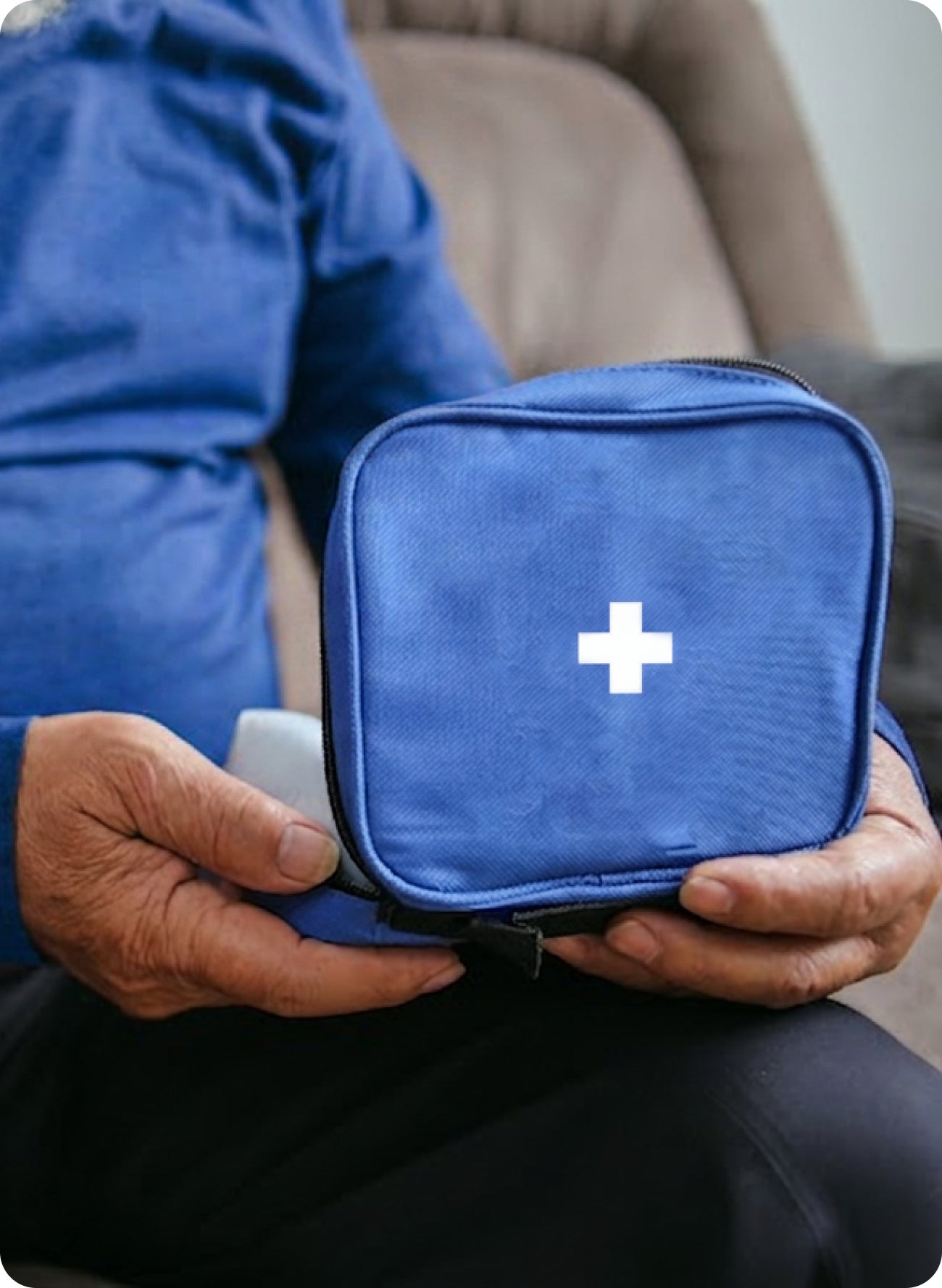
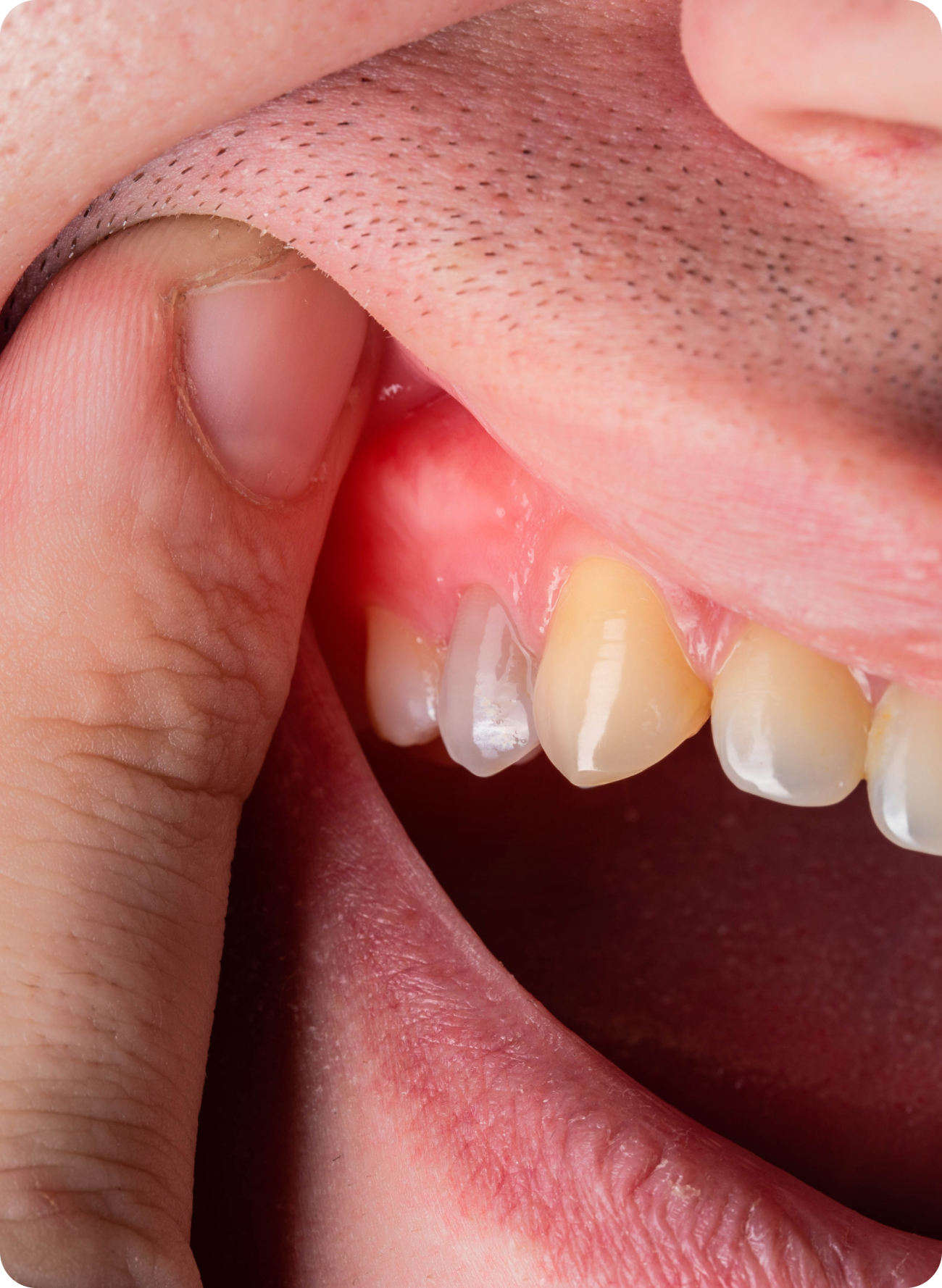
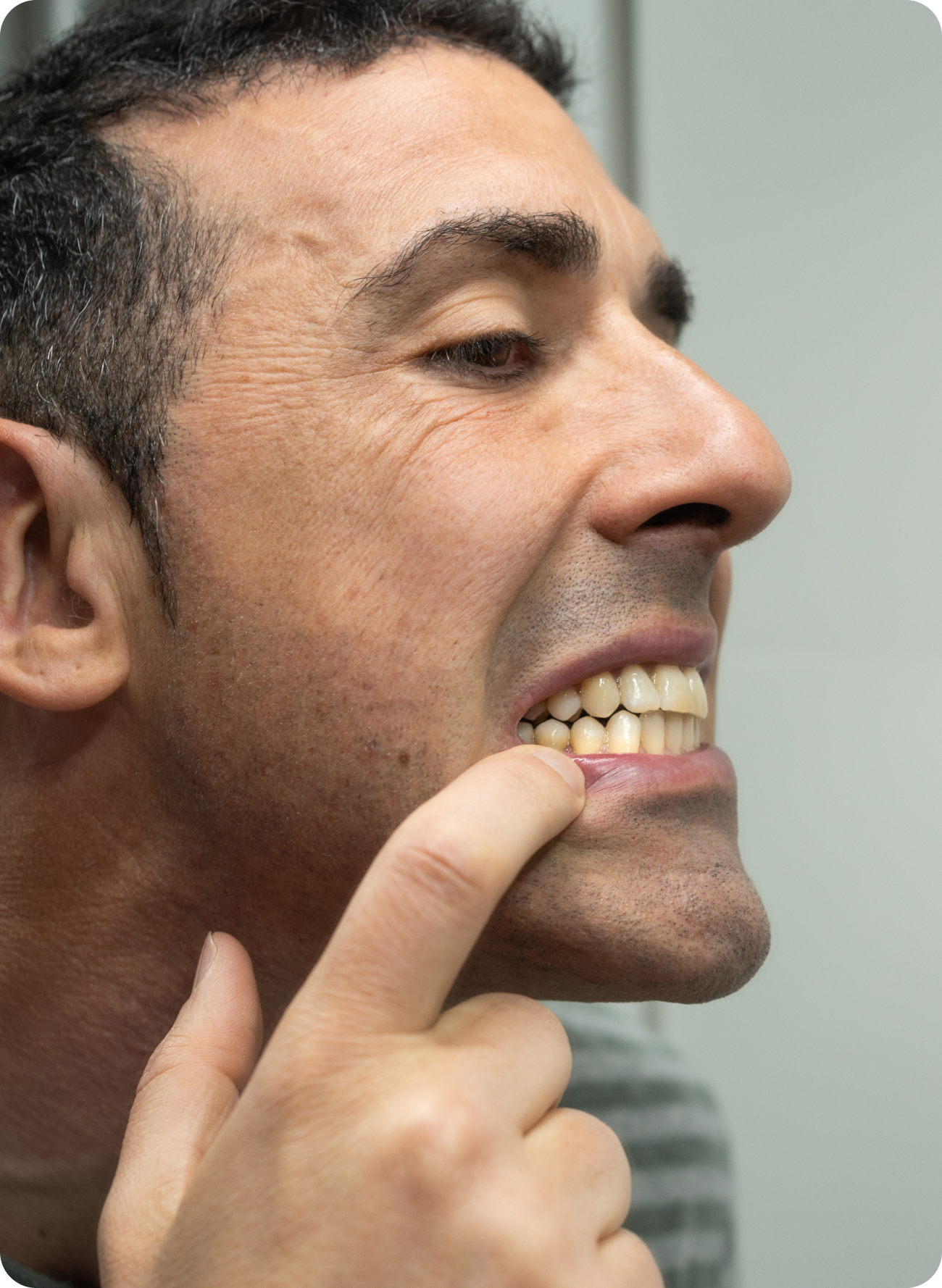
Most households keep supplies for cuts and burns, but few are prepared for a dental emergency late at night or over the weekend. A dental emergency kit helps you manage a broken tooth, lost filling, or knocked-out tooth until you can be seen.
Already dealing with a dental emergency? Schedule a same-day appointment at your nearest Aspen Dental.
What you’ll learn in this article:
What to keep in a home dental emergency kit
Which supplies help most during common dental emergencies
How to manage a knocked-out tooth, cracked tooth or lost filling
What you should never do during a dental emergency
When home care is not enough and urgent treatment is needed
What should a dental emergency kit include?
A basic dental emergency kit should contain supplies that help control discomfort, protect damaged teeth, and manage bleeding or swelling until you can be seen. Most items are available at a pharmacy and can be stored in a small container alongside your regular first aid supplies.
Over-the-counter pain relievers
Ibuprofen or acetaminophen can help manage oral discomfort until you receive treatment. Ibuprofen is often preferred because it also reduces inflammation. Always follow the dosage instructions on the label and never place aspirin directly on the gums or tooth.
Temporary dental cement or filling material
Temporary filling products such as Dentemp can help protect an exposed tooth or hold a loose crown in place for a short period of time. These materials are helpful in emergencies but are not substitutes for professional treatment.
Dental wax
Dental wax can cover a broken wire, chipped tooth, or rough edge that is irritating the inside of your mouth. Press a small amount over the sharp area to create a temporary barrier.
Sterile gauze pads
Gauze controls bleeding from a knocked-out tooth socket, gum injury or soft tissue cut. Apply steady pressure for 10–15 minutes without repeatedly lifting the gauze to check. Use sterile gauze pads only. Cotton balls can leave fibers behind and are not ideal for controlling bleeding.
Disposable gloves
A pair of nitrile gloves lets you handle a knocked-out tooth without contaminating the root surface. Touching the root with bare hands can damage the cells needed for successful reimplantation. Keep one or two pairs in your kit — they take up almost no space.
Oral numbing gel
Benzocaine-based products such as Orajel can temporarily numb the tissue around an aching tooth. These products provide short-term relief only and should be used exactly as directed.
Cold compress or instant ice pack
Apply a cold compress to the outside of your cheek — not directly to the tooth — to reduce swelling after an injury. Use it in 20-minute intervals. An instant ice pack is a practical addition because it activates on demand and does not require a freezer.
Salt for warm saltwater rinses
A warm saltwater rinse can help soothe irritated gums, reduce inflammation, and flush debris from around a sore tooth. Mix one teaspoon of salt into eight ounces of warm water and rinse gently.
A small mirror and clean tweezers
A compact mirror can help you see what is happening inside your mouth during an emergency. Clean tweezers may help remove visible debris between teeth, but never force anything beneath the gums.
How to manage common dental emergencies at home
What should you do if your tooth gets knocked out?
Act quickly. Put on disposable gloves before managing the tooth. Hold it by the crown — not the root — to avoid damaging the cells needed for reimplantation. If it is dirty, rinse it gently with water for no more than 10 seconds without scrubbing.
If possible, carefully place the tooth back into the socket and bite down gently on gauze to hold it in place. If that is not possible, store the tooth in tooth preservation solution or whole milk and contact your dental provider immediately. According to the American Association of Endodontists, a knocked-out tooth has the best chance of being saved when reimplanted within 30 minutes.1
How should you manage a cracked or chipped tooth until you can be seen?
Rinse your mouth gently with warm water to clean the area and apply a cold compress to the outside of your cheek to reduce swelling. If a sharp edge is irritating your cheek or tongue, cover it with dental wax. Over-the-counter pain relievers may also help reduce discomfort.
A cracked tooth causing significant sensitivity, swelling, or visible damage near the gums should be evaluated the same day. Cracks can deepen quickly and may become more difficult to treat if ignored.
What should you do if a filling or crown falls out?
If you still have the crown, keep it and bring it to your appointment. In some cases, your dentist may be able to re-cement it.
Temporary dental cement can help hold the crown in place briefly or protect an exposed tooth until you are seen. Avoid chewing on that side of your mouth to prevent additional damage.
Can a dental abscess be treated at home?
No. A dental abscess is a bacterial infection that requires professional treatment. Saltwater rinses may temporarily soothe the area, but they will not eliminate the infection. If you develop facial swelling, fever, difficulty swallowing or worsening throbbing, seek care immediately. Untreated dental infections can spread and become serious quickly.
What should you avoid during a dental emergency?
Knowing what not to do is just as important as knowing what helps.
Do not place aspirin directly on a tooth or gums — it can irritate or burn soft tissue
Do not use super glue to repair a crown or broken tooth
Do not ignore a knocked-out tooth — fast action improves the chance of saving it
Do not assume swelling will improve on its own, especially if fever is present
Do not use toothpicks to remove debris stuck between teeth — use floss instead
When should you see your dental provider?
Some dental problems can be managed temporarily at home, but most still require professional care within 24–48 hours. Certain symptoms should be evaluated immediately. Schedule an appointment right away if you have:
a knocked-out or partially dislodged tooth
swelling in the jaw, cheek, or neck
signs of infection, including fever or a foul taste
a cracked tooth with severe sensitivity
bleeding that does not stop after 15 minutes of pressure
a lost filling or crown causing significant sensitivity or discomfort
Aspen Dental offices nationwide offer same-day emergency appointments for urgent situations. If you are experiencing a dental emergency, visit an office near you or schedule an appointment with your provider as soon as possible. Dental emergencies often worsen when left untreated, making early care important.
Frequently asked questions
How long can a knocked-out tooth survive outside the mouth?
A permanent tooth has the best chance of survival when it is kept moist and treated within 30–60 minutes. Teeth left dry for longer periods are much harder to save successfully.
Is a chipped tooth always a dental emergency?
Not always. Small chips without sensitivity or sharp edges may be able to wait for a routine appointment. Larger chips, exposed dentin, or significant sensitivity should be evaluated promptly.
Can children use the same dental emergency kit as adults?
Most supplies are appropriate for children, but baby teeth should never be reinserted if knocked out. Reinserting a primary tooth can damage the developing permanent tooth underneath.
How often should you replace items in a dental emergency kit?
Check your kit once a year and replace expired items. Most OTC pain relievers are good for 2–4 years from the manufacture date. Temporary dental cement and tooth preservation solution typically last 2–3 years. Numbing gels expire faster — check the label. Keep gauze sealed and dry; it does not expire but can degrade if exposed to moisture.
What if you cannot reach a provider right away?
Use your emergency kit to manage symptoms temporarily. Rinse with warm saltwater, apply a cold compress for swelling and take over-the-counter medication as directed. Cover sharp edges with dental wax if needed.
Go to an emergency room immediately if you develop facial swelling, difficulty breathing, difficulty swallowing, or signs of infection. Seek prompt dental care for severe sensitivity, swelling, or visible tooth damage.
Can you go to urgent care for a dental emergency?
Urgent care centers can prescribe antibiotics and pain medication for a dental infection, but they cannot perform dental procedures. They do not have the equipment to treat a knocked-out tooth, repair a broken crown, or drain an abscess. If you are experiencing a dental emergency, contact your dentist’s office directly.
¹ (American Association of Endodontists. Knocked-Out Teeth. https://www.aae.org/patients/dental-symptoms/knocked-out-teeth/)