Last updated 11.18.2025
Antibacterial and antiseptic mouthwash: your complete guide
A complete guide to antibacterial vs. antiseptic mouthwash and how Aspen Dental helps you choose the right one.
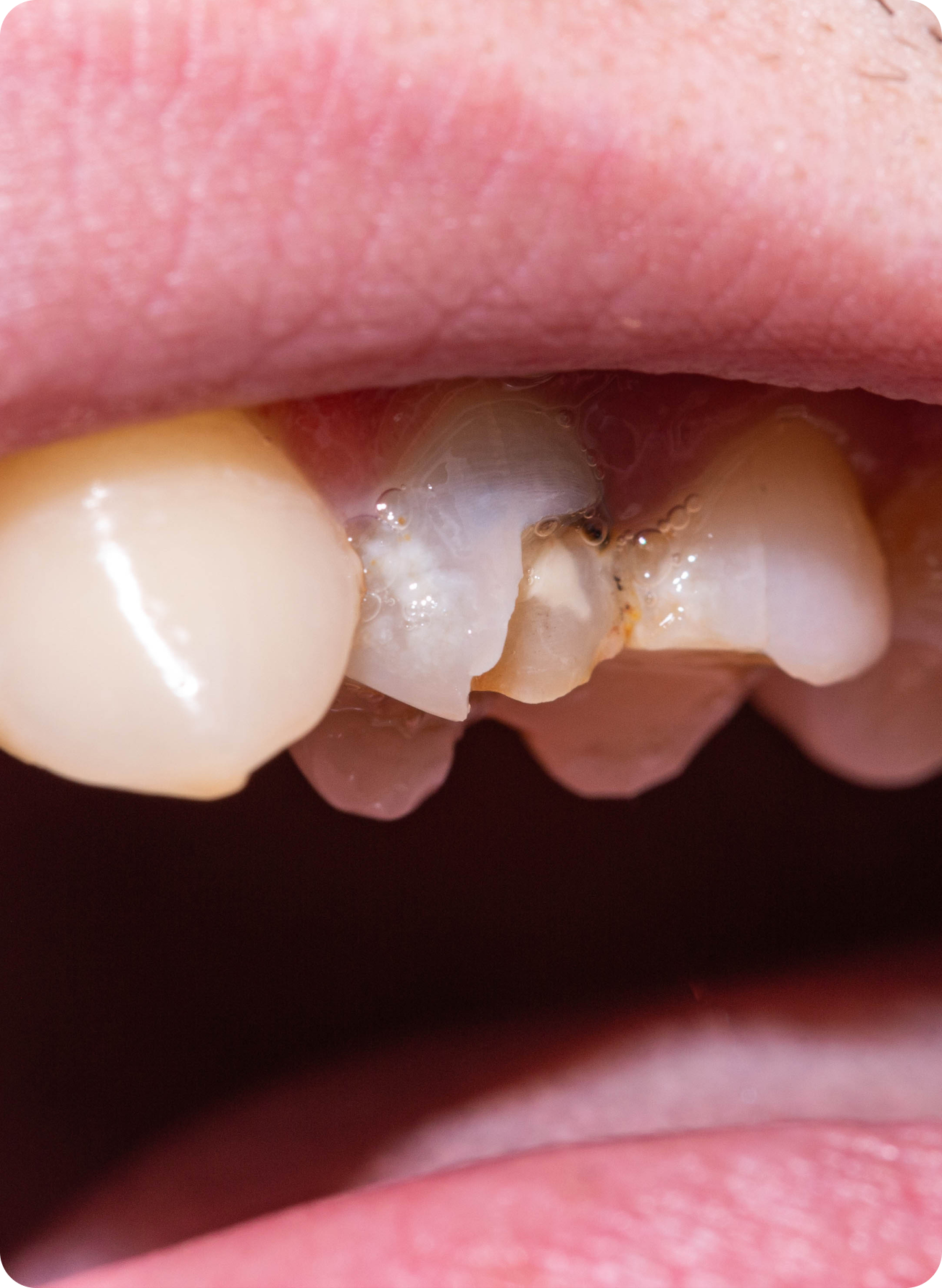
If you've noticed a little bleeding when you brush or bad breath that just won’t go away, take comfort in knowing you’re not alone. These are common signs that your mouth may need some extra care. While regular mouthwash helps freshen breath, it may not tackle the germs behind these issues.
That's where antibacterial and antiseptic mouthwashes come in. They can make a real difference in supporting your oral health routine. It's important, though, to understand how they differ and what each can offer. Your Aspen Dental care team is here to help you decide which to use to keep your mouth healthy and your smile confident.
What is antibacterial mouthwash and how does it work?
Antibacterial mouthwash is an oral rinse that kills the germs in your mouth that can cause plaque, cavities and gum disease. This type of rinse does more than just refresh your breath. When used twice a day, it helps fight bacteria and reduce plaque for a healthier mouth.
How an antibacterial mouthwash works
Antibacterial mouthwashes rely on common germ-fighting ingredients like CPC, chlorhexidine and essential oils, such as eucalyptol and menthol. When you swish about 15-20ml (roughly 4 teaspoons) for around 30 seconds, the rinse can reach places your toothbrush might miss—spots between teeth and along the gum line where germs tend to hide.
The American Dental Association states these rinses can help reduce plaque and gum disease when used with brushing and flossing. Plus, they continue to deliver germ-fighting protection for 3-5 hours after you rinse.
Key benefits of an antibacterial mouthwash
Helps reduce plaque buildup and stop gum disease
Kills germs that can cause bad breath
Cleans hard-to-reach spots between teeth
Works with brushing and flossing for better oral care
Your mouthwash should, however, never replace brushing and flossing. Think of it as an extra tool that strengthens your routine. Your Aspen Dental hygienist can show you how to use it correctly and recommend products that fit your needs.
How does antiseptic mouthwash differ from antibacterial rinse?
While antibacterial formulas focus only on bacteria, antiseptic ones fight many types of germs. Antiseptic mouthwash is a stronger oral rinse that works against bacteria, viruses, fungi and other germs. When needed, it gives your mouth broader protection than an antibacterial rinse.
Antibacterial vs antiseptic mouthwash comparison:

Sources
American Dental Association (ADA). Mouthrinse (Mouthwash). ada.org
Da Costa, J. B., et al. Effectiveness of Mouthrinses in Plaque and Gingivitis Control. BMC Oral Health (2023).
A Review of Chlorhexidine and Cetylpyridinium Chloride Mouthrinses. Nature (2004).
Antiseptic mouthwashes and when they help most
You'll find that antiseptic rinses are especially useful after dental procedures, when treating gum infections or soothing mouth sores and inflammation. Thanks to their germ-fighting ingredients, which include chlorhexidine gluconate (found in brands like Peridex and PerioGard), hydrogen peroxide and essential oils, they’re a helpful part of short-term oral care.
Studies in the Journal of Clinical Periodontology and Antibiotics show that chlorhexidine rinses significantly reduce oral bacteria within seconds of use and support healing after oral surgery or periodontal treatment. The American Dental Association also notes that these rinses help control plaque and gingivitis when used alongside brushing and flossing—not as a replacement.
Prescription vs over-the-counter antiseptic rinses
Understanding the difference between store-bought and prescription options helps you choose wisely. Over-the-counter antiseptic mouthwashes work well for daily prevention. Prescription rinses like chlorhexidine are stronger and best used with guidance from your dentist since long-term use can cause tooth staining or other side effects.
Your Aspen Dental team can assess your oral health and suggest the best option for your needs.
Can an antibacterial mouthwash help with gum disease?
Gum disease needs more than just regular mouthwash. Specialized antibacterial and antiseptic rinses can help manage infection that damages gum tissue and bone, but they work best when combined with professional dental care.
Chlorhexidine gluconate — the gold-standard rinse for gum disease
You can brush and floss like a pro and still miss a few spots. Antiseptic mouthwash is your backup because it can get into those deeper areas or pockets around the gums where bacteria often hang out.
Chlorhexidine gluconate (sold under brand names such as Peridex and PerioGard) is a strong prescription mouthwash commonly used to support periodontal or gum disease treatment. Because of its demonstrated efficacy, many dental professionals consider chlorhexidine the “gold standard” antiseptic rinse in periodontal care. Though individual instructions from a dentist should always be followed, these products and clinical practices often suggest rinsing with 15 mL of 0.12 % chlorhexidine for about 30 seconds twice daily.
Clinical reviews show that rinses using 0.12 % chlorhexidine significantly reduce plaque accumulation and gingival (gum) inflammation when added to professional cleaning. One meta-analysis reported a nearly 33% reduction in plaque and a 26% reduction in gingivitis in patients using chlorhexidine compared with controls.
Source: Richards, D. Chlorhexidine mouthwash plaque levels and gingival health. Evid Based Dent 18, 37–38 (2017).
Chlorhexidine is most effective when used in association with professional periodontal treatment rather than as a standalone. Studies consistently show that the best outcomes occur when chlorhexidine is used alongside scaling, root-planing or other gum-disease treatments.
Source: da Costa LFN, Amaral CSF, Barbirato DS, Leão ATT, Fogacci MF. Chlorhexidine mouthwash as an adjunct to mechanical therapy in chronic periodontitis: a meta-analysis. J Am Dent Assoc. 2017;148(5):308–318.e1. doi:10.1016/j.adaj.2017.01.021
Combining mouthwash with expert periodontal care
When it comes to your oral health, professional dental care is a must, and mouthwash is just part of the team. Deep cleaning treatments, such as scaling and root planing help remove hard deposits below the gum line. Antibacterial mouthwash keeps bacterial levels low and helps prevent reinfection. Coupling periodontal care with mouthwashes can give you real results in managing gum disease and protecting your smile.
If you notice bleeding gums, gum loss or persistent bad breath, schedule a full gum health check at Aspen Dental. Your dental team can provide deep cleanings, prescribe the right rinse and create a personalized plan to support your oral health. Their expert care offers peace of mind and helps you achieve a healthier, more confident smile.
What about swollen or bleeding gums?
Swollen gums are often a sign of inflammation or infection that needs attention. An antiseptic mouthwash can bring relief while you and your dentist address the root cause. Common triggers include plaque buildup from improper cleaning, hormone changes during pregnancy, low vitamin levels or trapped food. Antiseptic rinses help reduce bacteria, clean hard-to-reach areas and soothe sore gum tissue.
Simply rinse gently twice a day after brushing. Avoid aggressive swishing which can irritate tender gums. And, remember to keep flossing, even if your gums feel sore to help reduce the swelling faster.
See your dentist right away if swelling lasts more than a few days, spreads to your face or neck, comes with fever or you have difficulty eating. These may be signs of a more serious infection. Your Aspen Dental care team can pinpoint the cause and provide the care you need to restore comfort and confidence in your smile.
Should you use mouthwash every day?
Using antibacterial or antiseptic mouthwash twice daily after brushing - morning and night - offers the best protection. Prescription rinses may have different instructions, so follow your doctor’s advice or the directions on the label of your bottle.
Proper timing and technique for maximum benefits
To get the most from a mouthwash, the timing of when to eat, drink or even swish with water matters. Use your rinse after brushing to remove debris, but do not follow up with water as this washes away the germ-fighting ingredients. For the best results, you should also wait at least 30 minutes before eating or drinking. According to the CDC, this timing gives the germ-fighting ingredients time to work effectively.
Managing side effects and choosing alcohol-free options
If using an alcohol-based formula, you may notice some mild, short-term taste changes, dry mouth or slight burning. Chlorhexidine can cause tooth staining with long-term use, which is why it’s often prescribed for short periods of time. Alcohol-free antibacterial mouthwashes offer a gentler option that still fights plaque and supports gum health.
When should you schedule an appointment?
When mouthwash alone can’t fix your ongoing issues, it’s time to schedule an appointment with your local Aspen Dental care team. If you’re experiencing bleeding gums lasting more than two weeks, ongoing bad breath despite good home oral hygiene, gum recession or discomfort means it's time to take action. Early intervention helps prevent small problems from becoming more serious.
Aspen Dental offers same-day appointments at locations nationwide. Your dental care team will take the time to listen, explain and guide you through every step of your care. You’ll receive personalized recommendations, whether that’s for choosing the right mouthwash or starting advanced gum treatment, so you always feel supported and confident.
Insurance and costs
Most dental insurance plans cover preventive care, including expert cleanings and exams, where your dentist can recommend the right mouthwash. Treatment for gum disease is often covered when necessary, but coverage varies by plan.
Prescription rinses like chlorhexidine may be covered when prescribed for gum disease. Over-the-counter antibacterial and antiseptic mouthwashes usually cost between $5 and $15 per bottle and are not covered by insurance. You can usually find these options at pharmacies and stores.
Once at your appointment, your Aspen Dental care team can review your benefits and explain all costs clearly before your treatment begins. Flexible payment options are available through trusted third-party lenders for care that is not fully covered.
Please note that Medicaid is not accepted at Aspen Dental offices.
Antibacterial and antiseptic mouthwash FAQs
Can mouthwash replace brushing and flossing?
No. Mouthwash is a helpful addition, but not a substitute. Although mouthwash can reach spots your toothbrush misses, it does not remove plaque the way brushing does. Therefore, daily brushing and flossing are still essential for good oral health.
How long does it take to see results from antibacterial mouthwash?
Thankfully, you should notice fresher breath almost immediately. Then, within 7–14 days of twice-daily use, gum bleeding usually improves. Healthier gums often appear within 14–28 days. Advanced gum disease, however, may need longer treatment and professional support.
What's the difference between therapeutic and cosmetic mouthwash?
Therapeutic mouthwash has active ingredients that help treat gum disease, plaque buildup or bad breath. On the other hand, cosmetic mouthwash just freshens breath for a short time—it does not fix underlying problems. Look for the ADA Seal on therapeutic mouthwashes. That seal means the product has been tested and proven safe and effective.
Can I use mouthwash if I have dental work like crowns or implants?
Yes. Antibacterial and antiseptic mouthwash are safe with crowns, bridges, implants and other dental work or restoration. Keeping germ levels low around dental work helps it last longer and helps stop infection. Your dentist may suggest specific rinses for your individual needs.
Why does my mouthwash burn?
That burning sensation usually comes from alcohol in the formula. Although alcohol helps mix ingredients and fights germs, it can sting if your mouth is sensitive. However, alcohol-free formulas can offer similar benefits without the burn.
Does insurance cover prescription antibacterial mouthwash?
Coverage depends on your plan. Most dental insurance plans cover prescription mouthwash for treating gum disease. Your Aspen Dental care team can review your benefits and discuss your options before you fill a prescription. Medicaid is not accepted at Aspen Dental offices.
How much mouthwash should I use per rinse?
Use 15-20ml (about 4 teaspoons or one capful) per rinse. Swish for 30 seconds to make sure the germ-fighting agents reach all areas of your mouth. For prescription chlorhexidine, use exactly 15ml twice daily as directed. For the best results, do not rinse with water immediately after.
What concentration of chlorhexidine is most effective?
The FDA recommends 0.12% chlorhexidine for prescription use in the United States. Higher concentrations (0.2%) don’t offer additional benefits and may increase side effects.
Choose the right mouthwash and take control of your oral health
Finding the right antibacterial or antiseptic mouthwash depends on your personal oral health needs and goals. What works well for daily prevention might not be enough for active gum disease. So, before spending money on options that may not fix your specific concerns, talk to a dental professional who can help you choose the best option for you.
Thankfully, with the help of the experts at Aspen Dental, you don’t have to figure it out alone. Simply schedule an appointment to discuss your oral health goals, as well as any concerns you may have about bleeding gums, bad breath or gum disease. Your care team will check your teeth and gums, review your oral hygiene routine and recommend mouthwash options suited to your needs.