Last updated 03.05.2026
Toothache Relief: Causes and Treatment Guide
Toothache can signal decay or infection—learn common causes and treatment options to find relief fast.

Got a toothache? Getting rid of it is likely your main priority right now. Toothache pain can range from mild to severe, depending on the cause. It’s important to contact your local Aspen Dental at the first sign of a toothache.
Toothache symptoms
Your toothache symptoms may come on acutely, gradually or even flare up when eating and drinking. Depending on the severity, a toothache can significantly impact your daily activities, including eating, speaking and even sleeping. If you’re experiencing any of these common toothache symptoms, see your Aspen Dental dentist right away:
Pain when chewing or biting
Persistent sharp or throbbing pain
Redness & swelling near the gums
Sensitivity to hot or cold foods and drinks
Toothache causes
So, you’re experiencing toothache symptoms—but what could be causing them? Let’s talk about it, and most importantly, how to get relief fast.
Tooth abscess
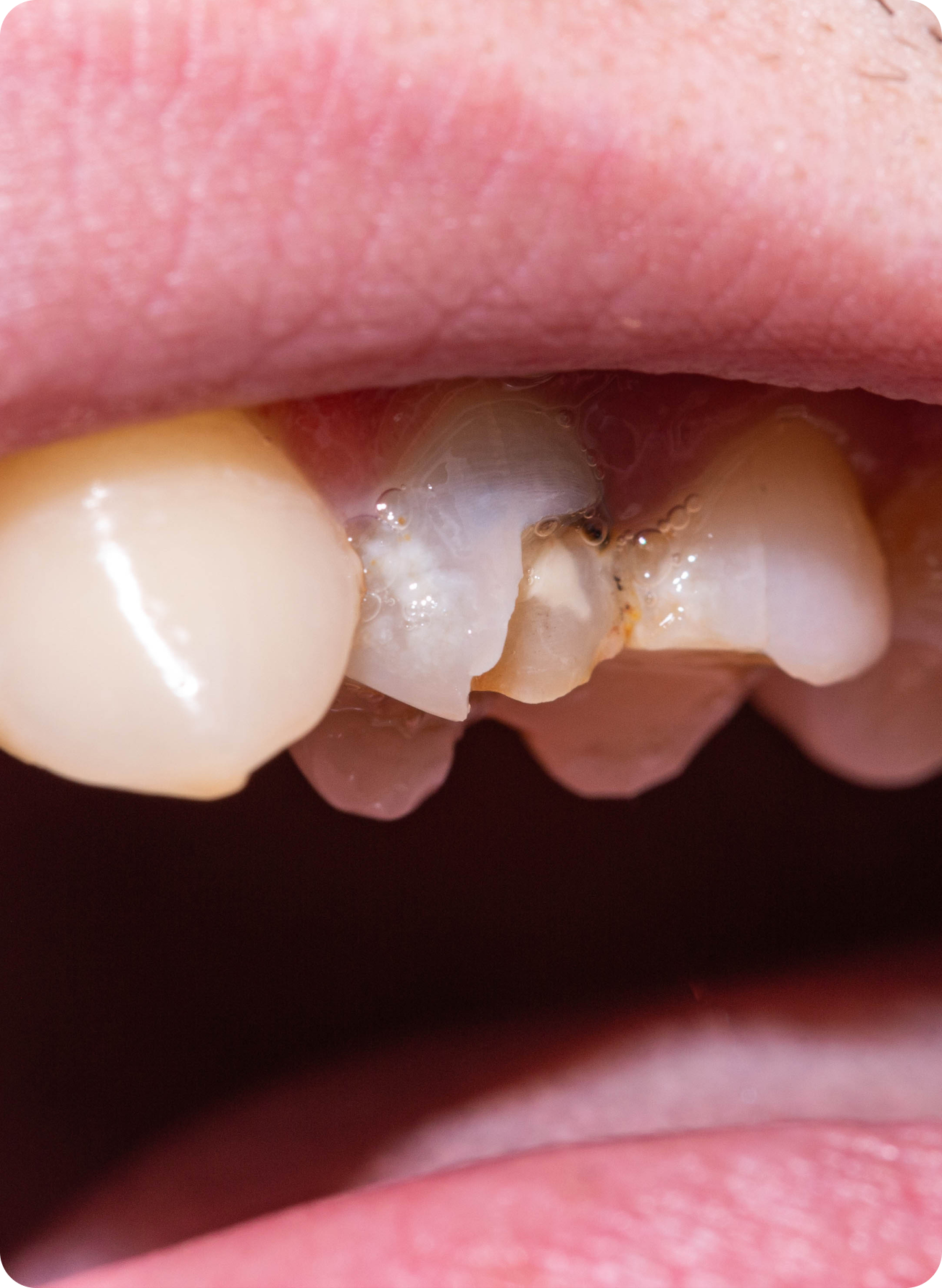
These are dangerous and require and emergency visit to your local Aspen Dental. A tooth abscess is a pocket of pus (infection). These are caused by bacteria that invades your teeth through a deep cavity, crack or gum line. An abscessed tooth won’t heal on its own and putting off care could cost you the tooth—or infection can spread and become life threatening.
Tooth decay
If your pain gets worse when you chew, or when eating or drinking something hot or cold, you might have a cavity. Tooth decay gets worse without intervention, so it’s important to contact your local care team.
Bruxism (teeth grinding)
If the decay has caused significant damage, a dental crown may be needed. A crown is a custom-made cap that covers the entire visible portion of the tooth. It provides protection, restores strength and improves the tooth’s appearance.
Sinus infection
If your toothache is accompanied by congestion and sinus pressure, your tooth might not be the problem at all. Treat the symptoms of your sinus infection first and see if your tooth pain goes away.
Toothache relief
Quick tips for soothing discomfort
You may be able to treat your toothache symptoms at home, or at least get some temporary relief before you see your Aspen Dental dentist.
Here are some things you can try:
Rinse with warm saltwater
Find relief naturally by mixing half a teaspoon of salt in 8 ounces of warm water. Gargle and swish the solution in your mouth for about 30 seconds before spitting it out. This can help reduce inflammation and cleanse the area.
Over-the-counter pain relievers
Non-prescription pain relievers such as ibuprofen and Tylenol can provide temporary relief. Follow the recommended dosage instructions on the label.
Cold compress
Apply a cold compress or ice pack wrapped in a cloth to the outside of your cheek for 15-20 minutes. This can help numb the area and reduce swelling.
Clove oil
Apply a cold compress or ice pack wrapped in a cloth to the outside of your cheek for 15-20 minutes. This can help numb the area and reduce swelling.
Avoid trigger foods
Steer clear of hot, cold, sweet or acidic foods and beverages that can worsen sensitivity and pain.
Brush and floss
Everyday, please! Stuck food particles can aggravate, or even cause your toothache. Use a soft-bristled toothbrush and be gentle with your floss around the tooth causing you discomfort.
Over-the-counter night guard
If you catch yourself with jaw pain in the morning and think it may be from grinding your teeth at night, investing in an over-the-counter night guard may help alleviate your pain and symptoms.
Toothache remedies and treatment options
If your toothache pain can’t be relieved at home, contact your Aspen Dental care team so they can determine the cause and treat it right away. Here’s what you can expect at your appointment.
Diagnosis
Your dentist will begin by examining the affected tooth and surrounding area. X-rays may be taken to pinpoint the cause of the toothache and provide a proper diagnosis.
Professional cleaning
In some cases, toothaches are linked to gum inflammation. A thorough dental cleaning can help remove plaque and tartar buildup, reducing irritation and alleviating your tooth pain.
Restorative procedures
If the tooth is damaged due to a cavity or getting chipped, restorative procedures like dental fillings or crowns may be performed to restore its structure and function. If the tooth damage reaches the pulp (innermost part of the tooth), then root canal therapy with be necessary to alleviate your tooth pain.
Extraction (if necessary)
If the tooth is severely infected or damaged beyond repair, the dentist may recommend tooth extraction. Although losing a tooth can be scary, the dentist will discuss replacement options, such as dental implants, bridges or dental prosthetics.
When you should seek immediate toothache treatment
Contact your local Aspen Dental right away if you are experiencing a severe toothache. Severe toothaches generally result from deep cavities or severe gum disease, in which case more extensive procedures may be needed (such as root canal or extraction). Waiting to contact us could lead to severe symptoms such as:
Tooth pain that lasts longer than a few days
A fever
An earache or pain when you open your mouth
Mouth or facial swelling
Toothache FAQs
How to get rid of toothache
You may be able to find temporary relief at home. Rinse your mouth with warm saltwater to reduce inflammation. Over-the-counter pain relievers can help manage the pain. Press a cold compress to the outside of your cheek to numb the area. Using clove oil or a benzocaine ointment on the affected tooth may help.
When should I see a dentist for a toothache?
If you experience persistent or severe pain in the tooth, it’s crucial to see a dentist promptly to diagnose the underlying issue and receive the appropriate treatment.
Can a sinus infection cause a toothache?
Yes, a sinus infection can lead to referred pain in the upper teeth due to the proximity of sinus cavities to the tooth roots.
Why is my child experiencing toothache?
Children may experience mild to moderate pain during the eruption of a new tooth. This discomfort is a normal part of the tooth development process. The pressure from the emerging tooth as it breaks through the gum tissue can cause temporary irritation, gum sensitivity or the desire to chew on objects. If your child already has their teeth grown in, be sure to look in their mouth to check if you can see visible dark spots or white chalky spots as signs of cavities. Good oral hygiene with brushing and flossing is just as important for baby teeth as it is for adult teeth.