Last updated 11.18.2025
Teeth whitening strips: complete guide to at-home whitening
A complete guide to whitening strips, how they work, and when Aspen Dental recommends professional whitening.
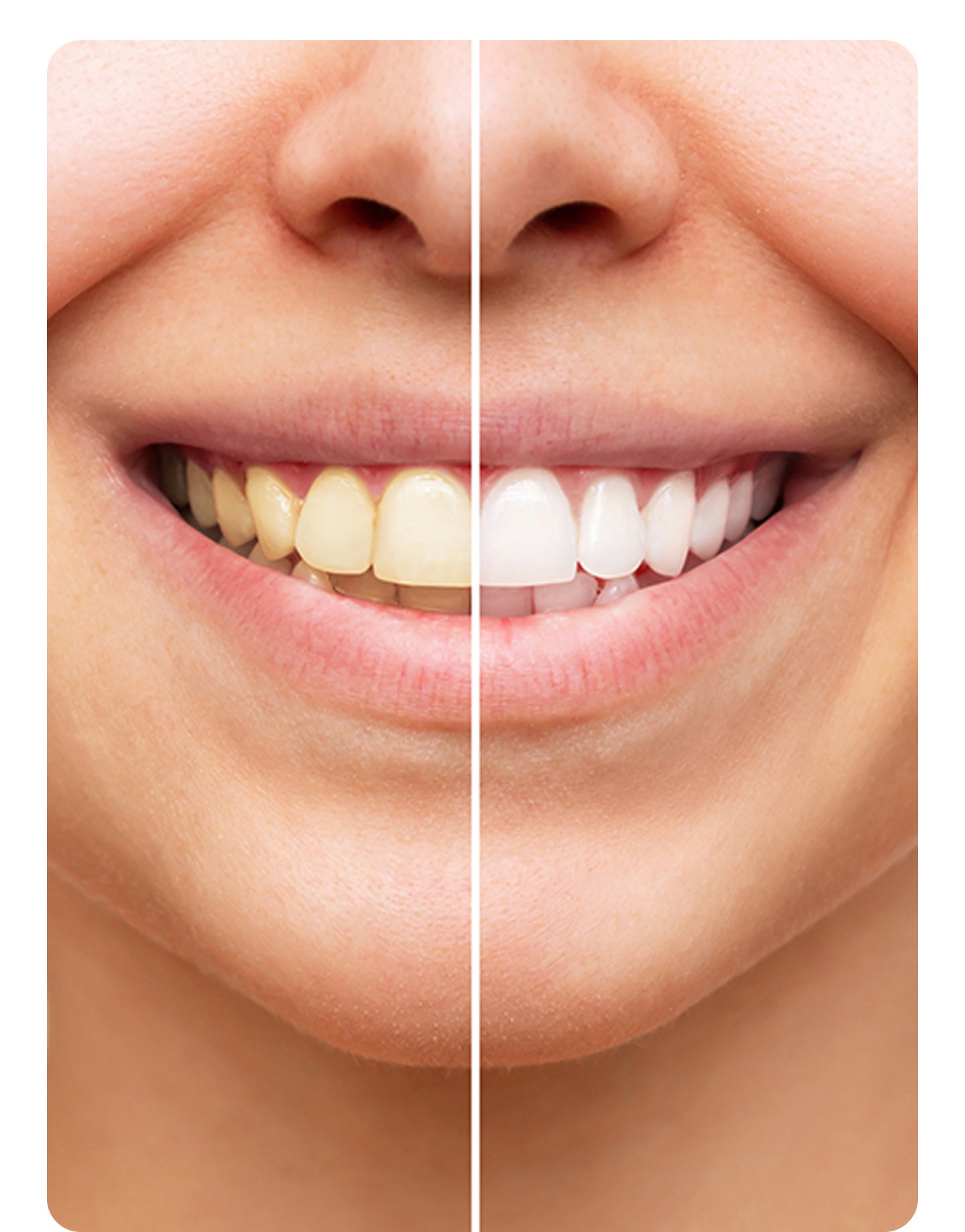
Whether wanting to make a good first impression, get ready for an event or simply want a little confidence boost, teeth whitening strips offer a convenient way to brighten your smile at home. These thin plastic strips coated with whitening gel can make teeth one to two shades lighter in just a few days. Knowing how they work, how to use them properly and what results to expect can help you make smart decisions about your smile. If stains or discoloration have kept you from smiling freely, your local Aspen Dental office offers at-home whitening guidance and professional whitening services that can help you achieve a brighter, more confident smile.
What are teeth whitening strips?
Teeth whitening strips are thin, flexible plastic strips coated with a peroxide-based whitening gel. When placed over your teeth, the gel contacts your tooth enamel and breaks down stains that can dull your smile. Most whitening strips contain hydrogen peroxide or carbamide peroxide as the active ingredient.
Do teeth whitening strips work?
Yes, teeth whitening strips work for most people. Studies show that they can lighten teeth by one to two shades when used as directed, with visible results within a few days to a week. This quick boost often helps people feel more confident about their appearance and smile.
The effectiveness of treatment depends on:
Type and severity of stains (surface stains respond best)
Natural tooth color (yellowish teeth whiten more easily than gray or brown)
Product strength and consistency of use
Following package directions exactly as written
Types of stains addressed
Extrinsic stains (on the surface):
Coffee, tea, red wine and dark beverages
Tobacco use and smoking
Certain foods and poor oral hygiene
Intrinsic stains (inside of teeth):
Aging and enamel wear
Certain medications like tetracycline
Too much fluoride exposure
Tooth trauma or injury
Whitening strips target both types of stains but work best on extrinsic surface discoloration. For deeper intrinsic staining or discoloration, that doesn't respond to at-home strips, your Aspen Dental care team offers professional whitening with stronger bleaching agents that can help you achieve dramatic results—up to eight shades lighter. Professional treatment offers a smile transformation that helps you feel self-assured and ready to smile without hesitation.
Best teeth whitening strips: what to look for
Not all whitening strips deliver the same results or work for every situation. Choosing the right, quality product, and getting the results you want, involves considering several key factors.
What features should you look for in whitening strips?
ADA Seal of Acceptance for safety and effectiveness
Appropriate peroxide concentration of 10-14% for faster results or 6-10% for sensitive teeth
Strips that fit well and stay in place
Reasonable treatment duration of 5-30 minutes per application
Products with valid expiration dates and that haven’t expired
What needs should you consider?
Your sensitivity level (start with lower concentrations if prone to discomfort)
What’s the time commitment per day (how long do you have to wear the strips)
Your budget and desired results, or level of whitening
Your care team at Aspen Dental can recommend appropriate whitening strips or suggest professional treatments if you want stronger results. A professional consultation helps determine the safest and most effective approach for achieving the bright smile you want and deserve.
Whitening strips for sensitive teeth
Tooth sensitivity is the most common side effect of whitening strips. If your teeth are naturally sensitive, you’ll be glad to know that you still have options for a brighter smile with less discomfort.
Why sensitivity occurs
During treatment, peroxide temporarily opens tiny pores in tooth enamel so the gel can reach stains. This also exposes nerve endings in the dentin layer, which cause temporary sensitivity to hot, cold, sweet or acidic foods.
Options for sensitive teeth
Use strips with 6-10% hydrogen peroxide
Choose strips with shorter wear times (5-10 minutes)
Look for strips with potassium nitrate (helps reduce sensitivity)
Apply strips once daily (instead of twice) or every other day
Tips to minimize sensitivity
Use desensitizing toothpaste for two weeks before whitening
Continue using the sensitivity toothpaste during treatment
Avoid very hot or cold foods
Don't exceed recommended wear times
Take breaks between treatment cycles
If you experience severe sensitivity that lasts more than 48 hours after stopping treatment, schedule an appointment with your Aspen Dental care team.
Should I brush my teeth before using whitening strips?
Yes, but timing matters. For the best results, brush your teeth and then wait 30-60 minutes before applying whitening strips. This gives your enamel time to settle and prepares your teeth for treatment.
Best ways to prep for teeth whitening
Once you’ve decided to whiten your teeth, it’s worth taking a moment to prepare. A good, pre-whitening routine can help your treatment work properly and keep your teeth and gums more comfortable throughout the process.
Brush with regular fluoride toothpaste 30-60 minutes before applying
Floss to remove debris between teeth
Rinse thoroughly to remove toothpaste residue
Wait the full 30-60 minutes before applying strips
Why brushing first helps
Brushing removes plaque, food debris and bacteria that can create barriers and reduce effectiveness. A clean surface allows for better contact between the gel and your enamel, leading to better results.
Why timing matters
Brushing temporarily softens enamel and may irritate gums. Applying whitening strips too soon after brushing can increase sensitivity and cause discomfort. Waiting 30 to 60 minutes after brushing allows your gums to calm and your enamel to reharden.
What not to do before whitening your teeth
Don't brush your teeth immediately before applying strips
Don't use a whitening toothpaste right before your treatment (can increase sensitivity)
Don't skip the waiting period, your teeth and smile will thank you
Should I brush my teeth right after using whitening strips?
Waiting to brush after whitening is also important. Because your tooth enamel remains slightly porous and sensitive, wait at least 30 minutes after removing the whitening strips before you brush. Brushing too soon can push bacteria back into porous teeth and cause discomfort.
Whitening strip aftercare
Following a few easy steps of post-whitening care helps maintain your results and can give you some peace of mind knowing that you’re protecting your investment and caring for your teeth properly.
Remove strips gently and rinse mouth thoroughly with water
Wait 30-60 minutes before brushing to give your enamel time to remineralize
When you do brush, use gentle pressure with a soft-bristled brush
Consider using sensitivity toothpaste if experiencing discomfort
What to do during the waiting period post treatment
While you wait to brush, it’s best to keep things simple. Rinse your mouth thoroughly with water to remove any leftover gel and avoid eating or drinking anything other than water, especially foods and beverages that can stain your teeth.
Foods and drinks to avoid after whitening
Immediately following your treatment, your teeth are more prone to staining because enamel pores can absorb color more easily.
Avoid the following for at least 2-3 hours:
Dark berries, tomato sauces and tobacco products
Coffee, tea, dark sodas and red wine
Protecting your smile during this time helps you maintain the results you've worked to achieve.
Are teeth whitening strips safe?
Yes, teeth whitening strips are generally safe when used as directed. Understanding potential risks and proper usage helps ensure a positive experience.
Whitening strips safety tips and considerations
For the safest results, choose whitening strips that carry the ADA Seal of Acceptance and always follow the package directions exactly. Don’t wear the strips longer or more often than recommended and make sure the product hasn’t expired before you use it. These simple steps help you get effective results while keeping your teeth and gums healthy.
Common side effects
Most people notice only a few mild side effects with whitening strips and complete the treatment comfortably.
The most common side effect is mild tooth sensitivity, which affects about 60–70% of users. It’s usually temporary. You may also experience a little gum irritation if the gel touches your soft tissue, or temporary throat irritation. Finally, if the strips don’t sit evenly across all your teeth, your whitening may look a bit uneven.
Fortunately, these effects usually fade within a few days and can be minimized with proper use.
Who should consult a dentist before using whitening strips
While whitening strips are safe for most people, the following individuals should talk with their dentist before trying an at-home treatment:
Children under 12 years since their enamel is still developing
Pregnant or nursing women due to limited safety research
People who has gum disease or untreated cavities
Anyone with extremely sensitive teeth or visible restorations on their front teeth
An important limitation of whitening treatments
Whitening strips only work on natural tooth enamel. Sadly, they won't lighten dental crowns, veneers, bonding, fillings or implants. This can cause uneven coloring if you have visible dental work. Understanding this helps set realistic expectations for your results.
If you have untreated cavities, gum disease, visible dental restorations or want more dramatic results, schedule an appointment with your Aspen Dental care team. They can provide professional whitening treatment with controlled application and dentist supervision for safer, more predictable results for your smile.
Professional teeth whitening vs whitening strips
Understanding the differences between at-home strips and professional whitening helps you choose the right approach for achieving the confident smile you want. Both options have benefits depending on your goals, timeline and desired results.
Whitening strips advantages
Lower cost
At-home convenience
Potential results of 1-2 shades lighter
Can take 1-2 weeks for results
Works well for mild to moderate staining
Fits busy lifestyles
Professional whitening at Aspen Dental
Professional-strength bleaching agents
Dramatic results up to 8 shades lighter possible
Faster results, often in a single appointment
Even, consistent whitening across all teeth
Dentist supervision for safety and comfort
Delivers the transformation that helps patients smile confidently
Professional process: Aspen Dental offers professional whitening treatments that include a comprehensive dental examination, professional cleaning to remove surface buildup, gum protection for comfort, application of prescription-strength gel and detailed post-treatment instructions. The experienced team can assess your teeth, discuss your goals and recommend the most effective treatment for achieving results you'll feel excited about.
Cost and insurance
Professional whitening costs more upfront, but the results are more dramatic and last longer. This means greater confidence and satisfaction with your smile transformation. Teeth whitening is typically considered cosmetic, and most insurance plans don't cover it. Your local Aspen Dental team, works to make dental care, including professional whitening, fit your life and budget. Helping you invest in a confident smile is why we offer flexible payment options through trusted, third-party lenders. Medicaid is not accepted.
Teeth whitening strips FAQs
How long do the results of teeth whitening strips last?
Results typically last 4-6 months with proper care. Avoiding foods that can stain your teeth and practicing good oral hygiene can extend results up to 12 months. Touch-up treatments every 4-6 months help maintain brightness. Professional whitening treatments at Aspen Dental often last longer because of higher-concentration bleaching agents.
Can I use whitening strips every day?
No. Overuse can damage tooth enamel and increase sensitivity. Follow the directions on the package, which is usually once or twice daily for 7-14 days, then stop. For ongoing maintenance, ask your Aspen Dental dentist about safer options like whitening toothpaste or schedule professional treatments.
Do whitening strips work on crowns or veneers?
No. Whitening strips only lighten natural tooth enamel—not dental crowns, veneers, bonding, fillings or implants. Using strips when you have visible dental work can create uneven results. If you have dental restorations, no worries. Your team at Aspen Dental is here to help you brighten your smile. Simply schedule a consultation to discuss other appropriate whitening options.
Can teenagers use teeth whitening strips?
Teens should wait until at least 14-16 years old. Dental professionals generally recommend waiting because younger teens still have developing enamel1 that may be more susceptible to damage. Your Aspen Dental dentist is always happy to consult with you before allowing your teenagers to use whitening strips to ensure their teeth are ready for treatment.
Will whitening strips damage my enamel?
When used according to package directions, whitening strips should not permanently damage tooth enamel. However, overuse or misuse can weaken enamel. Using strips more frequently than recommended, or wearing them longer than directed, increases the risk. To protect your tooth enamel, follow all instructions carefully and consider professional whitening at Aspen Dental for supervised treatment.
Can I use whitening strips if I have sensitive teeth?
Yes, but choose products specifically formulated for sensitive teeth. Look for lower-concentration formulas (6-10% hydrogen peroxide), shorter wear times and ingredients like potassium nitrate. Use desensitizing toothpaste for two weeks before beginning treatment. If you experience discomfort, consult your Aspen Dental care team about professional whitening options designed for sensitive teeth.
Does insurance cover teeth whitening?
Most dental insurance plans consider teeth whitening a cosmetic procedure and don't provide coverage. Although Medicaid is not accepted, Aspen Dental offers flexible payment options and financing to make professional whitening more accessible.
Schedule your professional whitening consultation
Schedule an appointment today to discuss your teeth whitening options. Your Aspen Dental care team will examine your oral health, review your tooth color and current staining, explain available whitening treatments and create a personalized plan that fits your goals and budget. With locations nationwide, expert whitening care is convenient and accessible wherever you are, making your lighter, brighter smile well within reach.
¹The American Academy of Pediatric Dentistry (AAPD) recognises that adolescents may desire tooth whitening, but it emphasizes that any bleaching (including external whitening) for children/adolescents should be incorporated within an individualized plan and executed with awareness of risks (e.g., enamel development, mixed dentition).