Last updated 02.26.2026
Porcelain crowns
Discover the benefits of porcelain crowns, how they protect teeth, procedure steps on ongoing maintenance and care.
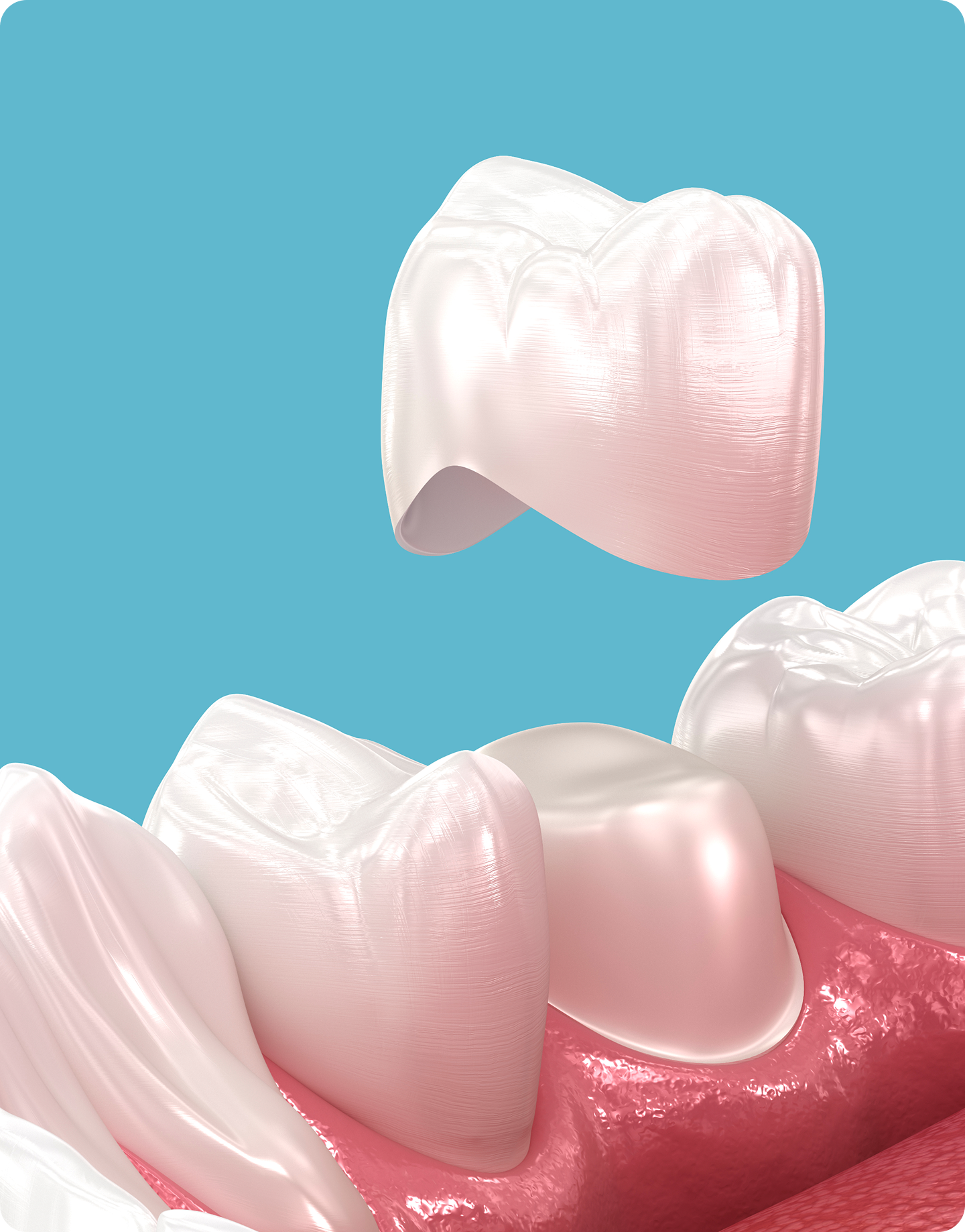
Porcelain crowns are custom-made dental restorations designed to cover and protect damaged or decayed teeth. Made from high-quality porcelain, these crowns mimic the natural appearance of teeth, providing both strength and aesthetics. They are a vital part of restorative and cosmetic dentistry, offering a durable solution that seamlessly blends with your smile.
Why choose porcelain crowns?
Porcelain crowns offer several advantages, making them a preferred choice for many patients:
Natural appearance
Porcelain closely resembles the color and translucency of natural teeth, making it ideal for front teeth restorations.
Durability
With proper care, porcelain crowns can last for many years, providing long-term protection and functionality.
Biocompatibility
Porcelain is a biocompatible material, reducing the risk of adverse reactions or allergies.
Stain resistance
Thanks to its non-porous material, porcelain crowns resist staining from coffee, tea, and other foods, helping to maintain a bright, white smile.
The process of getting porcelain crowns
Initial consultation
The journey to getting porcelain crowns begins with a thorough consultation with your Aspen Dental dentist. During this visit, your dentist will evaluate your oral health, discuss your goals, and determine if porcelain crowns are the best option for you.
Tooth preparation
Once you and your dentist decide to proceed with porcelain crowns, the next step is tooth preparation. This involves reshaping the affected tooth to make room for the crown. Your dentist will remove a small amount of enamel to ensure a proper fit.
Impressions
After tooth preparation, your dentist will take impressions of your teeth. These impressions are sent to a dental lab, where skilled technicians will create your custom porcelain crown. The precise fit and color of the crown are essential for a natural look and comfortable fit.
Temporary crown
While your permanent crown is being made, your dentist will place a temporary crown over the prepared tooth. This temporary crown protects the tooth and maintains its function until the permanent crown is ready.
Fitting the permanent crown
When your porcelain crown is ready, your dentist will remove the temporary crown and fit the permanent one. They will check the fit, color, and bite, making any necessary adjustments to ensure comfort and functionality, ensuring the crown is permanently bonded to your tooth.
Benefits of porcelain crowns
Porcelain crowns offer numerous benefits that make them a preferred choice for many patients. These benefits include:
Aesthetic appeal
Porcelain crowns provide a natural appearance, enhancing your smile's overall aesthetics.
Strength and durability
Porcelain is a strong material that can withstand the forces of chewing and biting, making it a reliable option for tooth restoration.
Improved functionality
Crowns restore the function of damaged teeth, allowing you to eat, speak, and smile with confidence.
Preservation of tooth structure
By covering and protecting the remaining tooth structure, porcelain crowns help prevent further decay or damage.
Are porcelain crowns right for me?
Ultimately, the decision of which crown will be given to you is determined by your Aspen Dental dentist. They will walk you through the process, along with discussing which options would work best for you. With that being said, you might be a candidate for porcelain crowns if you have:
Severely decayed or damaged teeth.
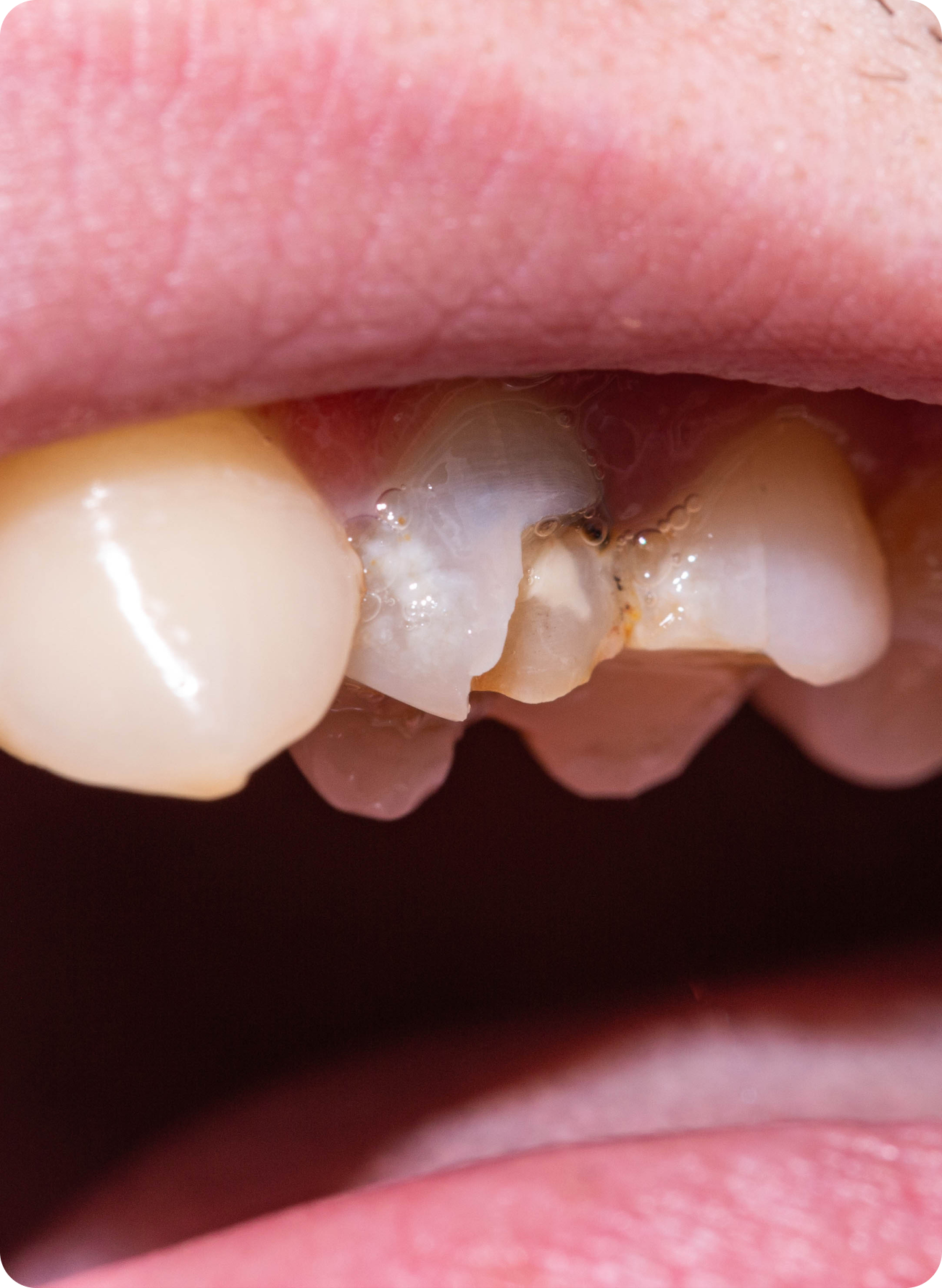
Cracked or broken teeth.
Teeth worn down from grinding (bruxism).
Discolored or misshapen teeth.
Teeth with large fillings that compromise their structure.
Porcelain crowns vs. other types of dental crowns
Here's a quick comparison to help you understand the differences between crowns:
Porcelain crowns
Aesthetic appearance: Preferred for front teeth due to their natural translucency and color-matching capabilities.
Durability: May not be as strong as zirconia crowns or PFM crowns in certain situations.
Biocompatibility: Materials are biocompatible, reducing the risk of allergic reactions or adverse effects.
Zirconia crowns
Aesthetic appearance: Zirconia crowns offer exceptional aesthetic appeal due to their natural tooth-like translucency and color.
Durability: Known for their exceptional strength and durability, making them ideal for molars and areas with high biting forces.
Biocompatibility: Materials are biocompatible, reducing the risk of allergic reactions or adverse effects.
Metal crowns
Aesthetic appearance: Do not blend well with natural teeth due to their metallic color.
Durability: Extremely durable and can withstand significant biting forces.
Biocompatibility: May cause allergic reactions or sensitivities in some patients due to their metallic composition.
Porcelain-fused-to-metal crowns
Aesthetic appearance: Metal base may create a dark line at the gum line, which can be unappealing.
Durability: Offers a balance between strength and aesthetics, making them suitable for both front and back teeth.
Biocompatibility: Generally well-tolerated but can cause reactions in sensitive individuals.
Risks and considerations
While porcelain crowns offer many benefits, there are some risks and considerations to keep in mind:
Sensitivity
Some patients may experience temporary sensitivity to hot and cold after getting a crown.
Chipping
Although porcelain is durable, it can chip or crack under excessive force. Avoid chewing on hard objects like ice or pens.
Wear on opposing teeth
Porcelain can cause wear on opposing teeth if the patient is prone to bruxism. Your dentist will ensure a precise fit to minimize this risk.
Maintenance and care
Maintaining your porcelain crowns involves regular dental hygiene practices and routine dental visits. Here are some tips for caring for your crowns:
Brush and floss regularly
Maintain good oral hygiene by brushing twice a day and flossing daily to keep your gums and teeth healthy.
Regular dental check-ups
Visit your Aspen Dental dentist regularly for check-ups and cleanings to ensure your crowns remain in good condition.
Avoid hard foods
To prevent chipping or cracking, avoid chewing on hard foods or objects.
Use a night guard
If you grind your teeth at night, consider using a night guard to protect your teeth from excessive wear.
Porcelain crowns FAQs
How long do porcelain crowns last?
With proper care, porcelain crowns can last between 10 to 15 years or even longer. Regular dental check-ups and good oral hygiene practices are essential for extending the lifespan of your crowns.
Can porcelain crowns stain?
Porcelain crowns are resistant to staining, but they can still be affected by certain foods and drinks over time. Maintaining good oral hygiene and avoiding excessive consumption of staining substances can help keep your crowns looking their best.
Is the procedure for getting porcelain crowns painful?
The procedure for getting porcelain crowns typically involves pain management treatment to minimize discomfort. Some patients may experience mild sensitivity after the procedure, but this usually subsides within a few days.
Can I get a porcelain crown if I have a metal allergy?
Porcelain crowns are an excellent option for patients with metal allergies, as they are made entirely of ceramic material. Your dentist can help you determine the best crown material for your needs.
How much do porcelain crowns cost?
Ultimately the cost of your crown depends on the material used, however, on average, patients pay $1,769¹ for crowns. Consult with your local Aspen Dental care team for pricing and details.
¹Price displayed is average price paid by patients nationwide for selected service.