Last updated 03.06.2026
Oil pulling for teeth: can it reverse cavities?
Can oil pulling cure cavities? We separate fact from fiction and explain why you still need your Aspen Dental provider.

Interest in oil pulling for teeth has grown as more people look for natural ways to care for their smiles. But can swishing oil actually replace a visit to the dentist for tooth decay? And can you reverse cavities naturally?
It’s a fair question. A lot of wellness trends promise simple fixes. But when it comes to tooth decay, it’s important to separate facts from fiction.
Read on to learn more.
Oil pulling: what is it?
Oil pulling is an older practice that involves swishing oil in your mouth for 10-20 minutes, then spitting it out. Coconut, sesame and sunflower oil are some of the most common options.
Supporters of oil pulling for teeth say it may help reduce bacteria, freshen breath and support oral health. The idea is that the oil binds to bacteria and debris in the mouth so they can be removed when you spit it out.
That sounds simple enough. But it’s important to understand where oil pulling may fit in and where it falls short.
Oil pulling benefits: what does research say?
Some small studies suggest oil pulling benefits may include modest reductions in plaque and certain bacteria1 when it’s used along with brushing and flossing.
But that does not make it a replacement for proven dental care. The American Dental Association has said there is not enough scientific evidence2 to recommend oil pulling as a dental hygiene practice.
So, while oil pulling teeth may be a personal choice for some people, it should not replace brushing twice a day with fluoride toothpaste, flossing daily and seeing your Aspen Dental care team regularly.
1Source : Effect of coconut oil in plaque related gingivitis — A preliminary report published in National Library of Medicine. Next line 2Source : ADANews article 'Oil pulling: Do dentists think it’s worth trying?'
Can you reverse a cavity with oil pulling?
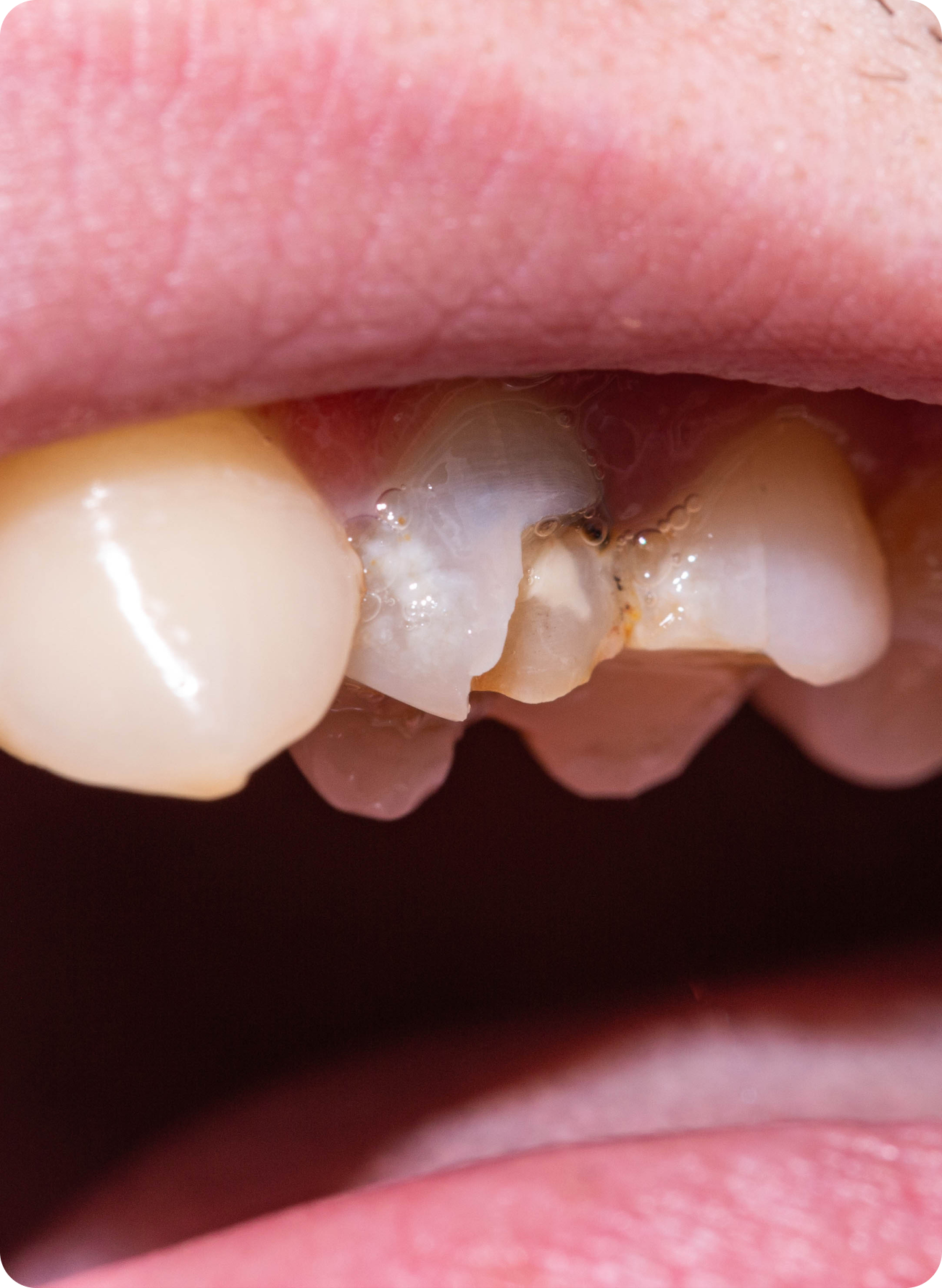
Once a cavity has formed and enamel has broken down, oil pulling cannot rebuild that lost tooth structure.
That’s the key distinction. Very early enamel weakening is different from a true cavity. In the earliest stage of decay, before a hole forms in the tooth, it may be possible to help remineralize teeth. Fluoride, strong oral hygiene habits and diet changes can all support that process.
But oil pulling alone has not been shown to reverse tooth decay. Once decay becomes a real cavity, it needs professional treatment.
Aspen Dental offers same-day appointments at more than 1,100 locations, so it can be easier to get care before the problem gets worse.
Heal cavities at home: fact or myth?
It’s a myth.
Tooth decay is a bacterial process that gradually breaks down enamel and can keep moving deeper into the tooth over time. Once a cavity forms, it does not heal on its own.
There is no home remedy that can remove established decay. Waiting too long can allow the cavity to grow, which may lead to pain, infection or more involved treatment.
That’s why early care matters. In many cases, seeing your Aspen Dental provider sooner can mean a simple filling instead of more complex treatment later.
How to remineralize teeth safely
If your goal is prevention, there are proven ways to support enamel health.
To help remineralize teeth and lower your risk of cavities, brush twice a day with fluoride toothpaste and floss every day. Fluoride plays an important role in strengthening enamel and slowing early decay. Unlike oil pulling, fluoride is backed by decades of research.
It also helps to cut back on sugary snacks and drinks and drink water throughout the day. And regular dental checkups can help catch changes early, before they turn into bigger problems.
Oil pulling for teeth: can it fit into your routine?
If you enjoy oil pulling as part of your wellness routine, it may be safe when done properly and not swallowed. But it should not replace brushing, flossing or professional dental care.
Oil pulling does not remove hardened tartar. It does not treat infection. And it does not fix tooth decay once a cavity has formed.
The strongest routine is still the simplest one: good daily habits at home plus regular care from your care team at Aspen Dental.
When to see a dentist for tooth decay
If you notice lingering sensitivity, pain when biting, visible holes, dark spots on a tooth, swelling or gum tenderness, it’s time to schedule a visit at your local Aspen Dental office.
These can be signs of active decay that needs treatment. And in general, the sooner you get care, the simpler treatment may be.
Contact your Aspen Dental office to make an appointment.
FAQs: Oil pulling for teeth
What is oil pulling and how does it work?
Oil pulling is the practice of swishing oil in your mouth for 10-20 minutes before spitting it out. People who use oil pulling for teeth believe the oil helps bind to bacteria and debris so they can be removed from the mouth.
It may be part of a personal wellness routine, but it should be treated as a supplement to brushing, flossing and regular dental visits, not a replacement.
Are there proven oil pulling benefits?
Some small studies suggest oil pulling benefits may include modest reductions in plaque and certain bacteria when it is combined with a strong oral hygiene routine.
Still, major dental organizations say there is not enough strong scientific evidence to support oil pulling teeth as a primary dental care method. It should not replace fluoride toothpaste, flossing or professional cleanings.
Can you reverse a cavity with oil pulling?
No. Once enamel has broken down and a hole has formed in the tooth, oil pulling cannot rebuild that lost structure.
Very early enamel weakening may sometimes improve with fluoride and better oral hygiene. But an established cavity requires treatment from a dentist for tooth decay.
How can I get rid of cavities without going to the dentist?
Unfortunately, you can’t remove an established cavity at home. Once decay is there, it needs professional treatment.
Delaying care can allow the cavity to get worse, which may lead to pain, infection or more extensive dental work.
How to heal cavities in 2 days at home—is that possible?
No. Cavities do not heal in two days.
Tooth decay is a progressive process. Once a cavity forms, it requires professional care. Catching it early often means simpler treatment.
Can you reverse cavities naturally at the earliest stage?
Sometimes, yes. But only at the earliest stage, before a hole forms in the tooth.
That stage is known as demineralization. In some cases, enamel can be strengthened through remineralization with fluoride toothpaste, strong oral hygiene habits and lower sugar intake.
Is oil pulling for teeth safe?
For most people, oil pulling is generally safe when done properly and not swallowed.
But it should not replace brushing, flossing or routine dental visits for tooth decay screening and prevention.
When should I see a dentist for tooth decay?
Schedule a visit at your nearest Aspen Dental office if you notice lingering sensitivity, pain when biting, visible dark spots, swelling or gum tenderness.
These symptoms may point to active decay that needs professional evaluation. Early treatment can help prevent more serious problems.
can help prevent more serious problems.
Can oil pulling replace regular dental visits?
No. Oil pulling teeth may be part of a personal wellness routine, but it does not remove tartar, treat infection or repair cavities.
Regular dental checkups are still essential for preventing and treating tooth decay.
Oil pulling, tooth decay and cavities
Current evidence does not support oil pulling as a way to reverse cavities or replace proven dental care. When it comes to tooth decay, the most reliable next step is early evaluation and treatment from your Aspen Dental care team.
Preventive habits matter. Getting care early matters too.
Schedule an appointment at your nearest Aspen Dental location today.