Last updated 02.26.2026
Gum disease
Understand gum disease symptoms, causes, prevention tips, and treatment options to help protect your smile.
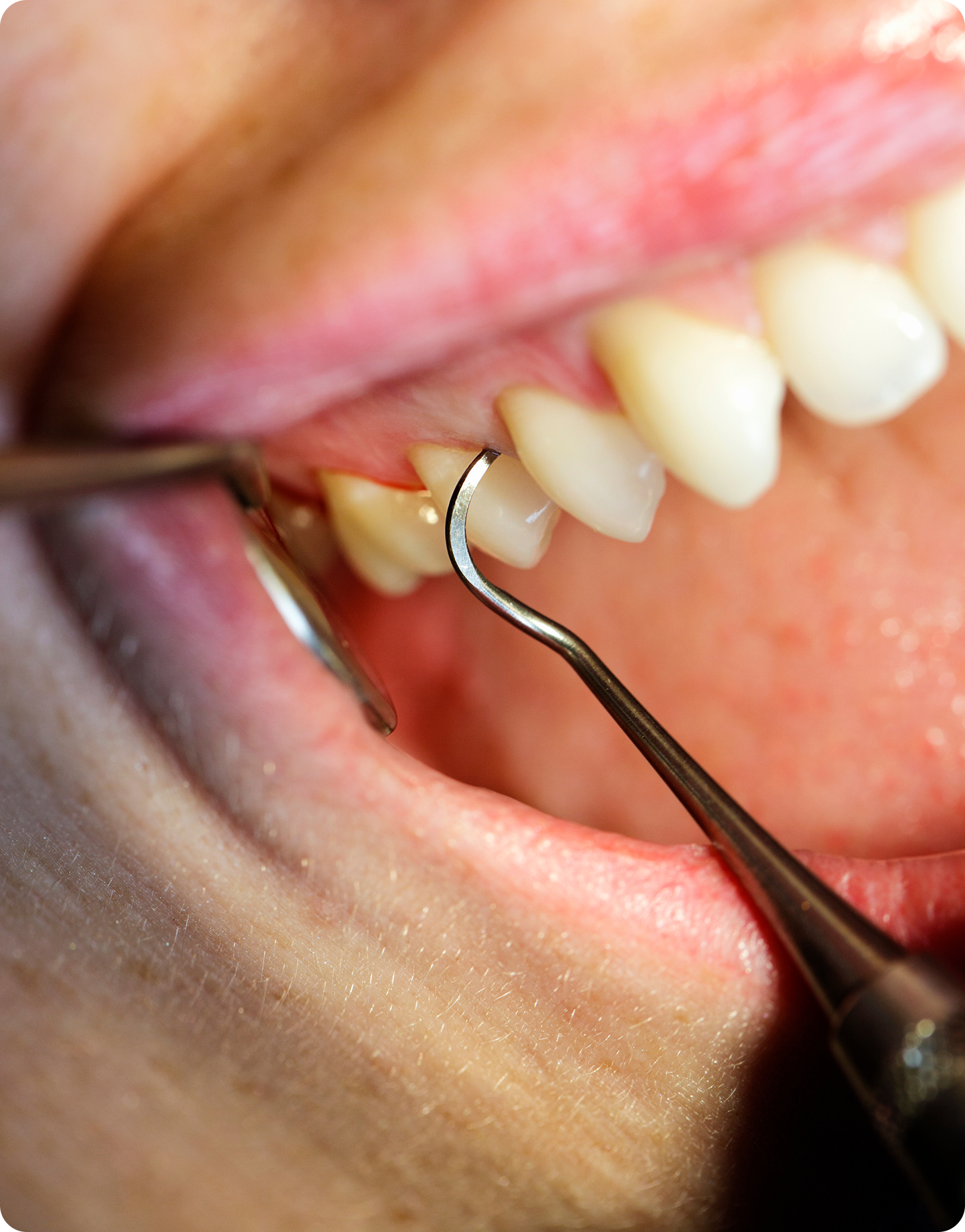
When we aren’t brushing and flossing like we should, plaque (that sticky film of bacteria that coats our teeth) begins to harden into tartar, pushing our gums away from our teeth and allowing bacteria to get inside where it can cause some serious damage. Your Aspen Dental care team can help.
How does gum disease start?
Gum disease starts with a build up of plaque near the gum line of your teeth. It’s a fairly common issue that affects nearly half (47.2%) of all adults over age 30.¹ Whether you have early symptoms of gingivitis or are experiencing the more advanced stages of periodontal disease, we can help guide you through the various stages of gum disease.
¹Source: Center for Disease Control (CDC)
Gum disease symptoms
Look for these common symptoms of gum disease when assessing your own oral health:
Red or swollen gums
Seeing red when you open your mouth? This could be a sign of inflammation.
Bleeding gums
If this happens when you brush or floss, you could have gum disease.
Tender or sensitive gums
You experience discomfort when touching or applying pressure to your gums.
Bad breath (halitosis)
What stinks? Persistent bad breath that doesn’t improve with hygiene care.
Gum recession
Receding gums mean that your gums are pulling away from your teeth, exposing more of their surface or roots.
Types of gum disease
Gum disease advances in stages—so it’s important to know the difference between them:
Gingivitis
Gingivitis is the first stage of gum disease is caused by plaque buildup and typically happens when you aren’t brushing and flossing enough. You may need a gingivitis scaling to remove the infectious build-up that is causing the inflammation. The good news is that gingivitis can be reversed. If you notice red, swollen or bleeding gums, be more diligent with your oral care routine and schedule a visit to your local Aspen Dental for a professional cleaning.
Periodontal disease
Periodontal disease, also known as periodontitis is the more severe form of gum disease, when the gums and bone begin to pull away from your teeth allowing bacteria to enter and cause infection. This can cause irreversible damage to the bone that holds your teeth in place and eventually lead to tooth loss and other oral health conditions. This stage requires professional intervention.
What causes gum disease?
Know the factors behind your condition:
Poor oral hygiene
Smoking and tobacco use
Genetics
Poor nutrition
Menopause and pregnancy hormones
Diabetes and other autoimmune diseases
Gum disease treatment
It’s important that you see your Aspen Dental care team to receive treatment for gum disease and stop further damage.
They may recommend the following treatment options:
Periodontal dental cleaning
This specialized cleaning goes beyond regular dental cleanings, targeting areas below the gumline where harmful bacteria thrive. This is also known as scaling and root planing.
Antibacterial mouthwashes
Your dentist may recommend adding a prescription mouthwash to your oral hygiene routine to help control bacterial growth and reduce inflammation.
Prescription antibiotics
In some cases, oral or topical antibiotics may be prescribed to target specific bacterial infections and promote the healing of gum tissues.
Maintenance cleaning
Regular dental check-ups are the best way to prevent and fight gum disease. During a dental cleaning, your care team will remove plaque and tartar below the gum line, reducing bacterial growth and promoting gum health.
Gum surgery
For advanced stages of gum disease, surgical interventions may be necessary to repair and regenerate damaged gum and bone tissues.
Gum disease surgery
Gum disease surgery is typically recommended when non-surgical treatments, such as scaling and root planing, do not effectively address the problem. Your Aspen Dental care team will recommend this to eliminate the infection, reduce pocket depth between gums and teeth and regenerate damaged tissues.
Some gum disease surgery options may include:
Flap surgery (pocket reduction surgery)
During flap surgery, the gums are carefully lifted back to expose the tooth roots and underlying bone. The dentist then removes the tartar and plaque, reducing the depth of the gum pockets so the gum tissue can better reattach to the tooth surface.
Bone grafts
In severe cases of gum disease where the supporting bone is significantly damaged, bone grafts may be used. Bone grafting involves placing synthetic or natural bone material in the affected area to stimulate bone regrowth and support the teeth.
Soft tissue grafts
Tissue from the roof of the mouth or a donor source is grafted onto the affected areas to restore gum tissue volume and enhance aesthetics.
Guided tissue regeneration
Often combined with flap surgery or bone grafts. A barrier membrane is placed between the gums and bone to prevent gum tissue from growing into the bone space, allowing bone cells to regenerate and restore lost bone support.
Caring for gum disease at home
Taking care of your gums is crucial for preventing gum disease and keeping your smile happy and healthy. Essential prevention tips:
Brush & floss twice daily
Use antimicrobial mouthwash
Get annual dental check-ups
Avoid tobacco
Skip sugary foods & drinks
Stay hydrated
Watch for gum changes
Gum disease FAQs
Is gum disease curable or reversible?
Gum disease is curable in its early stage, known as gingivitis. Gingivitis is characterized by gum inflammation, redness, and bleeding but does not cause permanent damage to the supporting structures of the teeth. Your Aspen Dental dentist can recommend the best plan of action to help reverse gingivitis.
How do you treat gum disease?
Treating the early stages of gum disease typically involves a combination of professional dental care from your Aspen Dental team and good oral hygiene practices at home.
What does gum disease look like?
Gum disease may appear as red, swollen, and tender gums. Other signs include gums that bleed easily, persistent bad breath, gum recession (gums pulling away from teeth), and in severe cases, loose or shifting teeth.
Can gum disease affect overall health?
Yes, gum disease can affect overall health. Research has shown that gum disease is linked to several systemic health conditions, including cardiovascular disease, diabetes, respiratory infections and complications during pregnancy. The bacteria and inflammation associated with gum disease can enter the bloodstream, potentially contributing to these health issues.
Is gum disease contagious?
No, but the bacteria that causes gum disease can be present in saliva and transmitted from one person to another. The development of gum disease depends on various factors, including oral hygiene practices, genetics and overall health. While the bacteria can be shared, only some people will necessarily develop gum disease.