Last updated 02.26.2026
Gingivitis
Learn the early signs of gingivitis and discover causes, prevention tips, and treatment options for healthy gums.
Gingivitis is the first stage of gum disease. It’s common and happens to nearly half of us at some point in our lives. The good news is that gingivitis can be reversed; think of it as a warning sign that your teeth and gums need attention. Your Aspen Dental care team can help.
What is gingivitis?
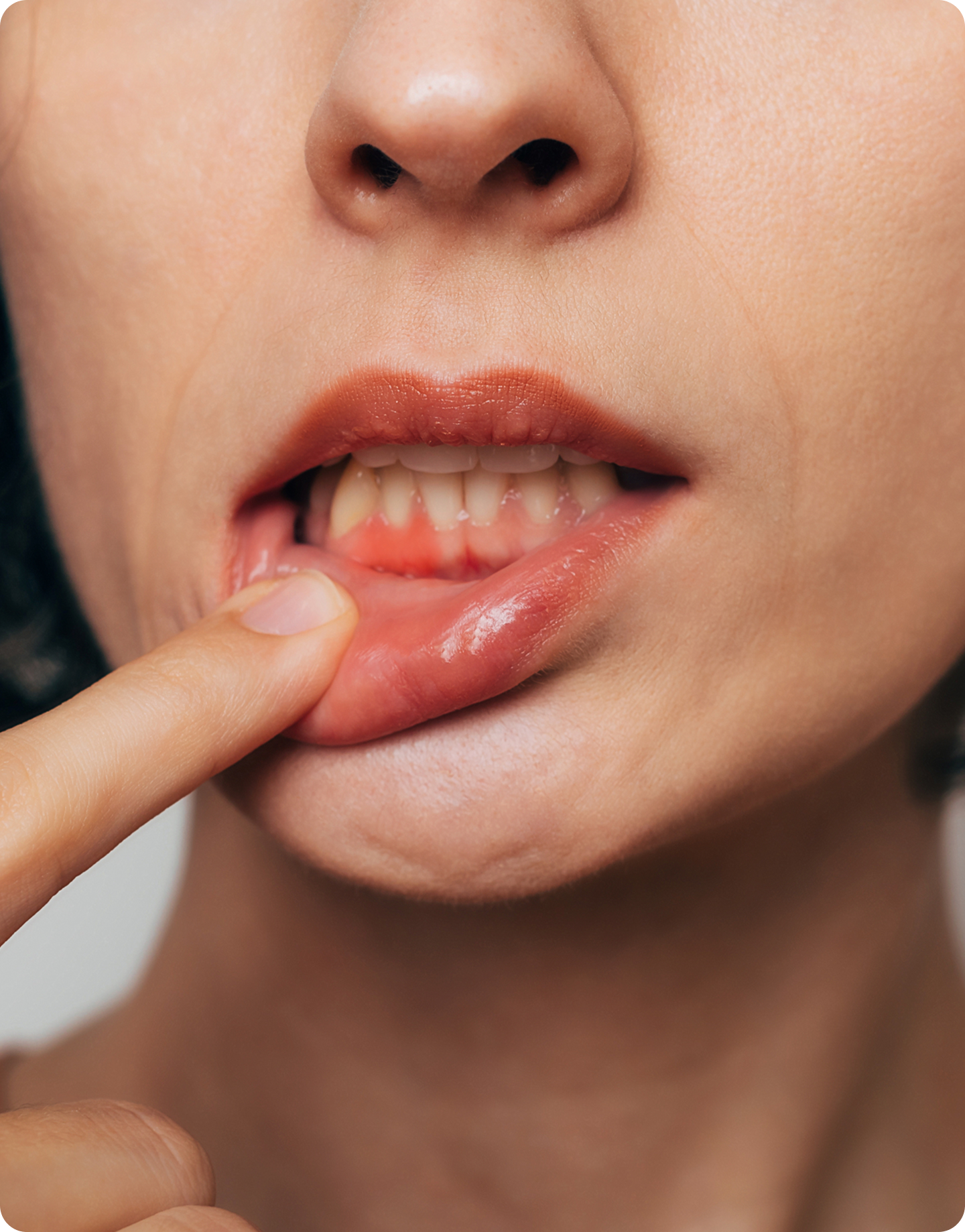
Gingivitis is inflammation of the gums caused by a buildup of plaque (a sticky film of bacteria that coats your teeth). It’s pretty easy to spot, you may notice that your gums are tender, red or swollen and they may bleed when you brush or floss. Taking action at this stage can stop the progression of gum disease. Diligent oral care and a visit to your local Aspen Dental for a professional dental cleaning can help take care of it.
Gingivitis symptoms
Gingivitis is reversible—so the sooner you act, the sooner you can stop it from advancing to full-on periodontal disease. Be on the lookout for these early symptoms:
Swollen, tender and red gums
Bleeding gums during brushing or flossing
Persistent bad breath or an unpleasant taste in the mouth
Gingivitis treatment
Depending on the severity of your gingivitis, your Aspen Dental dentist may recommend the following treatment options:
Improved oral hygiene
Brush your teeth at least twice daily using fluoride toothpaste and a soft-bristle toothbrush. Don't forget to floss daily to remove plaque between teeth and along the gumline.
Professional dental care
Schedule regular visits with your Aspen Dental care team for exams and professional cleanings. Your dentist may recommend gingivitis scaling to remove stubborn tartar.
Gingivitis medication
In some cases, your dentist may prescribe an antimicrobial mouthwash to reduce bacterial growth and inflammation.
Gingivitis self-care
Remember, gingivitis is a warning sign, so listen to your body to stop it from advancing. Follow these simple self-care tips to keep your teeth and gums healthy and maintain a beautiful smile.
Brush along the gum line
Floss
Use a soft-bristled toothbrush
Rinse with antimicrobial mouthwash
Take vitamin C for gum health
Stay hydrated
Avoid tobacco
Visit your Aspen Dental annually
Did you know?
Drinking water boosts your saliva production—which helps wash away bacteria and plaque. This can keep your gums at their healthiest.
Gingivitis FAQs
What causes gingivitis?
Gingivitis is primarily caused by poor oral hygiene. When regular brushing and flossing are neglected, plaque—a sticky film of bacteria—accumulates on the teeth and gums. This buildup irritates the gum tissue, leading to gingivitis. Other factors such as smoking, hormonal changes, stress, certain medications and medical conditions can also contribute to its development.
How to cure gingivitis in a week?
A complete cure in just one week is unlikely—however, the hard deposits need to be professionally removed. You can schedule an appointment with your dentist to discuss treatment for gingivitis. Be diligent about brushing, flossing and using antimicrobial mouthwash daily. A healthy diet rich in vitamins also supports gum health.
What does gingivitis look like?
Symptoms include red, swollen gums that may bleed easily, especially during brushing or flossing. Additionally, you might notice a change in gum color from healthy pink to a reddish-purple hue.
Is gingivitis contagious?
No, gingivitis is not contagious. Gingivitis is caused by the buildup of plaque and tartar, which leads to bacterial growth and gum irritation. You can, however, swap the bacteria responsible for gingivitis through the exchange of saliva, although that won’t necessarily mean the other person will develop gum disease.
Is there any connection between gingivitis and pregnancy?
Yes, during pregnancy, hormonal changes can lead to increased blood flow to the gums, making them more sensitive and prone to inflammation.