Last updated 03.09.2026
Dry socket and wisdom teeth removal
Dry socket causes pain after wisdom teeth extraction. Learn symptoms, treatments, and prevention tips in this guide.

If you’ve recently had a tooth removed and are experiencing increasing discomfort, you may be wondering whether you have a dry socket. It’s a common concern after a tooth extraction, especially following wisdom teeth removal. Understanding dry socket symptoms, causes and treatment options can help you know when to seek care and support proper healing after your procedure.
What is a dry socket?
A dry socket is a condition that can occur after a tooth extraction. After a tooth is removed, a blood clot normally forms in the empty socket. This clot protects the underlying bone and nerves while the area heals.
Dry sockets can develop when that blood clot does not form properly or becomes dislodged too soon. When this happens, the bone and nerves in the socket may become exposed, which can lead to noticeable discomfort.
Dry socket is more commonly associated with wisdom teeth extraction, particularly when lower wisdom teeth are removed.
How do you know if you have a dry socket?
Many patients wonder how they can tell if they have a dry socket or if their symptoms are part of normal healing.
Some soreness is expected after a tooth extraction. However, dry socket symptoms tend to be more intense and may include:
Pain that begins 2–4 days after the extraction
Pain that radiates to the ear, jaw or temple
Bad breath or an unpleasant taste in the mouth
An extraction site that appears empty or different from typical healing
Another common sign is pain that gets worse instead of better after the first few days.
If you notice these symptoms, contacting your Aspen Dental provider can help determine whether a dentist for dry socket treatment is needed.
What does a dry socket look like?
Patients often wonder what a dry socket looks like compared to normal healing.
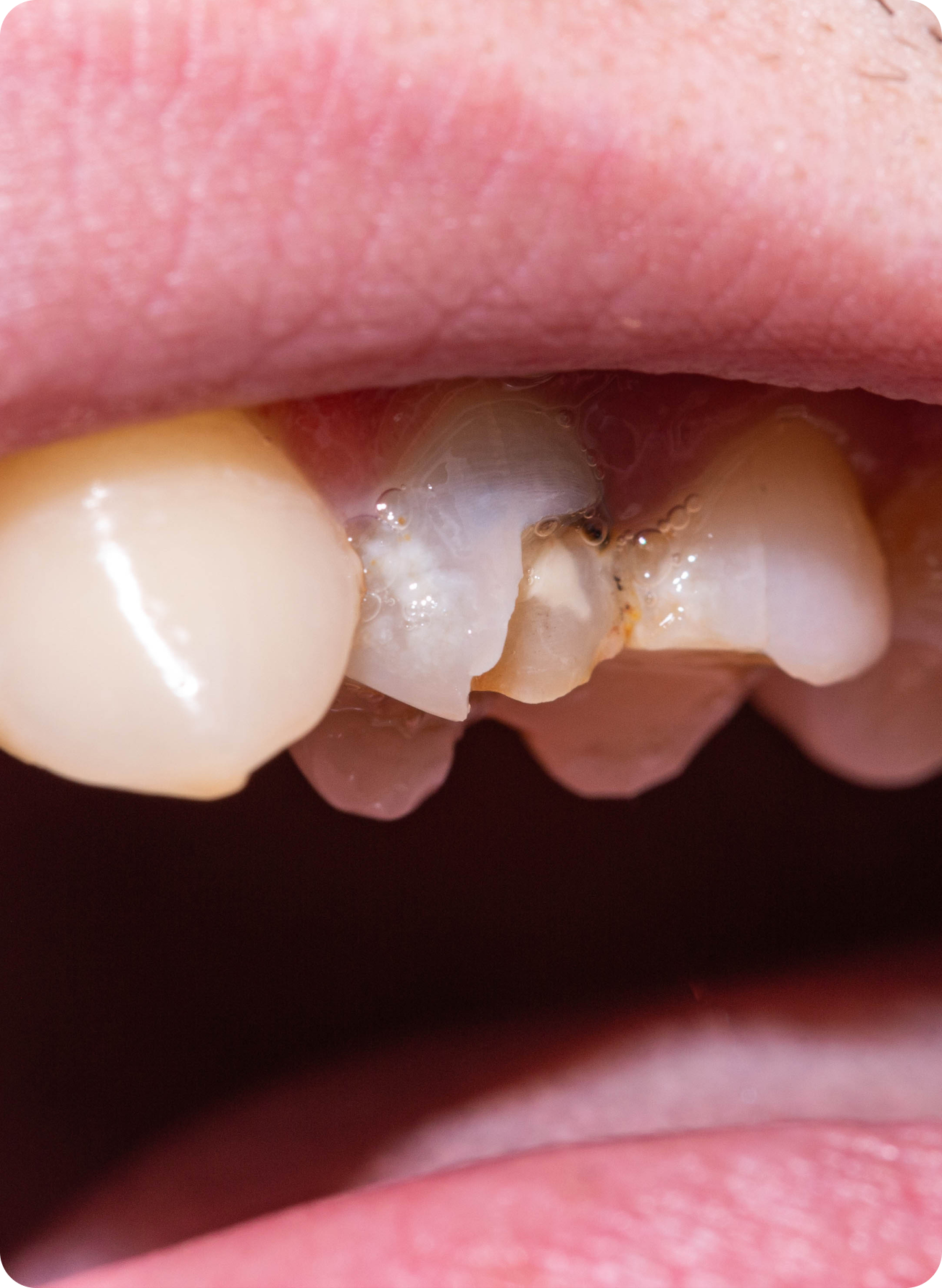
During normal healing, a blood clot fills the socket and appears dark red. With a dry socket, the clot may be missing or partially gone. The socket may look pale or white, and the bone at the base of the socket may be visible.
However, it can be difficult to confirm this on your own. An Aspen Dental provider can evaluate the area and determine whether dry socket treatment is needed.
Dry socket and wisdom teeth
There is a strong connection between wisdom teeth removal and dry sockets. Dry sockets occur more often after wisdom teeth extraction, especially with lower wisdom teeth.
This can happen because wisdom teeth are sometimes larger or more complex to remove.
Common risk factors for dry sockets and wisdom teeth extraction include:
Smoking or vaping
Using a straw soon after surgery
Rinsing vigorously within the first 24 hours
Hormonal factors
Difficult or traumatic extractions
If you have recently had your wisdom teeth pulled, following your provider’s aftercare instructions closely can help reduce the risk of dry socket.
Dry socket treatment at Aspen Dental
If a dry socket develops, professional care can help reduce discomfort and support healing.
Dry socket treatment may include:
Gently cleaning the socket
Placing a medicated dressing to soothe the area
Recommending pain management options
Providing detailed aftercare instructions
The medicated dressing may be replaced every few days until symptoms improve. Many patients notice relief soon after treatment begins.
Seeing your Aspen Dental provider promptly can help shorten the duration of dry socket symptoms and support healing.
How long do dry sockets last?
Without treatment, dry socket pain may last several days or longer. With proper treatment, many patients experience relief within 24–48 hours.
Healing continues over the following weeks as new tissue forms inside the socket.
If pain continues to worsen or spreads beyond the extraction site, contact your Aspen Dental provider for evaluation.
Preventing dry sockets after wisdom teeth extraction
After wisdom teeth extraction, protecting the blood clot is important for proper healing.
Your Aspen Dental care team may recommend:
Avoiding straws for several days
Not smoking or vaping during early healing
Waiting at least 24 hours before rinsing your mouth
Eating soft foods during the early healing period
Following all post-operative instructions carefully
These steps help support healing and reduce the likelihood of dry socket after wisdom teeth removal.
When to call your Aspen Dental provider
Contact your Aspen Dental office if you experience:
Severe pain several days after extraction
Pain that radiates to your ear or jaw
Persistent bad taste or odor
Concerns about what your dry socket may look like
Your care team can examine the area and determine whether dry socket treatment is needed.
Dry socket FAQs
What does dry socket pain feel like compared to normal healing?
Dry socket pain is often described as severe, throbbing discomfort that can radiate to the ear or jaw. Normal healing pain is typically milder and gradually improves each day.
After a tooth extraction, typical soreness improves within 2–3 days. With a dry socket, pain often begins 2–4 days after the procedure and may intensify instead of improving.
How many days after a tooth extraction can you get a dry socket?
A dry socket most commonly develops 2–4 days after a tooth extraction, especially after wisdom teeth removal.
The highest risk period is during the first week of healing, when the protective blood clot may become dislodged.
Does dental insurance cover dry socket treatment?
Many dental insurance plans cover part of dry socket treatment, though coverage varies. Your Aspen Dental team can help verify your benefits and explain what your plan may cover.
How long does it take for a dry socket to heal?
With treatment, dry socket symptoms often improve within 24–48 hours, though full healing may take several weeks.
Treatment typically involves cleaning the socket and placing a medicated dressing to support healing.
How can I tell if I have a dry socket or just a lost blood clot?
If severe pain develops 2–4 days after extraction and worsens instead of improving, it may indicate a dry socket rather than normal healing.
Other signs include:
Pain spreading beyond the extraction site
A bad taste or odor
An empty-looking socket
Your Aspen Dental provider can confirm the diagnosis during an exam.
Dry socket after wisdom teeth extraction: the bottom line
A dry socket can be uncomfortable, but it is treatable. If you are unsure whether your symptoms are part of normal healing or something more, it’s important to speak with your provider.
Early evaluation of dry socket after wisdom teeth extraction can help relieve discomfort and support proper healing.
If you’re experiencing symptoms or have concerns about your recovery, schedule an appointment at your nearest Aspen Dental location.