Last updated 03.06.2026
What to do if you have a chipped crown
Chipped crown? Learn immediate steps, repair vs. replacement options, and cost factors in this guide.
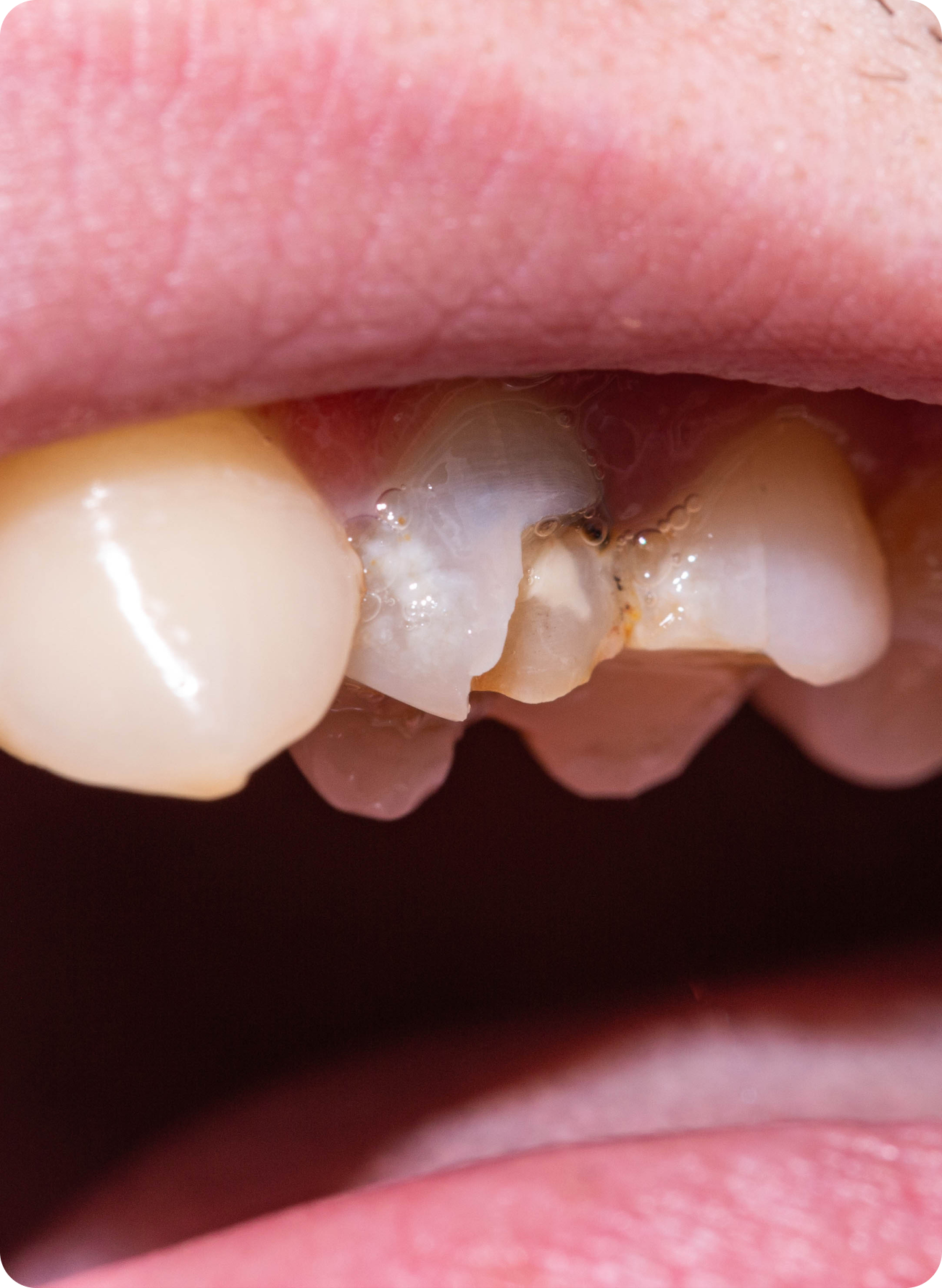
A chipped crown can be concerning, but in many cases, it can be treated. Some chips are minor and can be repaired, while larger breaks may require a replacement crown. Having the crown evaluated early helps protect the tooth underneath and can prevent additional damage.
If part of your crown chipped off, it’s helpful to understand the next steps. In many situations, prompt evaluation by your dental provider can determine whether the crown can be repaired or if another solution is needed.
What causes a chipped crown?
Dental crowns are designed to be durable, but they can still chip under certain conditions. A chipped crown may occur when biting down on something very hard, such as ice, a popcorn kernel or hard candy.
Habits such as grinding or clenching your teeth can also place repeated pressure on a crown over time. This pressure may eventually cause a chip in the crown, especially if the crown has been in place for many years.
The material and age of the crown can also play a role. Porcelain or ceramic crowns blend naturally with your smile but may chip more easily than metal-based restorations. Over time, normal wear and temperature changes from hot and cold foods can create small stress points.
In some cases, a crown may chip if the tooth underneath develops decay or if the bonding material weakens. Regular dental visits allow your provider to monitor the crown and the tooth underneath for early signs of wear.
Can a chipped crown be repaired?
Yes, in many situations a chipped tooth crown can be repaired. Whether repair is possible depends on the size and location of the damage.
Small chips along the edge of a crown can often be smoothed or repaired using tooth-colored composite bonding. This type of repair restores the shape of the crown and removes rough edges that may irritate your tongue or cheek.
If a larger portion of the crown breaks off or the underlying tooth becomes exposed, replacement may be recommended instead of repair. This helps protect the tooth and maintain proper function.
Your Aspen Dental provider will examine the crown, check how it fits and evaluate the health of the tooth underneath before recommending the most appropriate treatment.
How much does it cost to fix a chipped crown?
Many patients ask, how much does it cost to fix a chipped crown? The cost depends on the extent of the damage and whether the crown can be repaired or needs replacement.
Minor repairs using composite bonding are typically less expensive because they require less treatment time. These repairs involve reshaping the chipped area and restoring the crown’s surface.
A crown replacement involves creating a new restoration and may require additional appointments. Costs vary depending on the material used and the location of the tooth.
Aspen Dental provides clear cost estimates before treatment begins so you understand your options. Most insurance plans are accepted, and flexible financing options are available through third-party lenders to help make care more manageable.
Medicaid is not accepted at Aspen Dental offices.
For patients without insurance, the Aspen Dental Savings Plan offers discounted dental care for an annual membership fee.
What should you do immediately after part of your crown chips off?
If part of your crown chipped off, it’s helpful to take a few simple steps.
First, gently rinse your mouth with warm water to clean the area. If the chipped edge feels sharp, temporary dental wax from a pharmacy may help cover the area until your appointment.
Avoid chewing on the affected side of your mouth and choose softer foods until your crown is evaluated. Hard, sticky or crunchy foods could worsen the damage.
Even if you have a chipped crown with no pain, it’s still important to schedule a dental appointment within a few days. Prompt evaluation helps protect the tooth and prevent further complications.
When does a chipped crown require immediate attention?
Most cases of a chipped crown are not emergencies, but certain symptoms may require prompt care.
Contact your Aspen Dental provider if you experience:
Severe pain or increasing infected tooth pain
Significant swelling in your gums or face
A crown that has completely come off
Bleeding that does not stop with gentle pressure
A large break that exposes the tooth underneath
Aspen Dental locations offer same-day emergency appointments when urgent dental care is needed.
How to prevent your crown from chipping
Preventing a chip in a crown often comes down to daily habits and regular dental care.
If you grind or clench your teeth, your provider may recommend a custom nightguard. This appliance helps protect both your natural teeth and dental restorations.
Being mindful when eating can also help. Hard foods like ice, popcorn kernels and hard candy may place stress on crowns. Sticky foods such as caramel may loosen restorations over time.
Avoid using your teeth as tools for opening packages or holding objects.
Regular dental checkups allow your provider to monitor your crown and ensure the tooth underneath remains healthy.
Crown replacement vs crown repair: which do you need?
Your Aspen Dental provider will evaluate several factors when determining whether a chipped crown should be repaired or replaced.
Repair may be recommended when the chip is small, cosmetic or located in a non-critical area of the crown. Composite bonding may restore the shape of the crown and extend its lifespan.
Replacement may be necessary if the crown has significant damage, the structure is weakened or the tooth underneath shows signs of decay. A crown that has been in place for many years may also be nearing the end of its functional lifespan.
Your provider will explain the advantages of each option so you can choose the approach that best supports your oral health and long-term goals.
Chipped tooth crown FAQs
Can I eat normally with a chipped crown?
If you have a chipped crown, it’s best to avoid chewing on that side of your mouth until it is evaluated. Choose softer foods and avoid hard or sticky items that could worsen the damage.
How long can I wait to fix a chipped crown?
It’s recommended to schedule an appointment within a few days, even if you have a chipped crown with no pain. Addressing the issue early can prevent further damage.
Will my chipped crown hurt?
Not always. Many patients notice a chip in a crown before they experience pain. However, discomfort can develop if the underlying tooth becomes exposed or if bacteria enter the damaged area.
Can a chipped crown be fixed in one visit?
Minor repairs using composite bonding can often be completed in a single appointment. Crown replacement may require two visits depending on the type of restoration needed.
What’s the difference between a cracked crown and a chipped crown?
A chipped crown means a visible piece of the crown has broken away. A crack is a fracture line that may not be visible but can weaken the crown over time.
Can I repair my crown with over-the-counter dental cement?
Temporary dental cement may help secure a crown that has fallen off, but it does not repair chips. Professional treatment ensures proper fit, function and protection of the tooth underneath.
When to schedule an appointment
If you notice a chipped tooth crown, scheduling a dental appointment is the best next step. Even small chips can allow bacteria to reach the tooth beneath the crown if left untreated.
Early evaluation helps protect your tooth and allows your provider to determine whether repair or replacement is needed.
Aspen Dental providers will assess the crown, explain your options and create a treatment plan that supports both your oral health and your budget.
If you are concerned about a chipped crown, schedule an appointment at your nearest Aspen Dental location today.