Last updated 07.09.2026
Can antibiotics cure a toothache without seeing a dentist?
Learn why antibiotics may temporarily reduce tooth infection symptoms but cannot eliminate the underlying cause without dental treatment.

No, antibiotics cannot cure a toothache. They can slow a spreading infection and ease soreness temporarily, but they cannot fix what caused the problem in the first place. Without professional dental treatment, the infection will remain — and may come back worse.
What you'll learn in this article:
Antibiotics fight bacteria but cannot remove decay, drain an abscess or repair a cracked tooth — the source of the infection stays untouched
Taking antibiotics without dental treatment usually leads to recurring infections, often more severe than the first
Certain symptoms — jaw swelling, fever, difficulty swallowing — signal the infection may be spreading and treatment should not wait
A saltwater rinse and over-the-counter medications can reduce soreness while you wait, but neither option will stop the infection from progressing
Dental treatment can eliminate the infection by addressing the actual cause, not just the bacteria
If your tooth has been bothering you for more than a day or two, schedule an appointment with your dental provider.
What antibiotics can — and can't — do
Antibiotics can help control a tooth infection by reducing bacteria, easing symptoms and slowing the spread of infection to nearby tissues. In some cases, they're an important part of treatment.
What antibiotics cannot do is eliminate the source of the infection. If bacteria are inside the tooth or trapped in an abscess, the underlying problem still requires treatment from your dental provider.
It's also important to avoid taking antibiotics when they're not needed. Antibiotics require a prescription from a licensed doctor’s and should only be used for the original, intended purpose. Unnecessary use can contribute to antibiotic resistance, making infections harder to treat in the future. Antibiotics can also cause side effects, including stomach upset and, in some cases, allergic reactions.1
Why doesn't the infection go away without dental treatment?
Antibiotics can suppress bacteria for a while, but they can't drain an abscess, fill a cavity or seal a crack. Once you stop taking them, bacteria return through the same opening — and the throbbing starts again, often worse than before. Think of it like a slow leak in your roof. Placing a bucket helps manage the damage, but it doesn't close the hole. Antibiotics are the bucket. Dental treatment closes the hole.
When antibiotics are actually part of treatment
A dental provider may prescribe antibiotics — but always alongside a procedure, not instead of one.
Common situations include:
The infection is spreading into the jaw, face or surrounding bone
There's visible swelling, warmth or a fever accompanying the discomfort
Your immune system is weakened, making it harder to fight infection on its own
The procedure requires multiple visits and the infection needs to be controlled in between appointments
In each of these cases, antibiotics support the treatment. They are not a replacement for the treatment itself.
Symptoms that should not wait
Some signs suggest the infection has moved beyond the tooth and needs prompt attention:
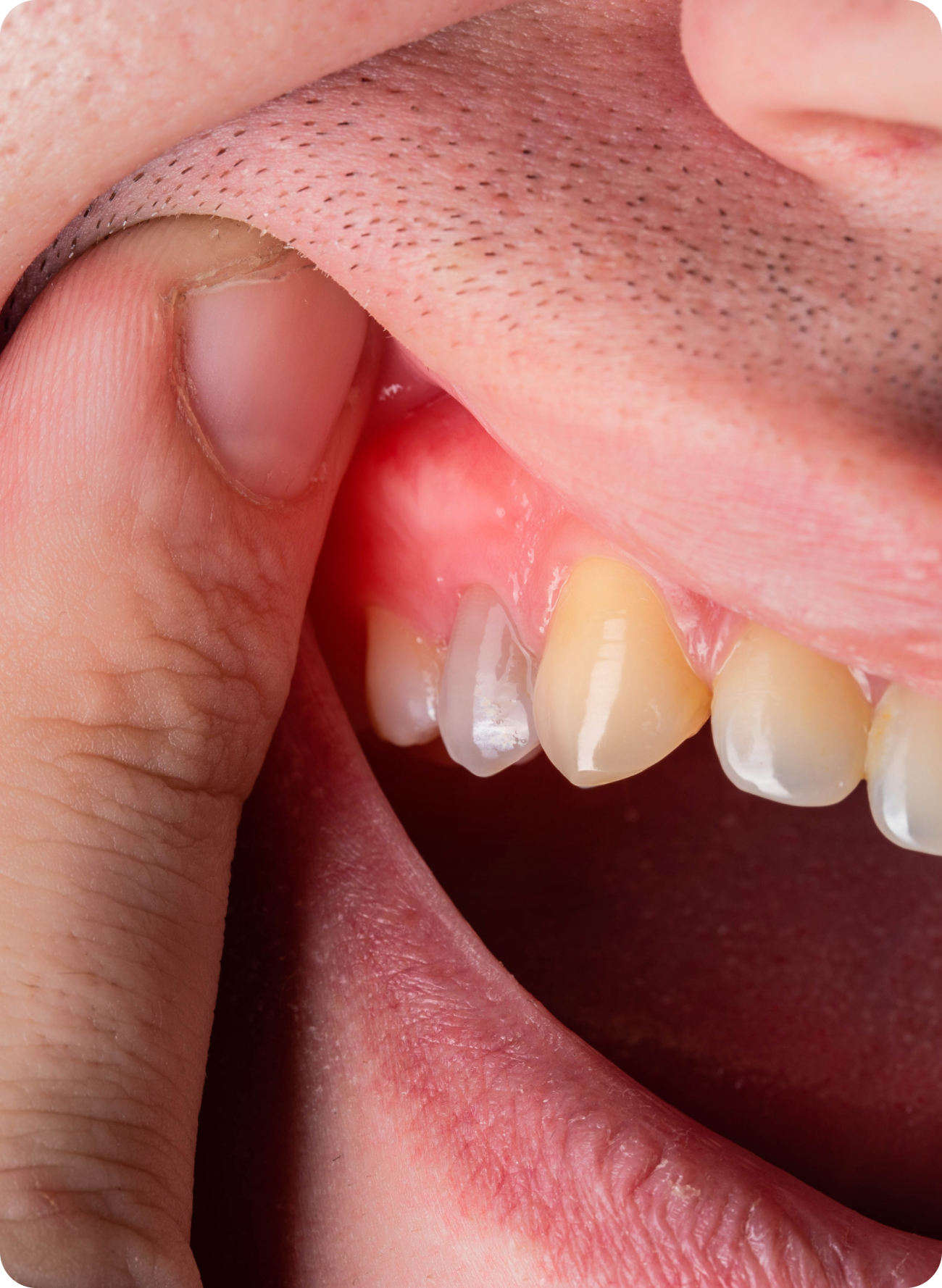
Swelling in your jaw, cheek or neck — especially if it's growing or feels warm
Difficulty swallowing or breathing
Fever
Throbbing that radiates to your ear, jaw or neck
A sudden bad taste in your mouth, which can indicate a ruptured abscess
According to Cleveland Clinic, a dental abscess will not heal on its own and can spread to surrounding tissues — including the jaw, neck or head — if left untreated.2 If any of these symptoms apply to you, see your dental provider today.
What can help at home while you wait
These steps can ease discomfort temporarily while you arrange your appointment:
Over-the-counter medication: Ibuprofen or acetaminophen can reduce swelling and ease aching. Follow the label instructions carefully.
Saltwater rinse: Dissolve ½ teaspoon of salt in 8 ounces of warm water and rinse gently for 30 seconds to help cleanse around the affected area.
Avoid the sore side: Stay away from hot, cold or crunchy foods on the affected side of your mouth.
Sleep with your head elevated: Lying flat can increase pressure and throbbing. Propping your head up may help at night.
These are comfort measures, not a cure. The infection is still present and will not resolve without treatment. That is where your dental provider comes in.
When to see your dental provider
If tooth discomfort has lasted more than one to two days, something is wrong that needs to be evaluated. Dental infections do not go away on their own — they tend to grow, spread and become harder to treat over time.
Schedule an appointment with your Aspen Dental provider as soon as possible.
Can antibiotics cure a toothache without seeing a dentist? FAQs
Can I get antibiotics without an in-person evaluation?
In most cases, no. Getting antibiotics requires an evaluation to understand what type of infection you have and how serious it is. Some telehealth services can prescribe them remotely, but without examining the tooth, no one can identify or treat the actual cause.
How long does it take antibiotics to work on a tooth infection?
Most patients notice some improvement within 24–48 hours of starting antibiotics. A full course typically runs 7–10 days. However, improvement in symptoms does not mean the infection is gone; it means bacterial activity has decreased. The source of the pain still needs to be treated.
Can tooth discomfort go away on its own?
Sometimes soreness eases temporarily: for example, if a small abscess ruptures on its own. But this does not mean the infection has resolved. The underlying cause is still there, and the infection can return or worsen without dental treatment.
Can I go to the emergency room for a tooth infection?
Yes, and in some cases, you should. If you have significant facial swelling, difficulty breathing or swallowing, or a fever that won't come down, go to the emergency room. ER providers can manage a spreading infection and help stabilize you, but they cannot treat the tooth itself. You will still need to follow up with your dental provider once the immediate issue is under control.
Is there an antibiotic that works better than others for tooth infections?
It depends on the type of infection, the bacteria involved, your medical history and any allergies. Amoxicillin is commonly prescribed as a first option. Only a dental provider who has evaluated your specific situation can determine what specific antibiotic is appropriate for you.
Sources
1Timmerman A, Parashos P. Management of dental pain in primary care. Australian Prescriber. 2020 Apr;43(2):39–44. https://pmc.ncbi.nlm.nih.gov/articles/PMC7186276/
2Cleveland Clinic. Abscessed Tooth. Updated January 22, 2026. https://my.clevelandclinic.org/health/diseases/10943-abscessed-tooth